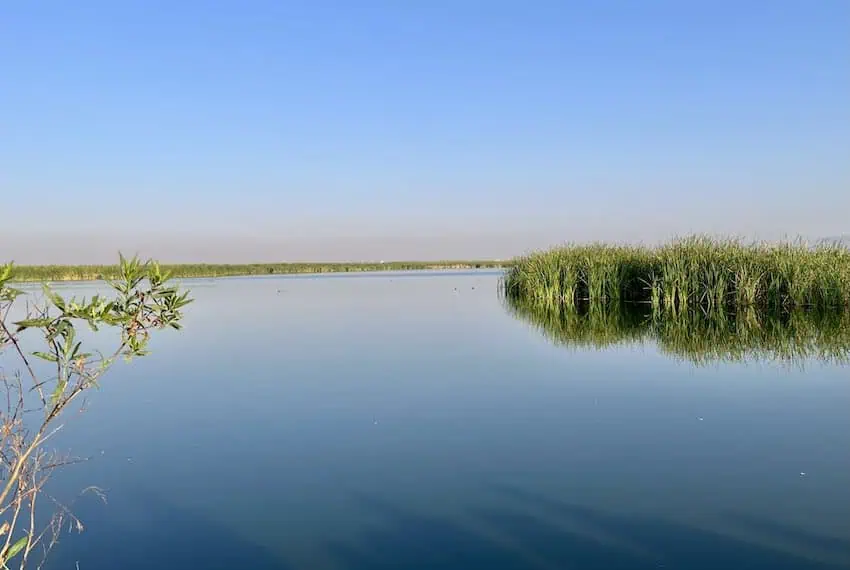
The Natural Resources Protection Area (NRPA) of Lake Texcoco in México state has been designated an Ecohydrology Demonstration Site by UNESCO, the first of its kind in Mexico.
Environment Minister Alicia Bárcena and UNESCO’s representative in Mexico Andrés Morales Arciniegas made the announcement during a visit to the Texcoco Ecological Park marking World Wetlands Day on Feb. 2.
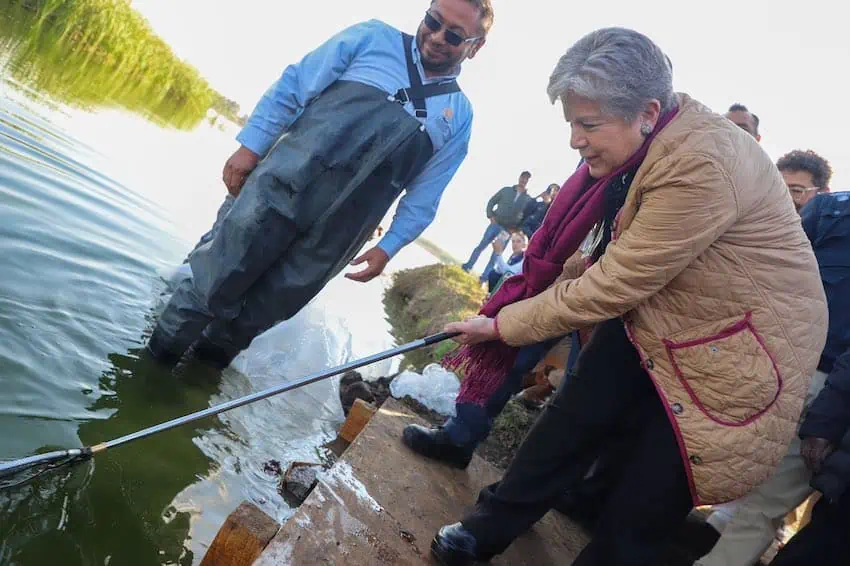
The designation recognizes natural sites globally where sustainable activities are underway to support ecological recovery.
“Our great crusade at the Environment Ministry (Semarnat) is the recovery of wetlands and the recovery of mangroves, these are the two ecosystems that we think are very important to protect, to restore, because they are places where life, species, mangroves [thrive],” said Bárcena in a speech.
Lake Texcoco, federally designated a Natural Protected Area in 2022, is home to over 250 species of flora, 370 species of fauna and 10 species of fungi and mosses, including some that are categorized as under threat by the International Union for Conservation of Nature (IUCN).
According to Morales, Semarnat has recovered 1,900 hectares of land and 4,000 hectares of water bodies, accounting for nearly 90% of the surrounding Texcoco Ecological Park.
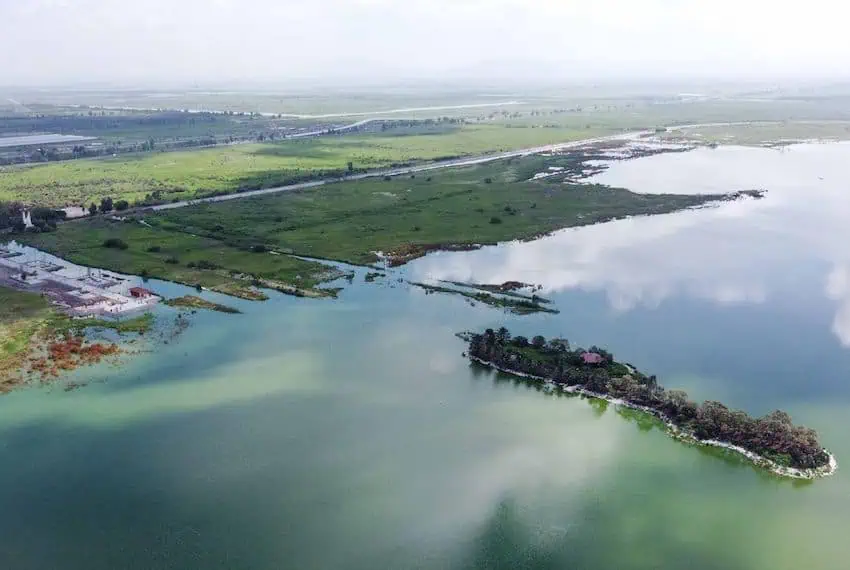
Stretching across 14,030 hectares — 10,000 of which are lakebed, the Texcoco Ecological Park opened in August 2024. The land was initially designated for Mexico City’s New International Airport (NAICM) until former president López Obrador canceled the project in late 2018. The project to convert the natural area into an ecological park started in 2021.

Some measures implemented at Lake Texcoco have been the treatment of water using wetlands, knowledge generation about the availability of water resources and actions to revitalize the lake’s historical and cultural heritage as the largest natural lake in the Valley of Mexico.
In addition, Lake Texcoco was recognized by UNESCO for its ongoing work to strike “a balance between the potential of the ecosystem and social needs.”
During her speech, Bárcena stressed the importance of collaboration between the Valley of Mexico’s communities and the government to improve water quality, biodiversity and ecosystems, as well as mitigate the impacts of climate change.
An attending representative from the Peoples’ Front in Defense of the Earth group said his organization plans to work alongside the government to preserve the area and promote trade and the well-being of nearby communities.
The communities “have done a lot for this struggle to preserve the wetlands from excessive urbanization and to protect this place from that really senseless project by the NAICM, which they wanted to build here. (…) I believe that it is time for the water to return to its origin and that is why we have a vision that wants to combat this extractivist and predatory vision,” said Bárcena.
According to UNESCO, 64% of the world’s wetlands have already disappeared. Lake Texcoco will join 63 other Ecohydrology Demonstration Sites around the world that are working to restore wetlands.
With reports from El Universal