Lower tax rates will apply in Mexico’s northern and southern border regions until the end of 2024, President López Obrador announced Friday.
A northern border free zone where the IVA value-added tax is 8% instead of 16%, the maximum income tax rate is 20% instead of 30% and the minimum wage is 50% higher than the rest of the country was established by the federal government on January 1, 2019. The zone was initially created for a period of two years but will now remain in place for four more.
“We started this program in 2019 at the start of the government and it has yielded very good results – it’s extended,” López Obrador told reporters at his regular news conference.
The president announced that tax breaks and a higher minimum salary rate will also apply in the southern border region effective January 1.
“Two decrees will be signed. One to extend the tax support on the northern border … with the United States. The other very important announcement is that similar treatment will apply … on the southern border,” benefiting Chiapas, Tabasco, Campeche and Quintana Roo.
Fuel will also be cheaper on the northern and southern borders because it won’t be subject to the same taxes that apply elsewhere in the country.
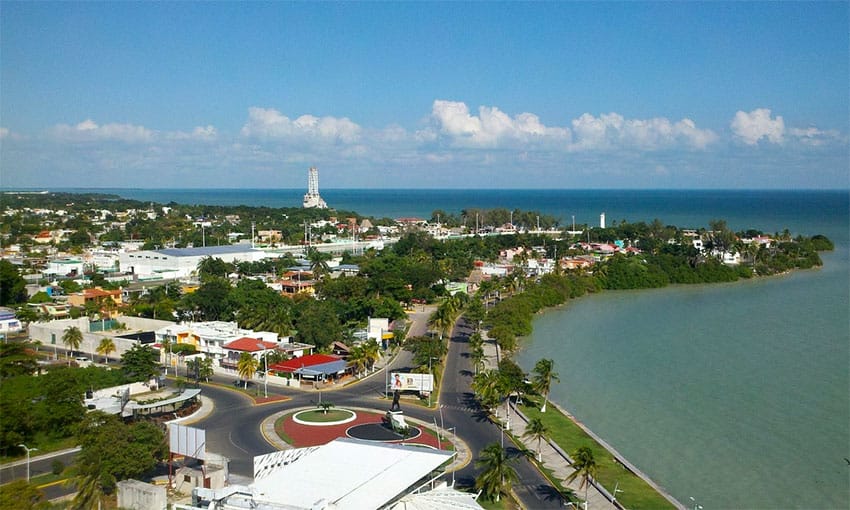
In addition, López Obrador announced the creation of an additional special economic zone in Chetumal, the capital of Quintana Roo, located just north of the border with Belize.

“There is something very important that I believe will make the people of Quintana Roo, in particular those in Chetumal, and the residents of the southeast in general very happy. Chetumal will once again be a free economic zone, free of import duties for countries with which we don’t have trade agreements,” he said.
“Tax on imports won’t be charged. Goods at very low prices will be able to arrive in Chetumal, like before the changes at the start of the neoliberal period.”
Finance Minister Arturo Herrera noted that Chetumal was located in its own special economic zone from 1934 until the introduction of the North American Free Trade Agreement in 1994.
“That was the status it maintained until 1993 but when NAFTA came into force [the special economic zone] stopped operating,” he said.
Source: Reforma (sp)