Mexico’s narco-tunnels pioneer has been behind bars since he was captured for a third time in 2016, but his clandestine cross-border construction legacy lives on.
The army has discovered 14 tunnels on Mexico’s northern border since former Sinaloa Cartel leader Joaquín “El Chapo” Guzmán was taken into custody in Los Mochis, Sinaloa, in January 2016. The National Defense Ministry told the newspaper Milenio that six of the tunnels were found in Tijuana, Baja California, including one that measured a lengthy 1.3 kilometers.
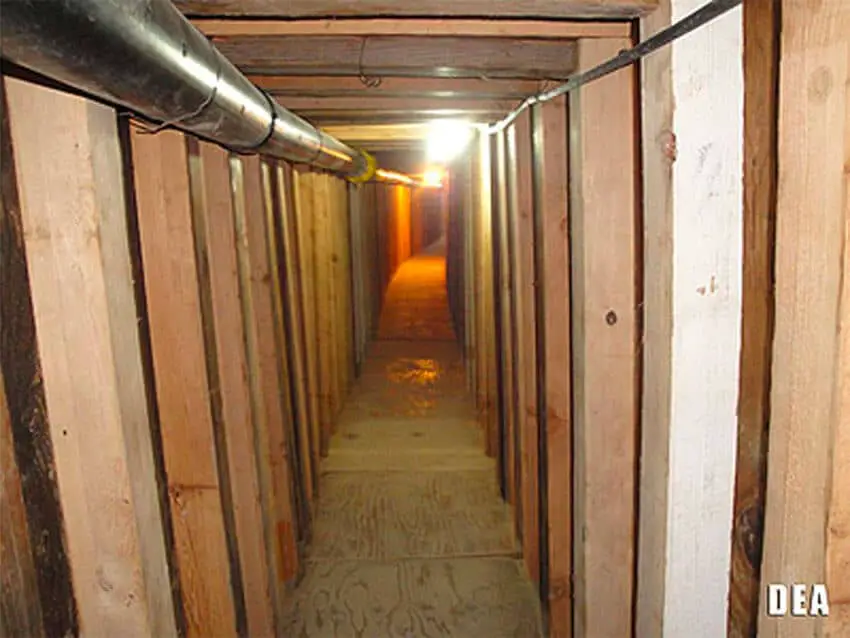
The two most recently discovered tunnels, both of which are in Tijuana, were built in the “Chapo style,” according to a report by Milenio. One was located on a supposedly abandoned parcel of land in the Nueva Tijuana neighborhood in May, while the other was found just 50 meters away on another property in June.
Both measure about 300 meters and were built at a depth of approximately 25 meters. They were made with steel beams to avoid any possibility of a collapse and have tracks along which carts can run. They also have electrical lighting and ventilation, and authorities believe they were used to move drugs, weapons and people.
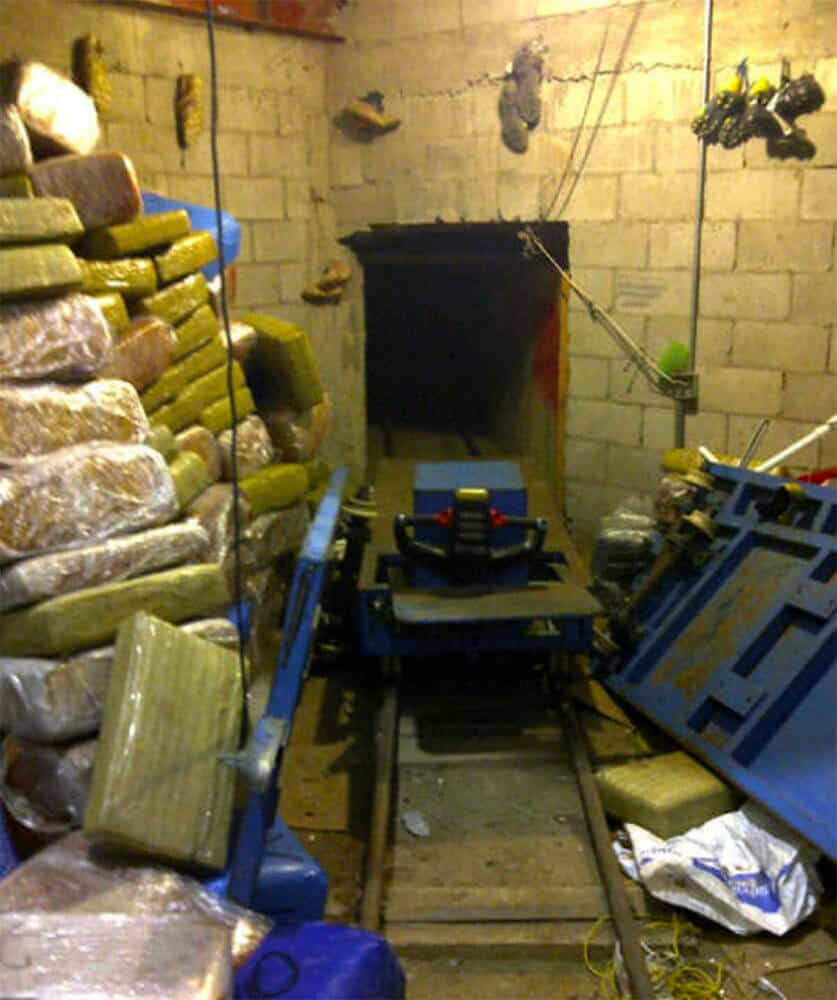
Milenio said the construction method used is very similar to that employed to build the tunnel through which Guzmán escaped from the El Altiplano maximum security prison in México state in 2015. As a result, it is believed that the Sinaloa Cartel built the twin cross-border tunnels, and at least some of the others found by the army since 2016.
In the past six years, the army has also discovered three narco-tunnels in Mexicali, two in Nogales and one in each of Tecate, San Luis Río Colorado and Matamoros. That in San Luis Río Colorado is also among those that have similar engineering to Chapo-style tunnels. When it was discovered in 2018, a military source described it as being “perfectly built,” equipped with ventilation and lighting systems, and its walls and ceiling covered with wood. It also had tracks along which small carts could run.
Mexican and United States authorities have identified José Sánchez Villlalobos – known as “the lord of the tunnels” – as the mastermind behind their design, but Guzmán is considered the pioneer of their use to move contraband into the U.S.

Sánchez, who was recently released from prison in the U.S. after serving a 10-year term, admitted to planning, financing and supervising the construction of “multiple” cross-border tunnels from 2010 to 2012, as well as overseeing their operation as smuggling conduits, according to a report by The San Diego Union-Tribune. Milenio said the former Sinaloa Cartel member – who was once considered a close confidante of El Chapo – had admitted to involvement in the construction of over 100 tunnels.
United States Ambassador Ken Salazar said in May that there are over 200 smuggling tunnels in the Tijuana-San Diego area alone. He said U.S. authorities are working with the Mexican government to “eradicate these tunnels that shouldn’t be there.”
The first Mexico-United States narco-tunnel was discovered in 1990. The brainchild of El Chapo – who is serving a life sentence in prison in the United States after being tried on drug trafficking charges in early 2019 – the 60-meter-long tunnel linked Agua Prieta, Sonora, to Douglas, Arizona.
With reports from Milenio and Zeta Tijuana