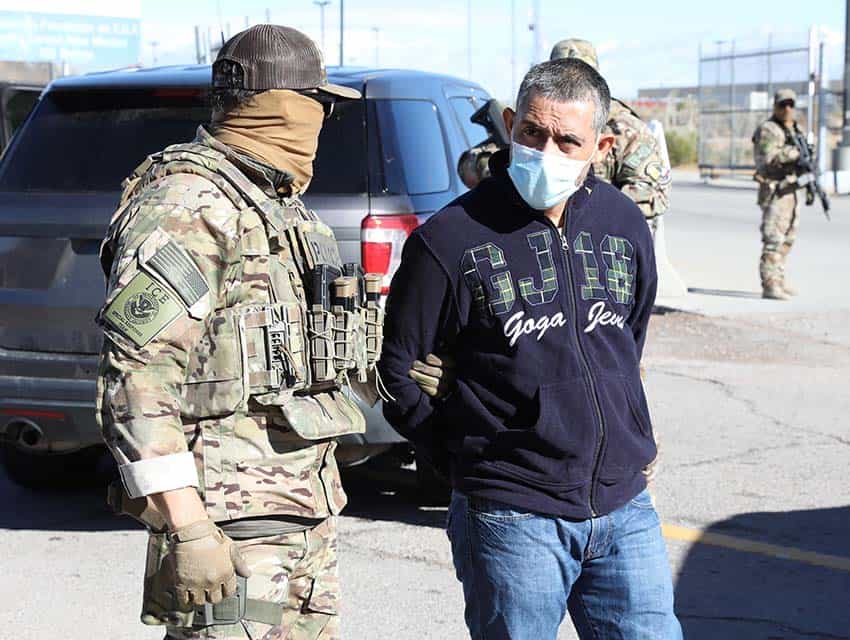
On Wednesday, United States authorities handed over to Mexico custody of Alejandro Tenescalco, a former Iguala municipal police officer wanted in connection to the disappearance of 43 students from Ayotzinapa in 2014.
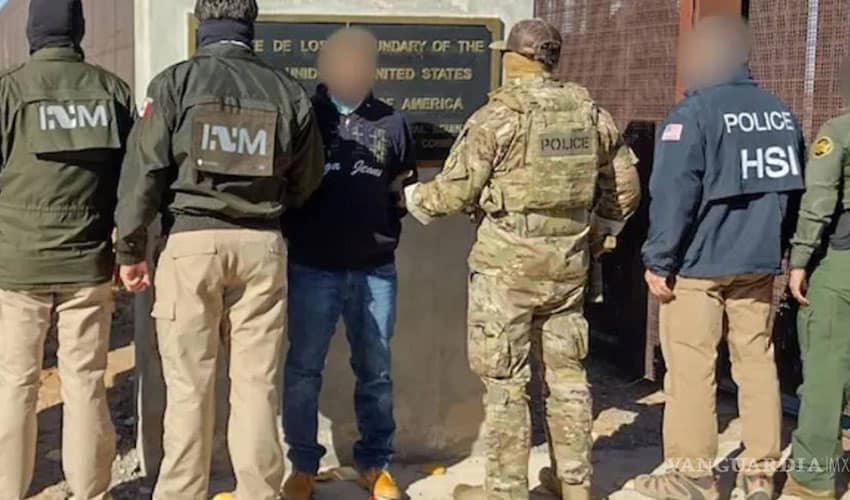
According to a statement by Mexico’s National Migration Institute (INM), Tenescalco was detained by U.S. Customs and Border Protection (CBP) on Dec. 20 while trying to cross the border irregularly. He was detained until Wednesday, when he was turned over to Mexican authorities once it was established that he did not meet the conditions to be granted asylum in the U.S.
On arrival in Mexico, Tenescalco was handed to Mexican authorities and turned over to the federal Attorney General’s Office due to a warrant for his arrest issued in 2015. He had been wanted for almost nine years on kidnapping and organized crime charges related to the Ayotzinapa case. Mexico had offered a 10-million-peso (US $500,000) reward offered for information on his whereabouts.
The Interdisciplinary Group of Independent Experts (GIEI), which is participating in investigating the case along with the federal government’s Commission for Truth and Access to Justice, has long singled out Tenescalco as a key actor in the events of Sep. 26, 2014, when 43 students from the Ayotzinapa Rural Teachers’ College were abducted while traveling through Iguala, Guerrero.
“We had insisted on his search and arrest since our first report,” GIEI member Carlos Beristáin said. “He’s a key person that night.”
The GIEI’s reports place Tenescalco in three key locations on the night of the disappearances. One Iguala police officer described him firing a gun on the students’ bus during the initial attack. Another officer testified that Tenescalco later drove one of the cars that patrolled the town perimeter following the attack, while agents of the Iguala police and members of the criminal group Guerreros Unidos took the students away.
Finally, telephone signals from that night suggest that Tenescalco was near Barandilla, a police facility in Iguala where the FGR believes the students were taken.

Tenescalco had once been suspected to be “El Caminante,” the alias given to a mysterious figure who communicated with several Iguala police officers on the night of the attack. He was identified as El Caminante by the federal Attorney General’s Office of President Enrique Peña Nieto’s government.
But in 2020, at which point President Lopez Obrador was in office, both the government’s Commission for Truth and Access to Justice in the Ayotzinapa case and the GIEI concluded that El Caminante was likely an ex-general by the name of Marcos Esteban Juárez Escalera, who was Guerrero’s head of public safety until about a month before the kidnappings.
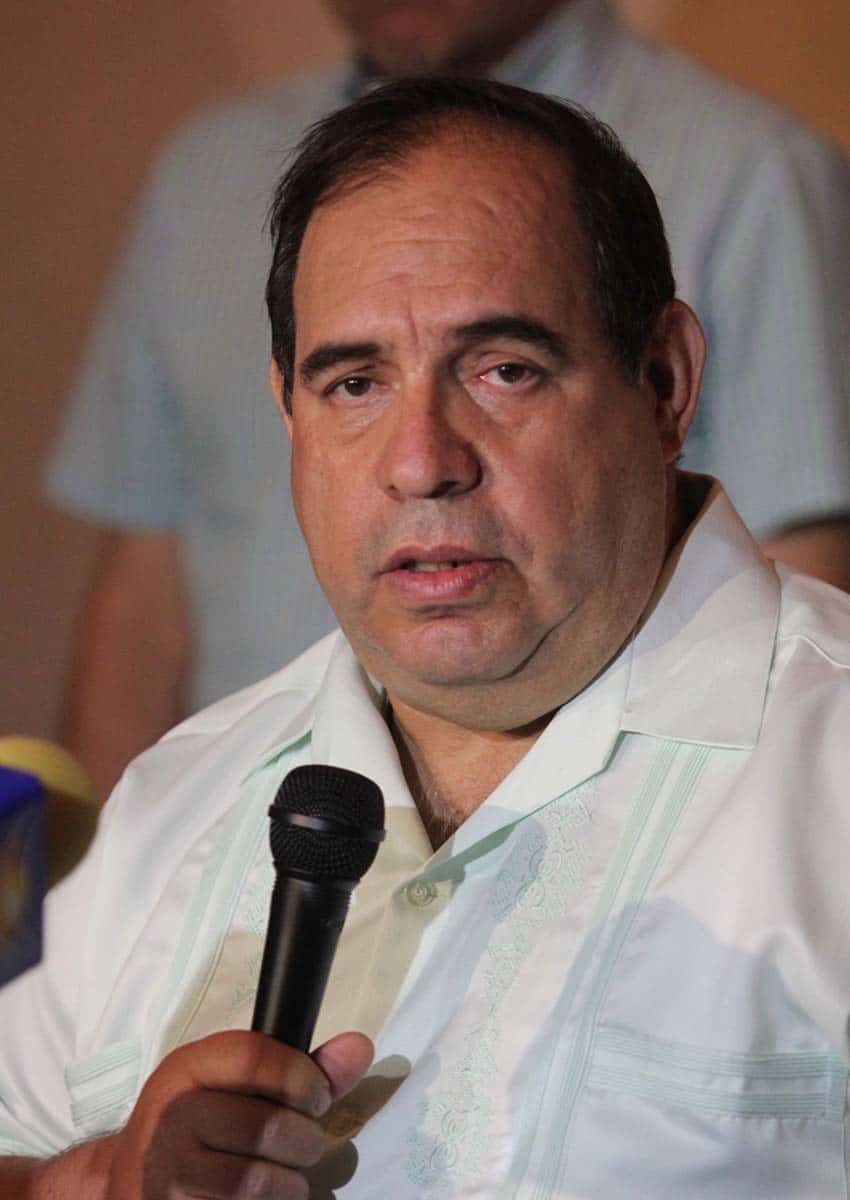
Although the National Commission for Human Rights suggested that Juárez be investigated, the federal Attorney General’s Office did not pursue it, and Juárez died in late 2020.
According to a report published by the Truth and Access to Justice Commission in August, and later leaked to the press in unredacted form, almost all of the 43 students were murdered, dismembered and buried on the night of the attack. The report asserts that the military played a key role in the students’ disappearance, and also implicates government officials in facilitating and covering up the killings.
With reports from El País