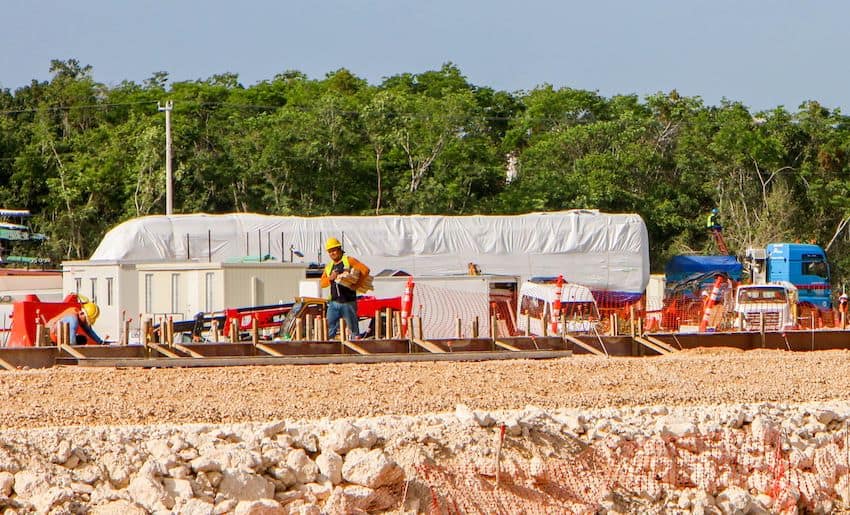
The Ocean Futures Society, chaired by French explorer Jean-Michel Cousteau, has sent a letter to President López Obrador, claiming that construction on the Maya Train is severely damaging the Chac estuary, a tributary of the Bacalar lagoon in Quintana Roo.
“The Chac estuary has been in a process of being filled in,” the letter reads. “This seems to have been stopped, for the moment, thanks to the courageous and determined reports of the inhabitants of the region and activists, who continue trying to stop the ecocide that prevails in the construction of this train.”
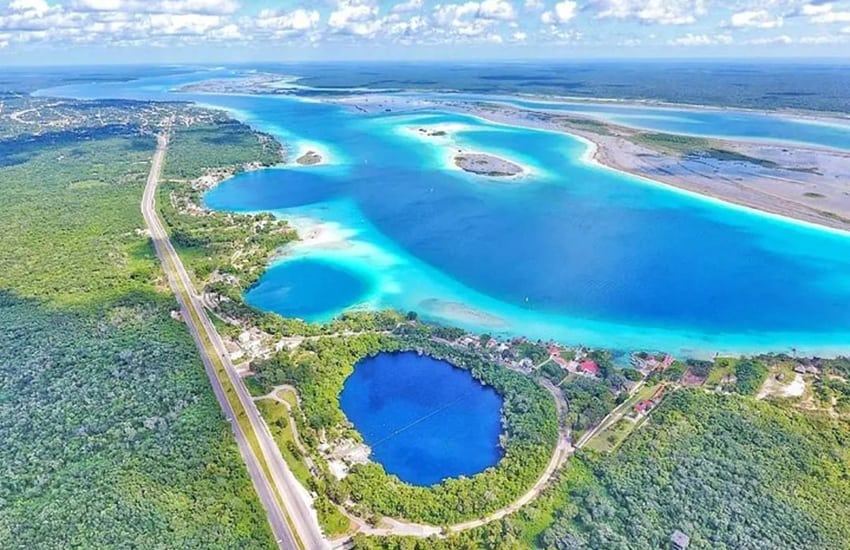
The estuary is located along the Maya Train’s 254-kilometer Section 6, known as the Tulum-Bacalar route.
The organization said that the damage — blamed by authorities on “a mistake by workers” — in fact reflects poorly planned construction processes, imposed on the majority by a minority that holds economic power.
It also highlighted damage to the nearby lagoons of Chile Verde and Laguna Guerrero caused by deforestation, which the organization said has severely affected the mangroves that support the region’s biodiversity and provide essential protection against hurricanes.
“We cannot, and must not, remain silent when the effects of climate change are putting millions of people and livelihoods at risk,” the letter said. “The events in Bacalar and its surroundings are contributing to that problem.”
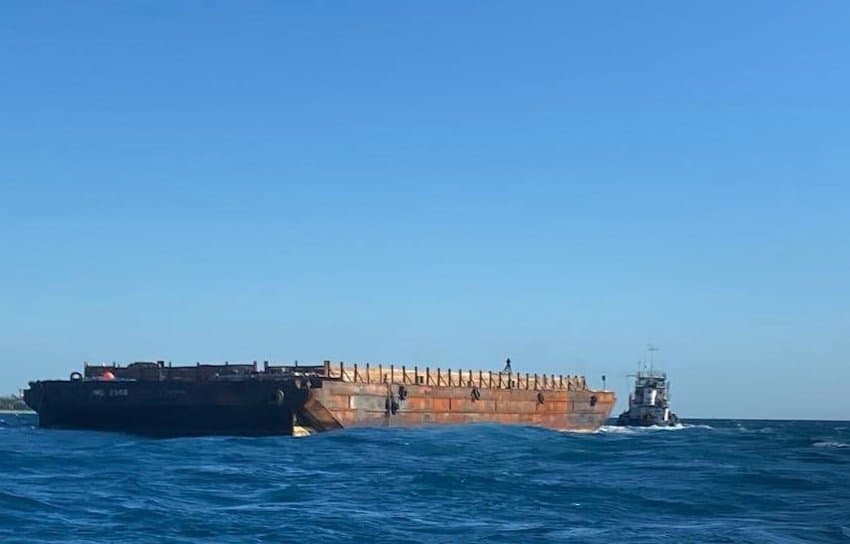
The Ocean Futures Society sent a previous letter to President López Obrador in March, warning that shipments of ballast for the Maya Train off the coast of Quintana Roo risked damaging the region’s endangered coral reef. That resulted in a judge ruling to block more ballast shipments to the location, near Puerto Morelos.

It said then that it fully supports the “honest petitions” made by Mexican environmentalists and civil society groups, who have filed for numerous legal injunctions against the planned 1,500-kilometer railroad loop on the Yucatán Peninsula, meant to provide commuter, cargo and tourism service to the region.
The society’s latest intervention coincided with an open letter by local environmental groups, calling on the federal government to stop work on section 6 of the Maya Train until a route is found that avoids damage to the Bacalar wetlands.
“The decision to pass the road over the wetlands takes citizens by surprise, since there has been no public consultation, no supporting document has been disclosed and even less has the engineering project been made available [to the public],” the letter states.
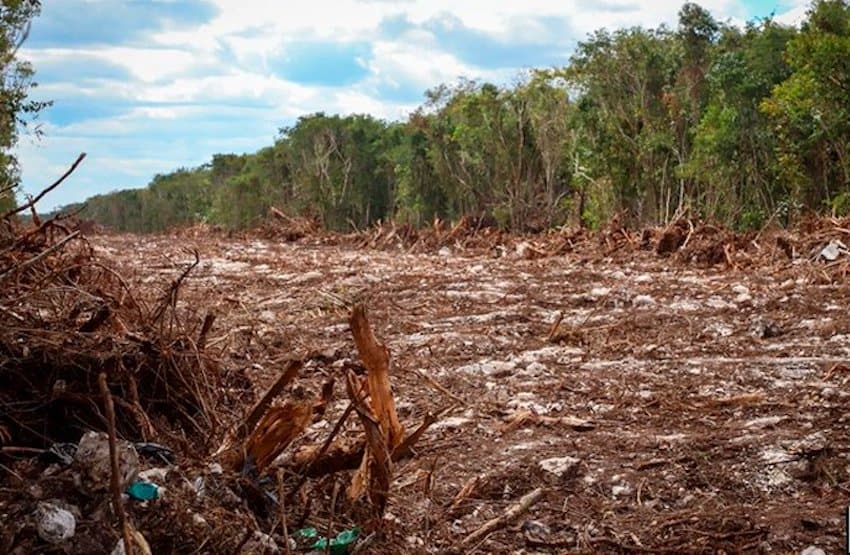
It argues that the solution proposed by authorities of constructing an elevated bridge over the Chac estuary does not solve the problem because this still requires filling in several kilometers of wetlands and severely impacting water flows.
“That decision is a huge mistake that will have serious consequences for the fragile ecosystems that make up this region,” the organizations argue.
The Bacalar lagoon system houses the largest bacterial reef on the planet, as well as hundreds of hectares of mangroves and orchids that make up the habitat of numerous animals. Its vivid turquoise color and relaxed atmosphere have also marked it out as an up-and-coming tourist destination.
With reports from El Economista and La Jornada Maya