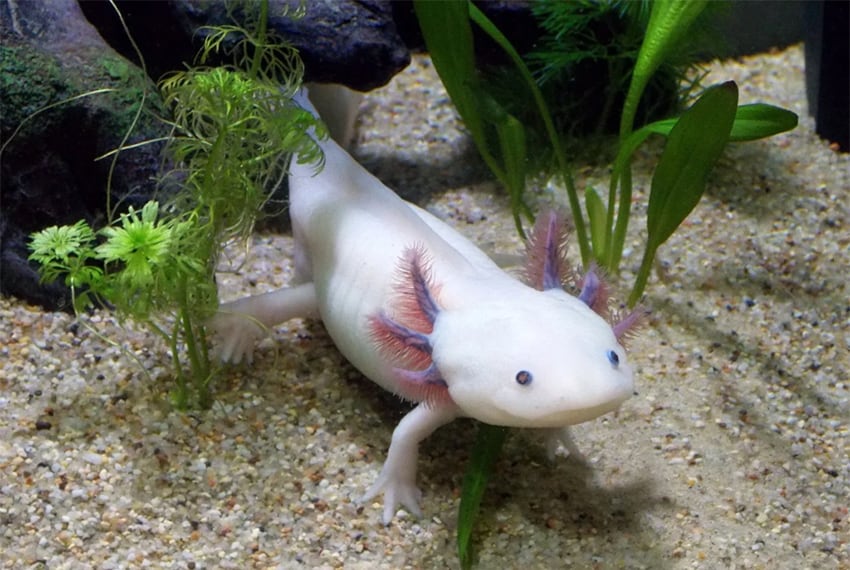
For the second year in a row, the National Autonomous University of Mexico (UNAM) has launched the “AdoptAxolotl” fundraising campaign to boost conservation efforts for axolotls, an endangered Mexican salamander.
People can virtually adopt an axolotl for one month (US $30), for six months (US $180) or for one year (US $360). The adoption comes with live updates on the axolotl’s health and an adoption certificate. Alternatively, donors can buy one of the salamanders a virtual dinner for US $10.
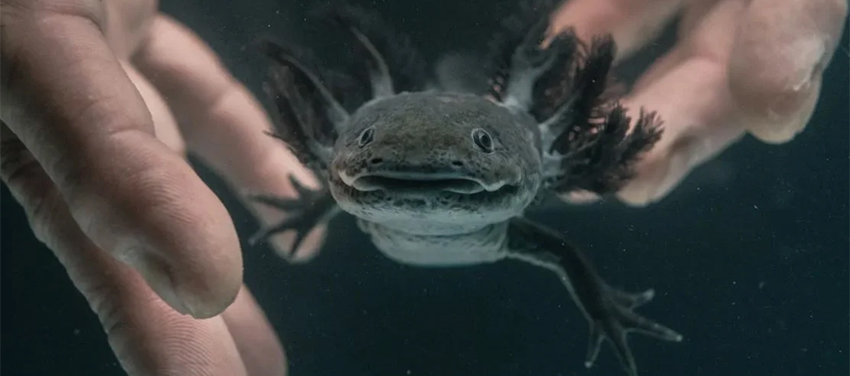
Last year, the fundraising campaign raised over 400,000 pesos (US $23,000) for the conservation of the axolotl and its natural habitat in the freshwater canals of Xochimilco, south of Mexico City.
This year’s goal is to double that number.
“There is no more time for Xochimilco,” Mexican biologist and aquatic community restoration specialist Luis Zambrano told the Associated Press.
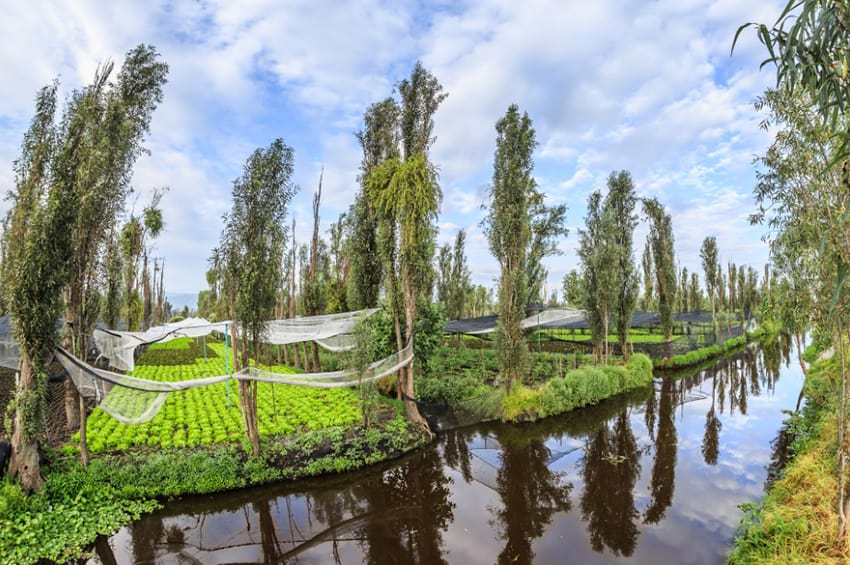
Zambrano has been working on conservation plans to protect the axolotl’s natural environment for over 20 years. One of these projects is the maintenance of protected areas for the axolotls within the artificial islands (chinampas) of Xochimilco.
Scientists leading the fundraiser told the Associated Press that in less than two decades, the population density of Mexican axolotls in their primary habitat has decreased by 99.5%.

A 1998 census found 6,000 axolotls per square kilometer. It dropped to just 36 in the latest census, carried out in 2014 — and it just keeps getting worse, Zambrano told news outlet Sin Embargo.
Without current data on the number and distribution of different axolotl species in Mexico, it is difficult to know how much time these creatures have left in the wild.
“All I know is that we have to work urgently,” Alejandro Calzada said, another researcher specializing in axolotls, adding that 18 species of axolotl in Mexico remain critically endangered due to water pollution, a deadly fungus that affects amphibians, and the presence of non-native rainbow trout.
With reports by Associated Press, Animal Político, Sin Embargo and WIRED