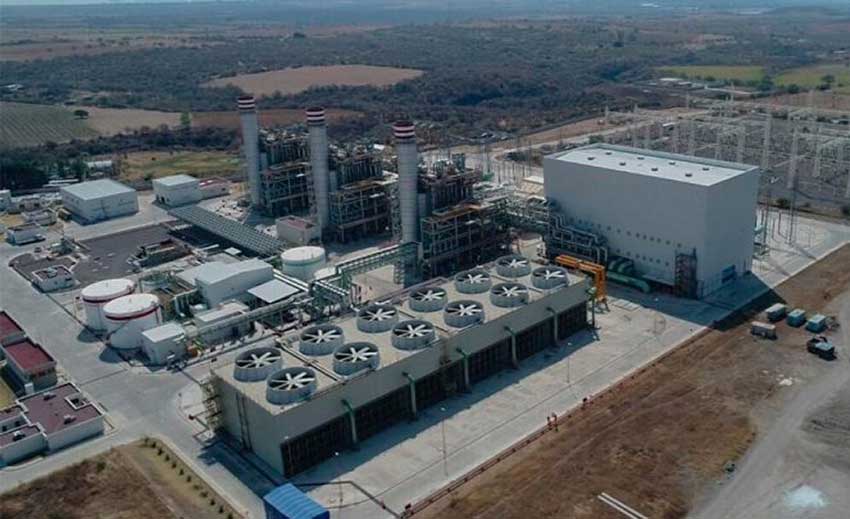
Voters threw their support behind a thermal power plant in Morelos by voting 59.5% in favor in a weekend consultation.
President López Obrador today called the vote a success “because we know that the last government imposed the project without consultation. There was repression, and it created a movement opposed to the thermoelectric plant and the pipeline, but we had to tackle this issue, a 25-million-peso [US $1.31-million] project.”
The president had said previously that citizens would enjoy cheaper electricity if the plant, located in Huexca, Morelos, were put into operation.
Some communities in the area have been fighting the project for several years, and will probably continue to do so. An umbrella group of opponents rejected the consultation approach when it was announced, and said they would remain opposed regardless of the vote’s outcome.
One of the leaders of the opposition group was shot and killed last Wednesday in Amilcingo, a town near the site of the plant, but state authorities have said the murder was not connected with the power plant protest.
Protesters turned out on the weekend, burning and vandalizing a polling station in the municipality of Temoac.
In Cuernavaca, an individual stole a ballot box. The aggressor was arrested but later released.

Despite “provocations” the government was able to carry out the consultation, the president said, issuing a call to all to citizens to solve their differences in a peaceful manner.
“The best solution is democracy, not imposition or blockading polling stations and burning urns. Not that!”
Authorities did not divulge voter turnout in terms of percentage, but said 53,532 people voted.
The federal government’s delegate in Morelos said today that more citizens voted on the thermal plant than the consultation over the new Mexico City airport.
The next step in the process to begin operating the plant is a water quality and quantity study. López Obrador signed an agreement last week with UNESCO to determine whether its water treatment processes are adequate.
The president said the plant would not operate if the study finds that water supplies would be adversely affected.
Source: Milenio (sp)