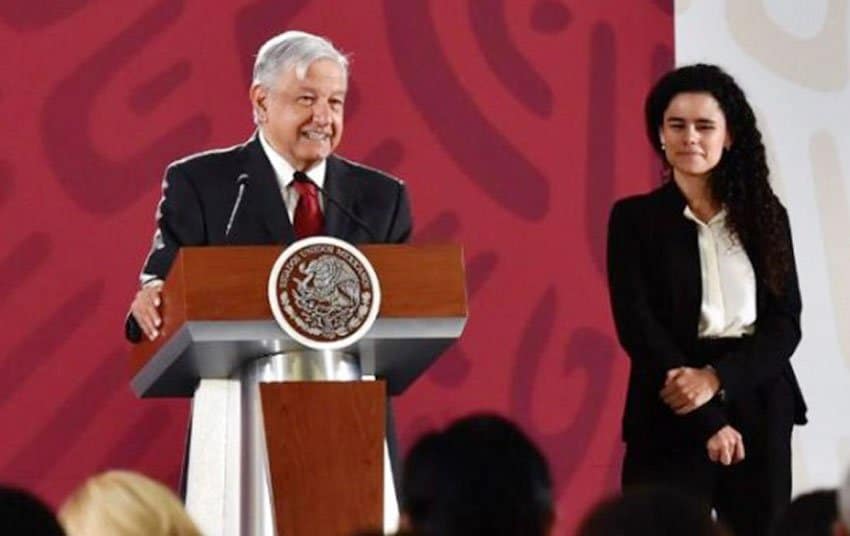
It was Labor Day in Mexico yesterday and the federal government took advantage of the date to celebrate sweeping new labor legislation.
Approved by the Senate on Monday, the bill gives workers the right to bargain collectively with employers through independent unions and elect union representation by secret ballot.
It was also key to ratifying the new free trade agreement between Mexico, the United States and Canada.
The lack of transparency under which unions operated previously enabled them to sign contracts behind employees’ backs, keep wages low and lure foreign manufacturing industries to the country.
Labor Secretary Luisa María Alcalde called the vote “historic,” saying that “Congress has voted in favor of freedom and union democracy.”
In the United States, Trade Representative Robert Lighthizer celebrated the new legislation.
“These reforms will greatly improve Mexico’s system of labor justice and are exactly what labor leaders in the United States and Mexico have sought for decades.”

Democratic House Speaker Nancy Pelosi had previously called on Mexico to pass such a bill, saying the U.S. Congress could not begin work on the new trade agreement unless Mexico ensured workers’ right to unionize.
López Obrador said an agreement on the legislation had been reached only after long negotiations with unions, the manufacturing industry and lawmakers.
Source: El Sol de México (sp), Reuters (en), The Washington Post (en)