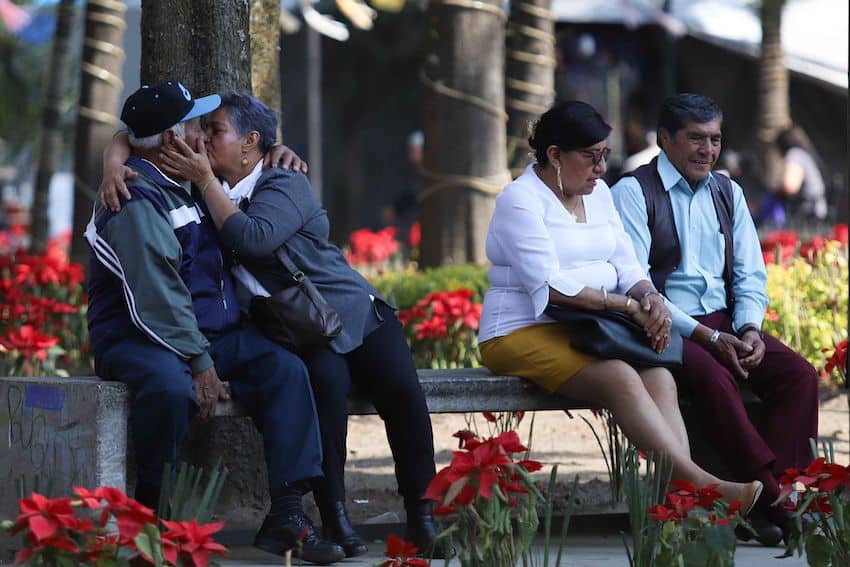
Mexico, long known for its youthful population, is about to enter an era of accelerated demographic aging that will lift the median age from its current 30.5 to 43 by 2050.
According to projections from the National Population Council (Conapo), the shift will begin in 2030 when people aged 60 and over will account for approximately 15% of the total population compared to just over 12% today.
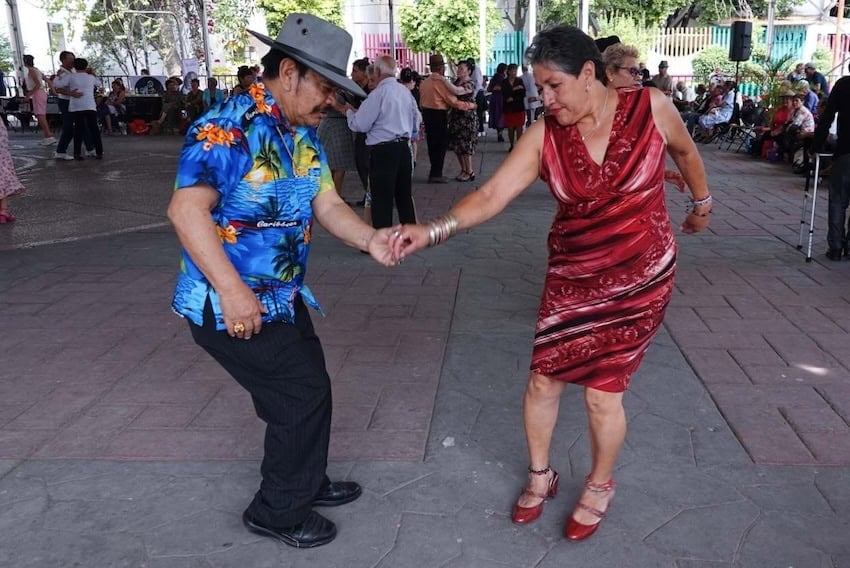
More significantly, Mexico will begin to have more older adults than children under 15, marking the end of the so-called “demographic dividend” and the onset of an aging population structure. That change will have direct effects on the country’s economy, healthcare, and social security systems
The absolute number of older Mexicans is expected to rise from 17.1 million today to 20 million by 2030 — just four years from now. Currently, Mexico City, México state, Veracruz and Morelos have the highest rate of older people in Mexico.
Looking further ahead, Conapo projects that by 2070, more than one-third (34.2%) of Mexico’s population will consist of people over 60.
Serving as early microcosms of Mexico’s future, at least 30 municipalities across eight states are expected to reach a median age of 60 by 2040, meaning their older residents will be just as numerous as their younger residents.
Verónica Montes de Oca, coordinator of the Interdisciplinary University Seminar on Aging and Old Age (Suiev) of the National Autonomous University of Mexico (UNAM), has suggested that those already aging municipalities should serve as a guide for their states to promote programs and public policies that can be replicated in other regions.

Mexico’s National Institute for Older People (INAPAM) has said that Conapo’s projections “suggest that the growth of the elderly population will be sustained and accelerated in the coming decades, making it essential to adopt measures that guarantee the well-being and health of older people . . . allowing women and men to age with dignity and on equal terms, throughout their entire life course.”
On that note, Montes de Oca proposed designing and implementing strategies that delay the onset of chronic degenerative diseases, while also encouraging changes in eating habits. She said public campaigns should be aimed at raising awareness about healthy nutrition and its long-term benefits, as well as strengthening regulatory, fiscal and educational measures aimed at reducing the consumption of sugary drinks.
She also noted the need to bring medical services closer to remote or underserved communities by deploying mobile health units that can provide essential care in regions far from urban centers. This, she said, must go hand in hand with differentiated regional strategies tailored to the specific needs of each municipality.
Finally, she stressed the importance of reinforcing direct care programs, such as the “Salud Casa por Casa” (“House-to-House Health”) program, to ensure personalized and continuous medical follow-up for vulnerable people.
With reports from La Jornada and El Financiero