Five people are dead and two others are in intensive care in Chiapas after two incidents involving poisonous mushrooms.
Health spokesman Octavio Alberto Coutiño Niño said that a family of four from Huixtán was admitted to a hospital in San Cristóbal de las Casas with symptoms indicating they had consumed poisonous mushrooms.
But doctors were unable to save three of the victims. A fourth family member is still receiving treatment at the Huixtán health center.
In another incident, a family of three collected mushrooms for personal consumption in a forest near the community of Chichelalo in San Andrés Larráinzar. Days later, all three were hospitalized but a 30-year-old man and his 6-year-old son died shortly thereafter. A third family member survived and is recovering in the San Andrés Larráinzar hospital.
The secretary of health called on citizens in the Tsotsil-Tseltal highlands region to collect mushrooms only while accompanied by someone experienced in distinguishing which varieties are edible.
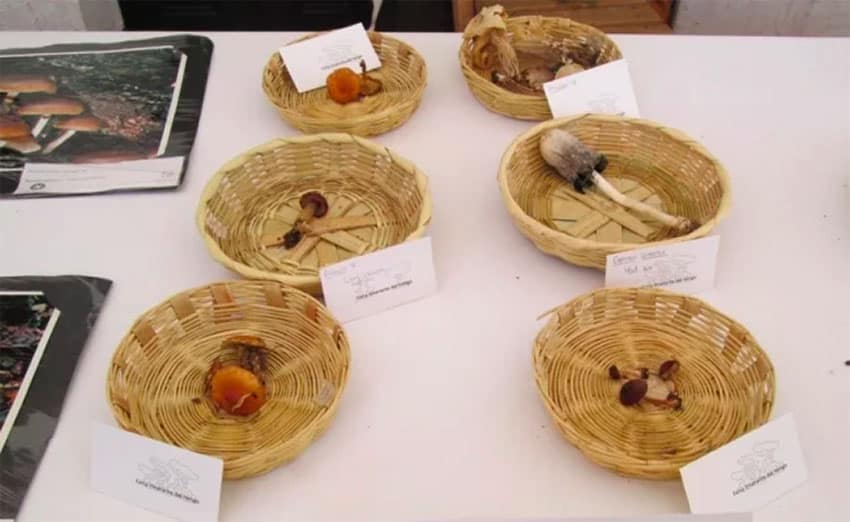
There are 13,000 species of mushrooms in Chiapas, of which only 300 can be eaten. Among the most toxic species are the amanita verna, better known as the fool’s mushroom, and the amanita virosa, also known as the destroying angel mushroom, which account for most of the serious poisoning cases seen in the state.
Source: Milenio (sp)