Danish investment firm Copenhagen Infrastructure Partners (CIP) has announced it will invest approximately US $510 million into a priority clean-energy project in the state of Campeche.
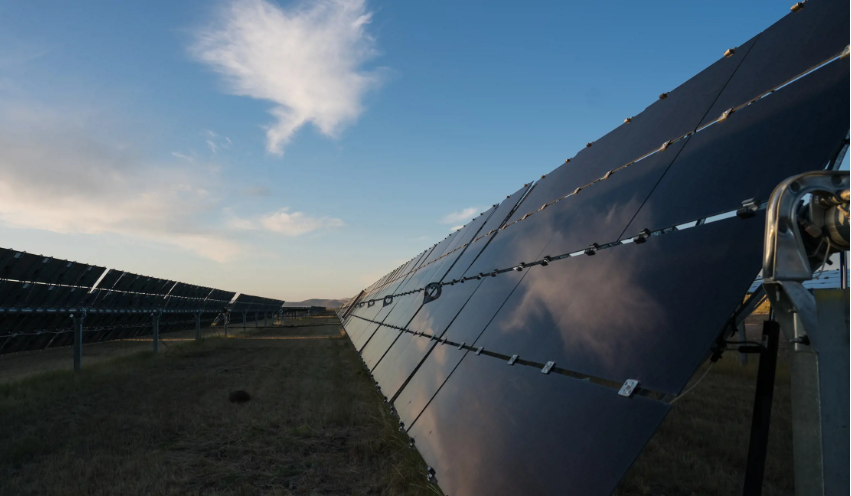
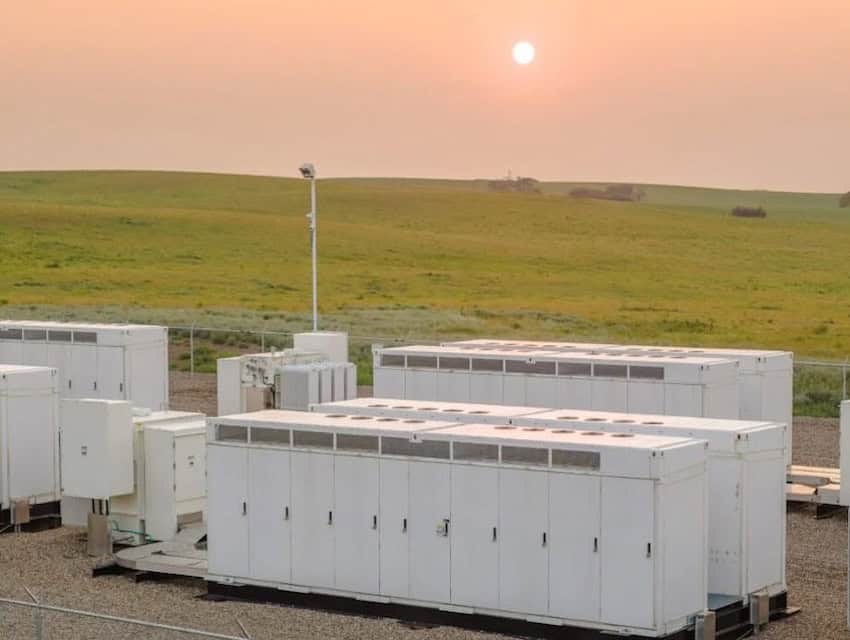
The new La Esperanza Solar project — financial close was reached on Aug. 6 — is an energy storage-plus-solar PV (photovoltaic) project that CIP described as a 420MW (megawatt) solar PV and 150MW/750MWh (megawatt-hour) battery energy storage system project.
The project — which CIP calls “a significant milestone in its growing renewables portfolio in Latin America” — is being financed via debt facilities provided by BNP Paribas, JPMorgan Chase Bank, Natixis CIB, Santander and Scotiabank. Mexico’s retirement fund administrator, Profuturo, is expected to be a co-investor.
Developed in collaboration with the Energy Ministry and relevant authorities, La Esperanza Solar aims to shore up the National Electricity System through long-term strategic energy infrastructure investment, as part of the government’s renewable energy plan.
Four days after financial close, the Federal Electricity Commission (CFE) agreed to purchase energy from La Esperanza Solar via a long-term power purchase agreement with CFE Calificados.
CFE Calificados is a CFE subsidiary specializing in providing qualified supply of electrical energy to large consumers and industries in Mexico. Qualified supply refers to vendors whose services have been verified and approved.
“A contract of this nature provides certainty regarding demand, and certainty is crucial for investments of this magnitude to be able to secure financing and construction,” CFE said in a statement.

The combination of PV solar generation and energy storage is particularly relevant, since electricity production depends on the availability of solar resources.
This capacity allows for more flexible management of the energy produced by the plant and contributes to the electricity supply in the Yucatán Peninsula, a region plagued by blackouts in recent years while energy demand continues to rise.
The La Esperanza Solar project also reflects the role of CFE Calificados within the national electricity system. It acts as a marketer that, with the support of the Federal Electricity Commission, contributes to strengthening the transition and national energy sovereignty, explained the state-owned company.
This agreement is part of CFE Calificados’ strategy to strengthen and diversify its portfolio with different generation technologies and to support its customers in the transition to cleaner energy sources.
As part of its adherence to President Claudia Sheinbaum’s clean energy directive, CFE Calificados has signed hedging contracts for renewable energy projects. With these options, large consumers can support their operations with renewable energy and have greater certainty of supply.
Shortly after taking office in October 2024, Sheinbaum declared her government would pursue a target of 38%-45% clean energy by 2030.
With reports from El Economista, Power Gen Advancement and Energy Storage News