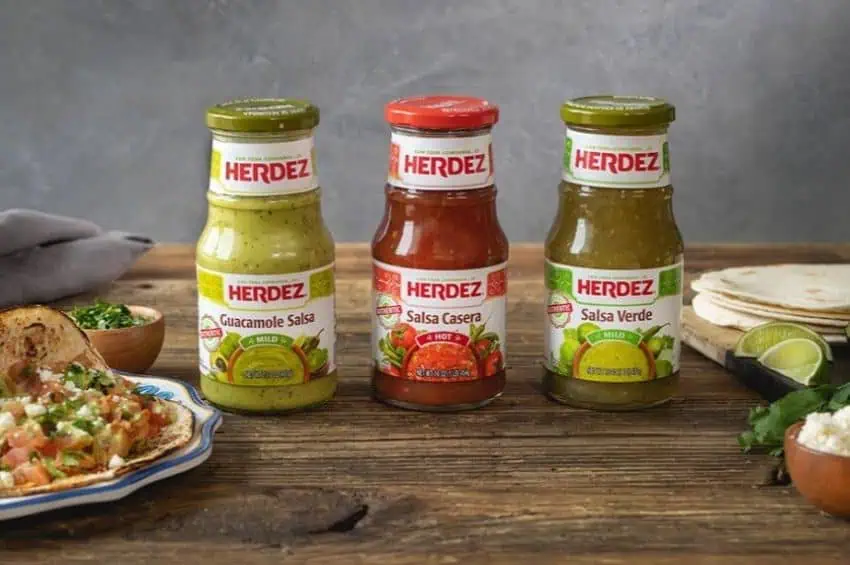
Grupo Herdez, one of Mexico’s leading processed food companies, announced plans to invest between 1.5 billion and 2 billion pesos (US $73.3 million to 97.9 million) in Mexico this year.
In a report to the Mexican Stock Exchange (BMV) on Wednesday, Herdez explained that 500 million pesos (US $24.4 million) of this investment will be allocated to software migration for its enterprise resource planning (ERP), which manages core business processes.
The remaining funds would be destined to enhance export capacity for its salsas, install a new long pasta line for Barilla Mexico, and remodel stores in its Impulse division, which includes ice cream, coffee and canned foods.
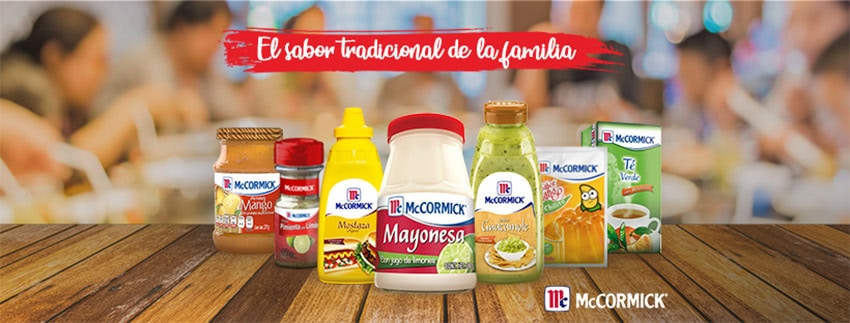
The company, which produces and markets food brands such as Del Fuerte, McCormick Mexico, Helados Nestlé and Nutrisa, expects sales growth of 6% to 8% during 2025, with two-thirds of the projected growth in net sales coming from higher volumes.
The company’s Impulse division is expected to see the greatest growth, at an estimated rate of 19% to 21%. This would be followed by Herdez’s Preserves division, with an anticipated increase of 5% to 7%, and exports, which are expected to grow by 1% to 2%. According to the company’s preliminary figures for last year, net sales in 2024 were 37.4 billion pesos (US $1.8 billion).
Grupo Herdez anticipates pressures from rising costs, exchange rate fluctuations and higher operating expenses, especially in logistics, which is expected to put pressure on its operating margins and operating cash flow (EBITDA) this coming year.
However, the report said Herdez expects consolidated net profit to increase by 9% to 11% compared to 2024, driven by the normalization of avocado prices.

Grupo Herdez began operations in 1914. It currently has a portfolio of 1,500 products ranging from tuna, spices, guacamole, ice cream, mayonnaise, jams, honey, mole, mustard, pasta, organic items, ground tomatoes, homemade sauces, ketchup, tea and canned vegetables.
Other brands include Búfalo, Cielito Querido Café, Del Fuerte and Doña María.
The Mexican-food company also has operations in the United States, where it has become one of the fastest-growing companies in the authentic Mexican food industry. Its brands are sold in 21 countries, thanks to a network that includes 15 plants, 24 distribution centers and over 9,000 employees.
With reports from Milenio and El Economista