
Honda was forced to suspend operations at its Celaya automotive plant in Guanajuato state on Tuesday due to a shortage of semiconductors. The plant relies on Nexperia chips manufactured in China, and recent export restrictions have thrown a wrench in their operations.
The Japanese car firm reported that it had implemented production adjustments starting Oct. 27 due to the chips shortage, which led to halting operations at its facility in Mexico’s Bajío region. The company has not set a date to recommence operations.
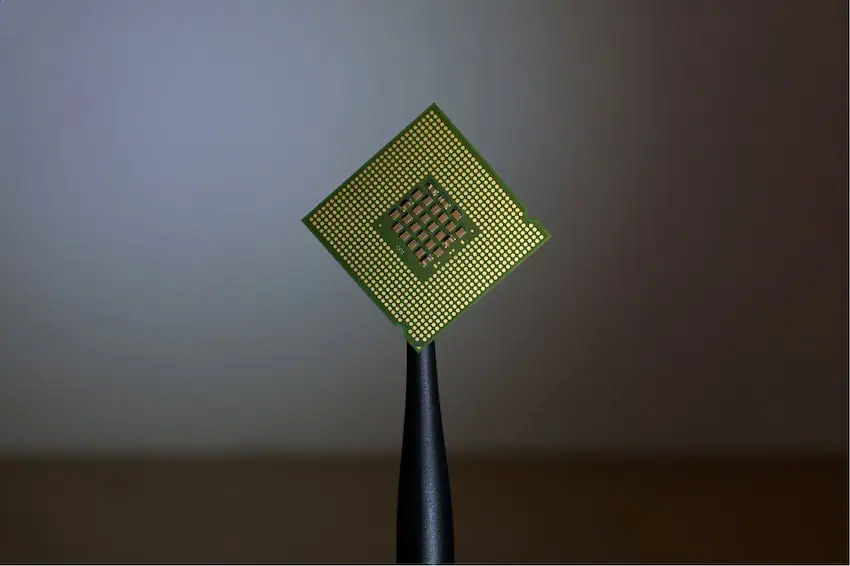
Honda relies on Nexperia’s semiconductors for its North American car manufacturing operations. The chips shortage has led Honda to reduce the production of vehicles across the continent in recent weeks.
Around 40% of Honda’s global sales are in North America, with its Celaya plant producing 200,000 units a year. The firm manufactures its best-selling model in Mexico, the HR-V SUV, at the facility.
“The situation is constantly changing, and we cannot determine a timeframe at this time. We are doing everything possible to minimize the impact,” the company stated.
The Japan Automobile Manufacturers Association released a statement earlier in October acknowledging that the situation “could have a serious impact on companies’ global production.”
Nexperia is one of the largest manufacturers of basic chips, such as transistors, globally, providing roughly 40% of the chips to the global automotive sector. The firm, which is owned by Chinese investors, recently reported restrictions on exports by both China and the United States.

The Dutch government took control of Nexperia, which is headquartered in the Netherlands, on Sept. 30, removing its Chinese CEO and citing national security concerns due to the suspended export of chips from China.
Automakers in both North America and Europe feared that the chip shortage could drive up car prices, as was the result of the supply chain disruptions following the COVID-19 pandemic.
China’s Commerce Ministry blamed the supply chain chaos on “the Dutch government’s inappropriate interference in the company’s internal affairs.”
Hope for an end to the shortage emerged following a meeting between U.S. President Donald Trump and Chinese leader Xi Jinping on Thursday, when Beijing announced plans to allow some exemptions from the export control to access the chips.
“As a responsible major country, China fully considers the security and stability of domestic and international supply chains,” China’s Commerce Ministry said in its Saturday press statement. “We will comprehensively consider the actual situation of the companies and grant exemptions to eligible exports.”
With reports from El Economista and CNN