A double-digit increase in auto sector exports has fueled strong annual growth in the value of Mexico’s total exports this year.
The value of exports increased 3.8% in annual terms both in August and in the first eight months of the year, according to preliminary data published by the national statistics agency INEGI on Wednesday. The value of non-oil exports increased 4.3% last month and 5.8% between January and August.
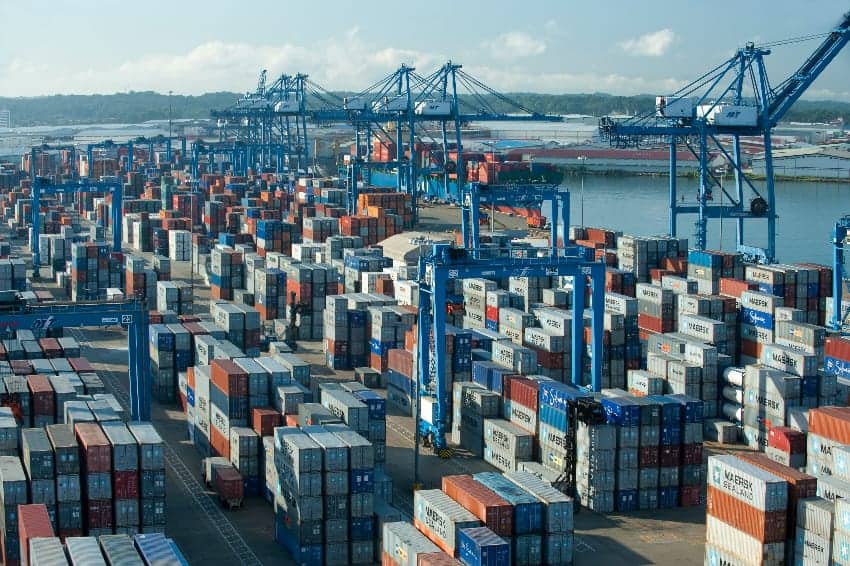
Mexico’s total exports were worth US $52.36 billion last month and $391.87 billion between January and August. The manufacturing industry, including the auto sector, contributed the lion’s share of those amounts.
Manufacturing sector exports were worth $47.15 billion last month and $348.95 billion in the first eight months of 2023. Those amounts represent about 90% of the total value of Mexico’s exports in the respective periods. The value of manufacturing exports increased 4.3% annually in August and 6% in the first eight months of the year.
The annual growth in the value of auto exports was even more impressive – 11% last month and 16.1% between January and August.
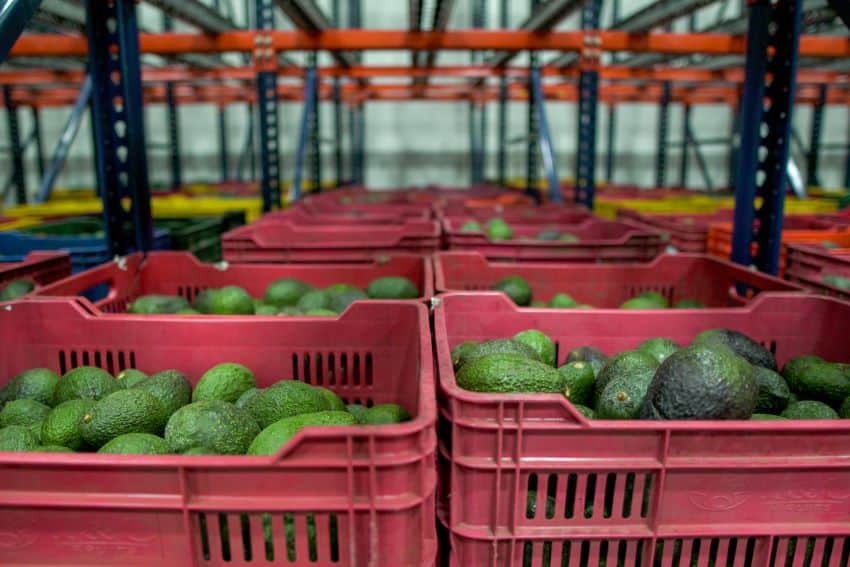
The value of agriculture exports – which include big earners such as avocados and berries – increased 2.9% in the first eight months of the year to just over $15 billion, while mining sector exports were up 4.9% to $6.35 billion.
Just over 83% of non-oil export revenue came from the shipment of products to the United States. Mexico was the United States’ largest trade partner in the first six months of the year.

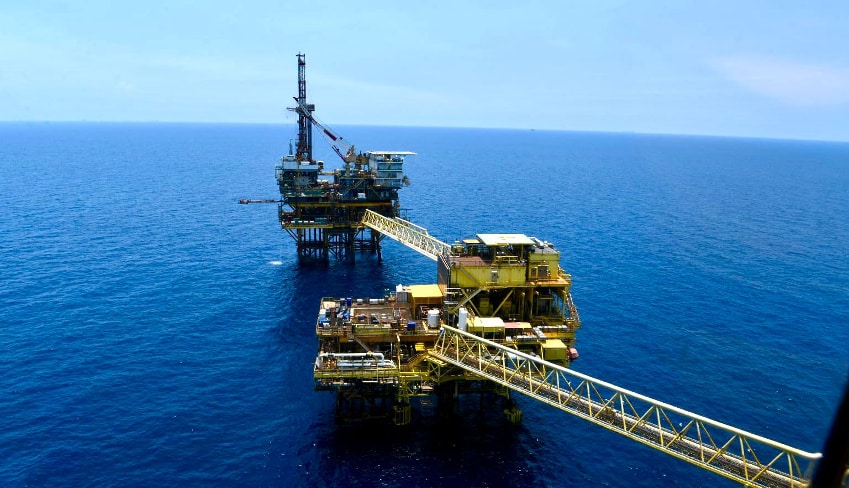
The value of oil exports declined 22% in annual terms between January and August to $21.53 billion, according to INEGI. Mexico is aiming to achieve self-sufficiency for fuel by 2024 and is thus keeping more crude here for processing rather than sending it abroad.
Preliminary data showed that the value of imports to Mexico declined 4.3% in annual terms last month and 0.5% in the first eight months of the year. Imports were worth $53.73 billion in August and $400.48 billion between January and that month, leaving Mexico with trade deficits in both periods.
Mexico’s deficit was $1.37 billion last month, 75.9% lower than that recorded in August last year, while its January-August deficit was $8.6 billion, a 65.2% reduction compared to that for the same period of 2022.
The majority of Mexico’s import spending was on intermediate goods, products used as inputs in the production of other goods. The value of imports of intermediate goods was $305.63 billion in the first eight months of the year, a 3.8% decline compared to the same period of 2022.
Imports of consumer goods rose 5.9% to $57.1 billion, while oil imports declined 26.8% to $12.93 billion. Mexico spent $37.74 billion on capital goods such as machinery, tools and heavy equipment in the first eight months of the year, a 22.5% increase compared to 2022.
Mexico News Daily