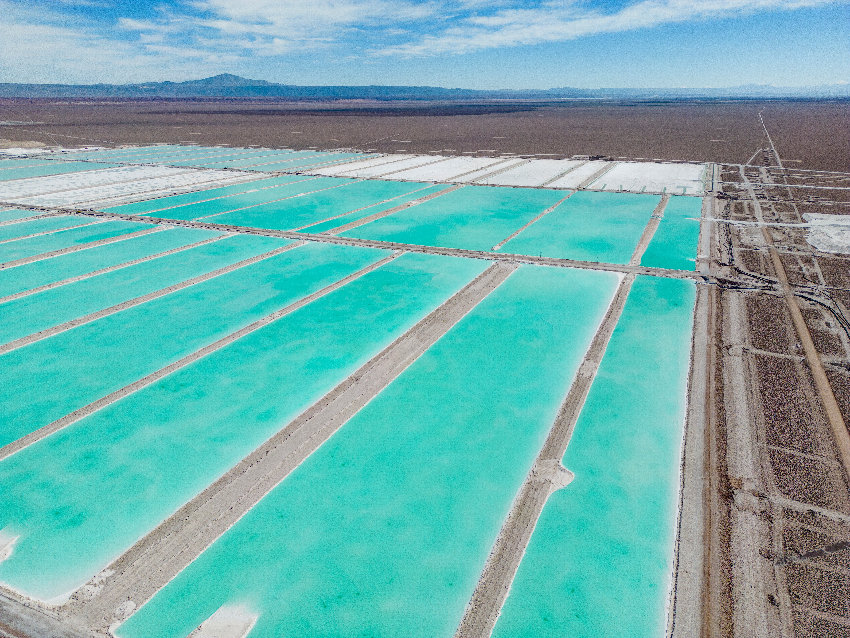
Canceling lithium mining concessions held by a Chinese company is against the law, the president of the Mexican Mining Chamber (Camimex) said Wednesday.
In a document sent to investors in late August but which wasn’t reported on until this week, Ganfeng Lithium – which holds concessions to mine lithium at a large reserve in Sonora – said it had been advised by Mexico’s General Directorate of Mines that it had failed to meet minimum investment requirements between 2017 and 2021.
According to a Reuters report, Ganfeng said in a filing that Mexico’s mining authorities had issued a notice to its local subsidiaries indicating nine of its concessions had been canceled.
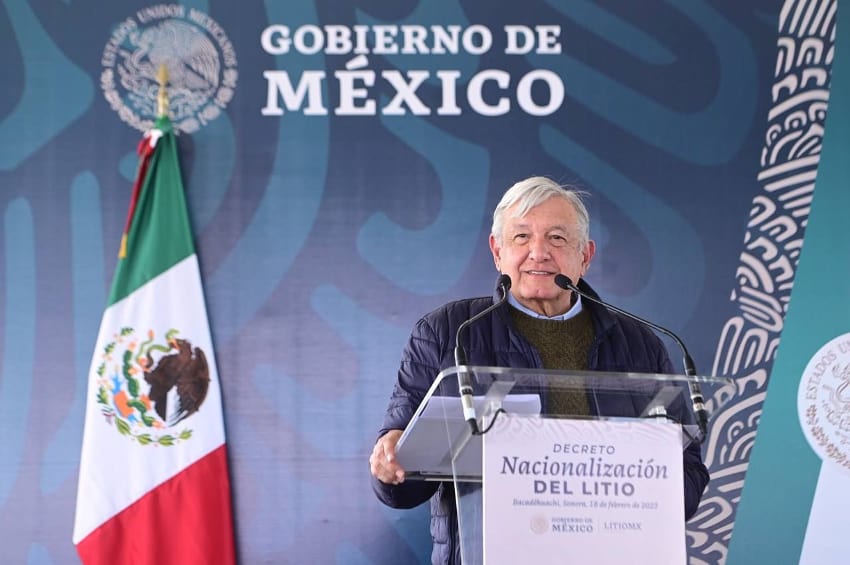
However, President López Obrador indicated that wasn’t the case on Thursday, telling reporters at his morning press conference that the cancellation was still under consideration.
The concessions – which were awarded before the 2022 nationalization of lithium – are being reviewed “legally,” he said.
“But we’ve taken the decision that lithium belongs to the nation because it’s a strategic mineral,” López Obrador said.

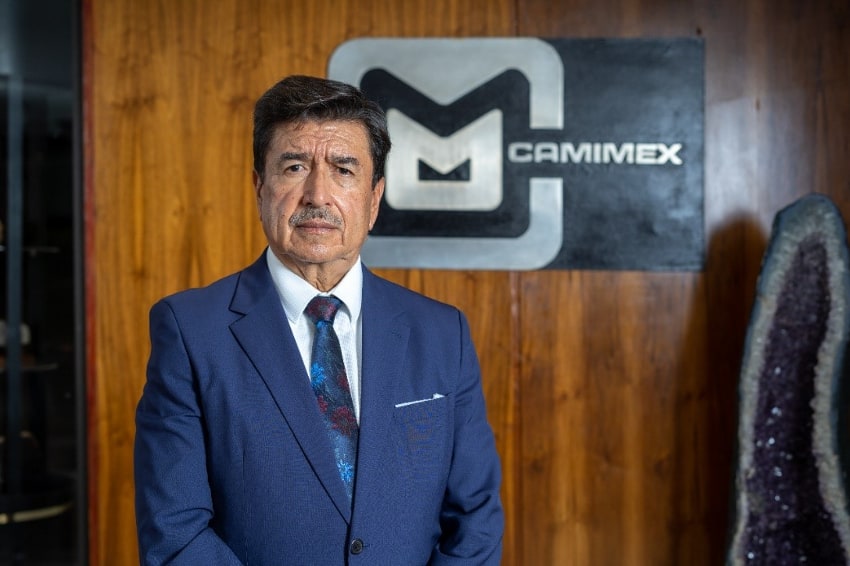
Camimex president Jaime Gutiérrez said that canceling Ganfeng’s concessions – a process the Economy Ministry reportedly began in August – cannot be done because a reform to the federal Mining Law that nationalized lithium in April 2022 isn’t retroactive.
“The validity of the possible cancellation will have to be looked at,” he said during the presentation of a Camimex report.
“It’s not yet done, it’s still in development because the law can’t be considered retroactive. I don’t believe it’s possible to cancel the concessions,” Gutiérrez said.
He said that Mexico needs to issue concessions to exploit lithium reserves because the state, via the Mexican Geological Service, “doesn’t have the sufficient capacity or budget” to mine the alkali metal.
Most of Mexico’s potential reserves are in clay deposits that are technically difficult and expensive to mine. No lithium has yet been mined in Mexico, but the government – which has created a state-owned lithium company and established its own lithium reserve in Sonora – has high hopes for the industry.
The Finance Ministry has estimated that lithium reserves in Sonora – where the countries largest potential deposits are located – could be worth as much as US $600 billion. There are smaller deposits in other states including Baja California, San Luis Potosí and Zacatecas.
Lithium is highly sought after because it is a key component of lithium-ion batteries used for green energy storage and can thus play an important role in the transition to clean energy.
With reports from El Universal, La Jornada and Reuters