If you pass a construction site in Mexico City, Colima, Guerrero, Guadalajara, Puerto Vallarta or pretty much any pueblo or ciudad, you may just hear a different kind of sound. It’s not the usual thud of masonry or the whirr of a concrete mixer, but the gentle murmur of voices counting and sounding out syllables. It’s the sound of adults rediscovering literacy and learning.
Because under a patched tarp, a dozen construction workers in fluorescent vests are sitting at folding tables with notebooks and tablets. A volunteer teacher is writing a grammar exercise on a whiteboard propped against a stack of cement bags. It may seem strange, but look closely, and you’ll see an ordinary workday that’s made room for lessons many of those sitting there thought they’d never return to.
Fundación Construyendo y Creciendo
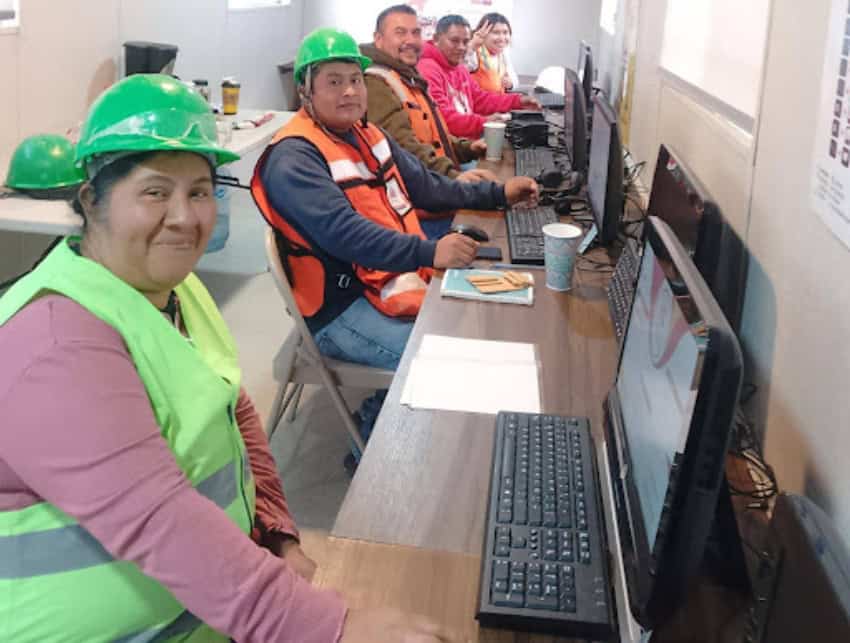
That practical audacity is the point of Fundación Construyendo y Creciendo. Rather than asking workers to come to school, the foundation brings school to them. It includes primary and secondary education, digital-literacy modules, and counseling, all of it installed in spaces within or adjacent to construction sites. Classes run before dawn, during lunch or after the shift ends, the materials are portable, and schedules bend around overtime.
The pitch is blunt and humane: You don’t have to choose between feeding your family and finishing second grade anymore.
The need to bear the model is clear. Many laborers left formal education in their early teens to help at home or migrate for work. Without a diploma, they’re now locked out of technical training, certain supervisory roles, and even basic digital services.
It’s not just about reading or sums. It’s about safety, dignity and being able to do more than muscle work.
Nationwide, the foundation estimates a large share of the construction workforce lacks a complete basic education.

The need for more schooling
“In Mexico, a large portion of construction workers have not completed their basic education,” said Roxana Fabris, president of Fundación Construyendo y Creciendo. “Many of them began working at a young age to support their families, which prevented them from finishing elementary or middle school. The national average level of schooling in Mexico is just over nine years, while among construction workers, it is only about five years. In fact, one out of every 10 construction workers is still unable to read or write.”
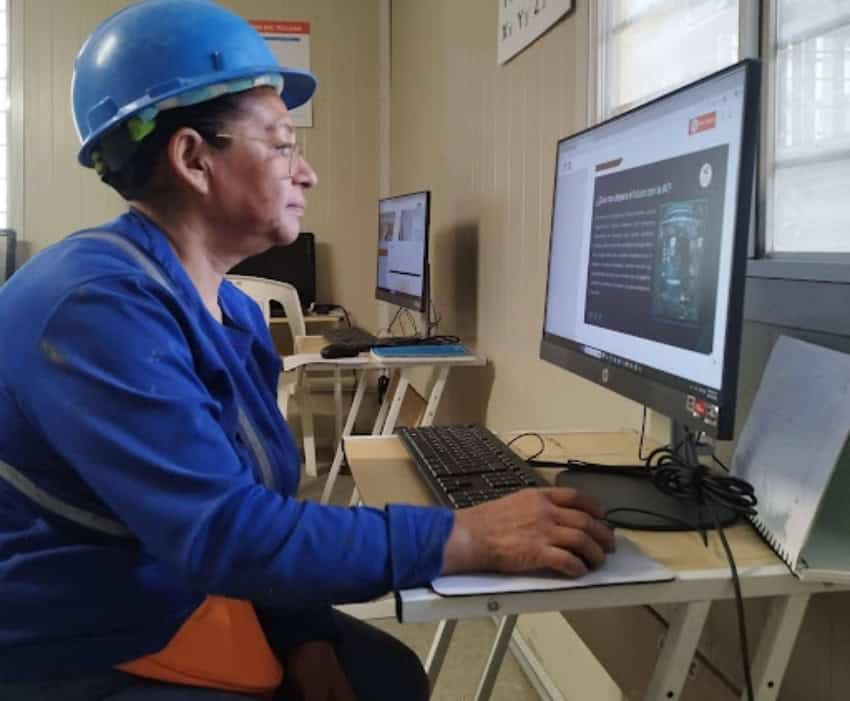
Those stark gaps help explain why the foundation focuses on bringing education directly to job sites.
“Despite being one of the industries that contributes the most to the country’s economic development, the construction sector has the second-highest level of educational lag in the Mexican economy, only behind agriculture and fishing,” explained Fabris. “That is why this program aims to bring educational opportunities directly to job sites.”
Setting up a learning space is part carpentry, part diplomacy, so partnerships are the scaffolding of the operation. Construction companies frequently donate space and allow flexible schedules, along with some fund stipends or materials, as part of corporate social responsibility.
How construction companies are helping
“Construction companies play a fundamental role. They provide the space within construction sites where the classrooms can be installed and allow workers to attend classes. They also participate in activities such as inaugurations and graduation ceremonies, help strengthen the program within their projects, and make a donation that helps keep the classroom operating,” Fabris said.
Fundación Construyendo y Creciendo teams negotiate a quiet corner of a site and retrofit the space with seating. Typical setups are minimalist, including durable tables, a whiteboard and a rack of printed materials.
“Once the space is ready, we equip it with furniture, computers, internet access and all the materials needed for the educational programs, including books, school supplies and online learning platforms,” added Fabris.
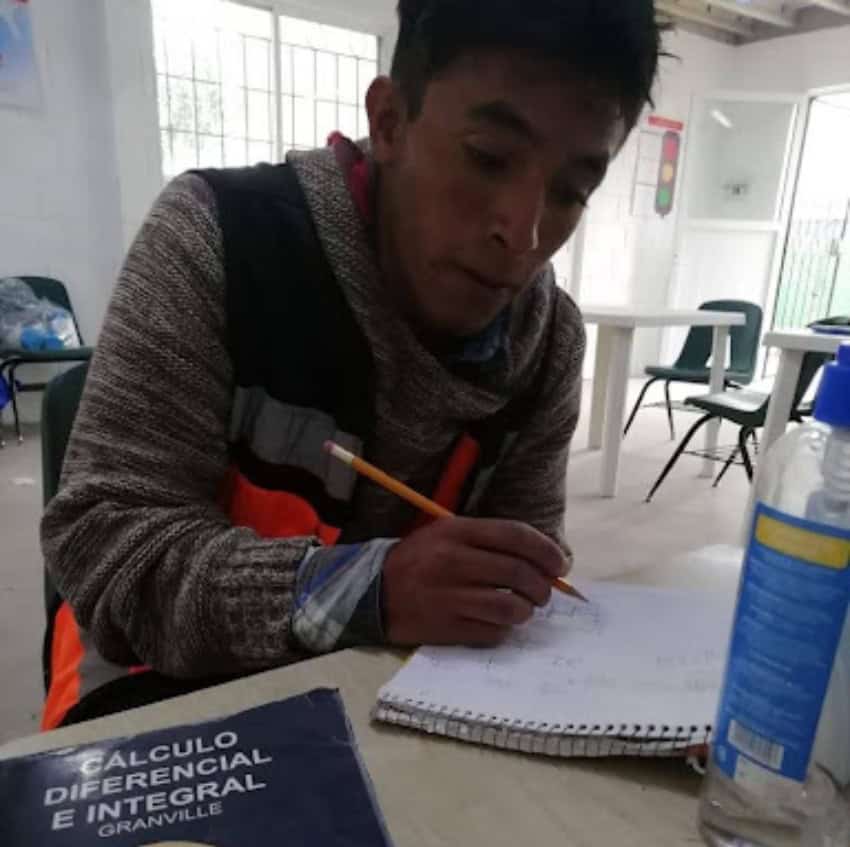
Internet service is patched where possible, but when it isn’t, lessons are designed to work without constant connectivity. The logistical headaches of noise, security, shifting project timelines and the need to store equipment while sites move are never theoretical, but solutions have emerged from iteration. There are modular kits and local volunteers who secure materials overnight.
Logistical challenges
“One of the main logistical challenges is ensuring internet connectivity, since in some cases the classrooms are located in remote or hard‑to‑access areas within the construction site,” Fabris noted. “Even so, we do our best to ensure these spaces have everything workers need to study comfortably.”
The question of how you teach adults who haven’t been in school for years is central to the foundation’s pedagogy. Lessons are contextualized. Math problems use measurements common on site, reading comprehension revolves around workplace safety or consumer tasks, and digital modules teach practical skills like filling out forms or sending job applications. Each participant receives an intake assessment and a learning plan.
“Our process begins with an initial conversation in which we assess the person’s educational background, their level of digital literacy, and their learning interests,” Fabris explained. “If someone cannot read or write, they begin with a literacy program and move on to elementary, middle and high school from there.
The foundation also sees the importance of developing mental and emotional well-being.
Training for life
“We offer a variety of courses and training programs that support both personal and professional development, and a key component of our approach is our Human Development program,” said Fabris. “It provides students with tools that help them make the most of their learning experience and include topics such as self‑esteem, teamwork, leadership and stress management.”
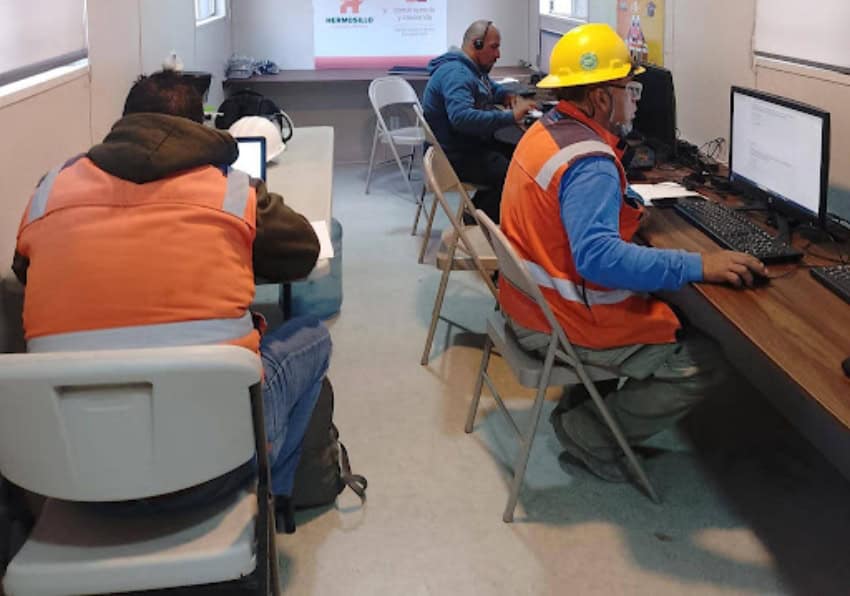
Psychological support is built into the model; teachers emphasize small, visible wins to rebuild confidence.
“The goal is not only to help them become better workers and students, but also better individuals, better parents, and stronger members of their communities,” Fabris emphasized.
Who shows up to these improvised classrooms is revealing. There are men in their 30s and 40s who left school to work, younger apprentices hungry for formal credentials, workers who’ve never had steady access to education, and an increasing number of women who attend classes in nearby community centers.
Some crews participate en masse; in other cases, a single worker studies quietly between tasks. The foundation reports reaching 40,453 enrollments across multiple states, with 101,649 educational services provided, and 278 classrooms installed.
Success rates
Completion rates vary by project, and at present, there have been 26,269 graduates. Fabris observed that overall, those numbers show outcomes are strong.
“This can vary depending on the project and the workers’ job conditions, since many of them are frequently transferred to different construction sites. However, approximately 60% of our students are able to complete their studies within the program.”
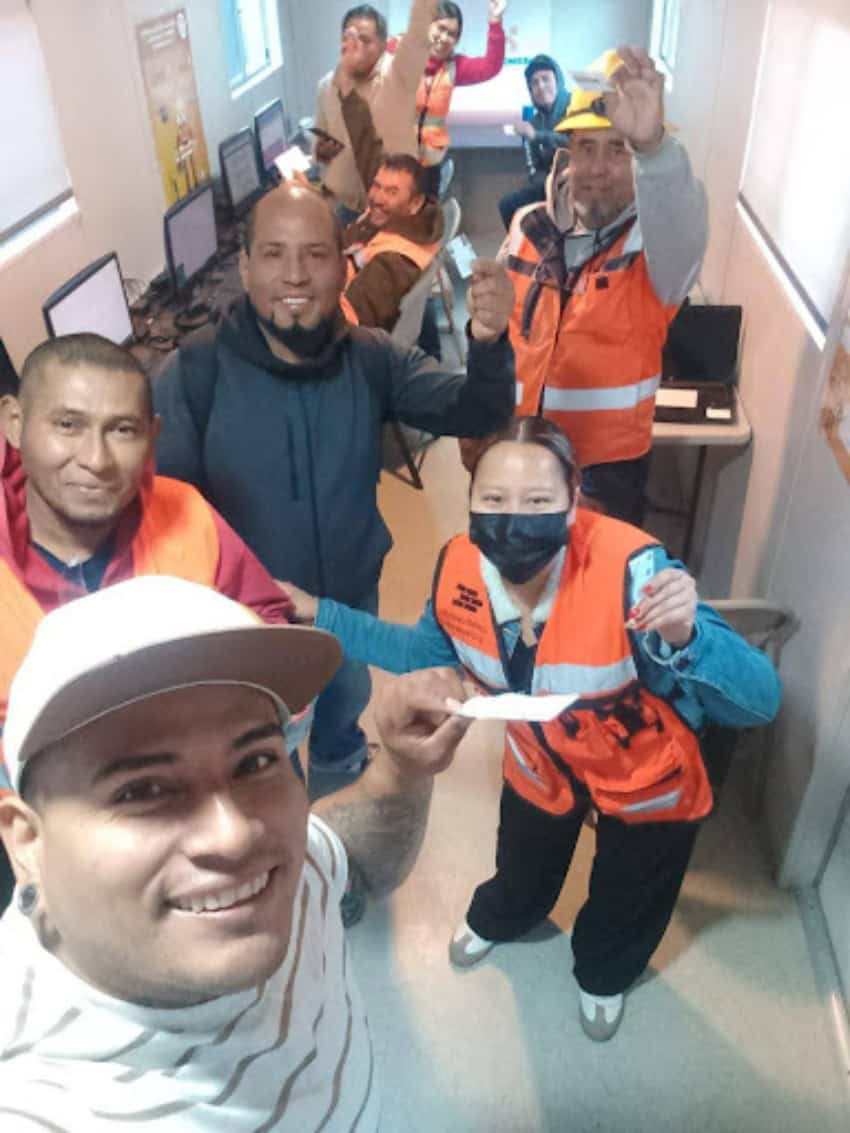
But it’s the human outcomes that matter more than percentages, so apart from just the quantitative outcomes, qualitative indicators like self‑reported confidence and workplace engagement are tracked to measure impact.
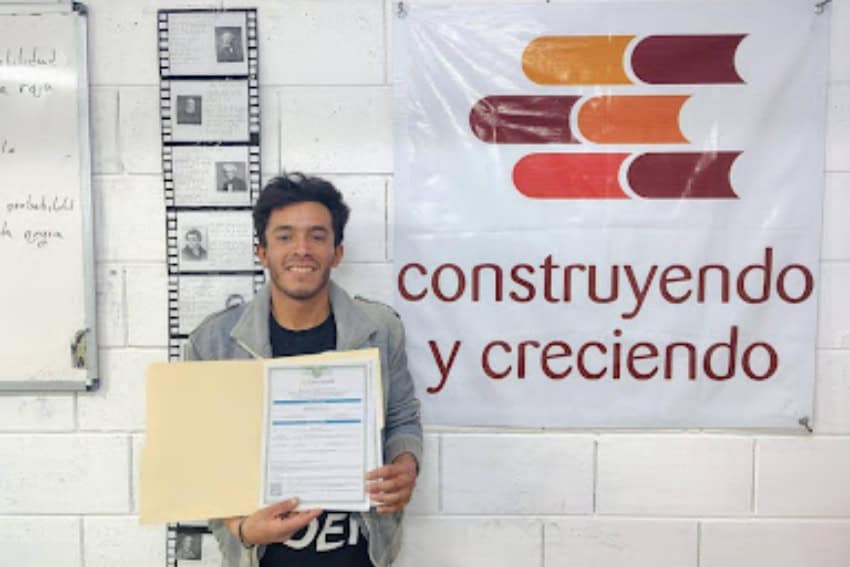
“One of our students is Sebastián, who joined the classroom at the Real Granada site while facing serious challenges with reading,” noted Fabris. “Although he knew how to write, his schooling had stopped in the fourth grade. With guidance, patience and consistent effort, he managed to complete his elementary education and later his middle school studies as well.”
But he didn’t stop there.
Transformative journeys
“He decided to continue with an online high school program filled with challenges and difficult circumstances that tested his determination. With the support of his advisor and the close guidance of the team, he eventually reached his goal. Today, we proudly celebrate the moment he received his high school certificate. For him, this achievement represents much more than a document; it is proof that perseverance, support and confidence can truly transform lives.”
Emotionally, returning to school can be a bumpy journey. People arrive wary of humiliation and sometimes ashamed of long absences from formal education. What teachers say they most often see is relief. Students are surprised at how quickly they recover literacy skills, and that leads to a steady growth in self‑esteem.
Fabris noted that the confidence shift has ripple effects, with workers taking on more responsibility, speaking up in meetings, and imagining futures beyond manual labor.
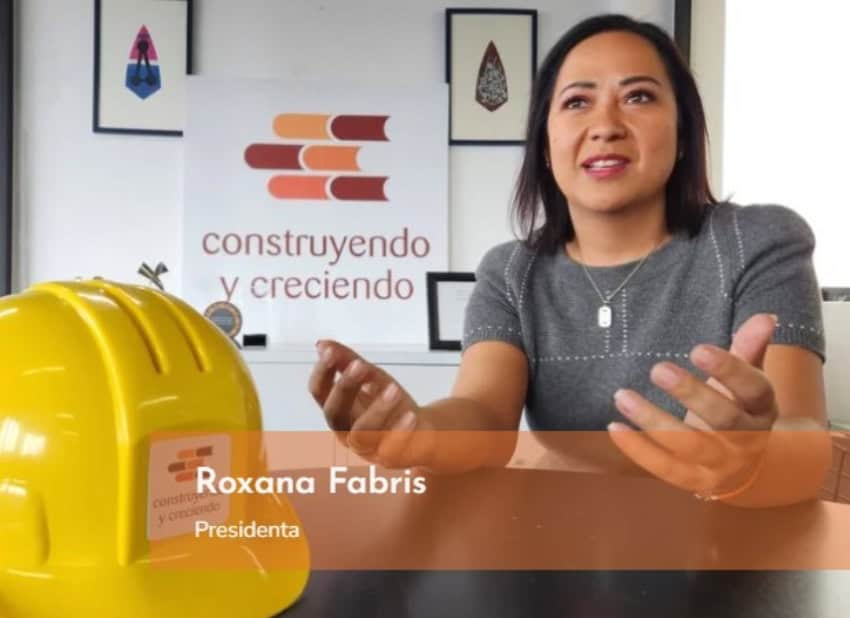
“Many of them feel extremely proud and happy to return to their studies. At first, there may be some nervousness or insecurity, but over time, they begin to regain confidence in themselves. Going back to school often becomes a powerful motivation for building a better future for themselves and their families.”
Funding and other challenges
Educational institutions and government agencies help validate curricula and enable certifications, though aligning bureaucratic timelines with the fast cadence of construction projects remains a continual challenge.
Funding is a mixed model of corporate sponsorships, grants and in‑kind donations. The persistent obstacle is securing long‑term, predictable financing for scaling and maintaining operations in remote or highly mobile sites.
“As a nonprofit organization, we depend heavily on the support of partners and donors, and sometimes companies do not initially see programs like this as a priority investment, so we continually work to raise awareness about the positive impact education has on workers’ lives and on society as a whole,” Fabris said.
Running the program isn’t romantic, but it does have its rewards.
“One of the biggest challenges we faced was the COVID‑19 pandemic. It required us to provide distance education to vulnerable populations with limited access to technology. We responded with a program that proved to be highly successful. In fact, in 2021, we were honored with the UNESCO International Literacy Prize, becoming the first Mexican foundation to receive this recognition,” Fabris noted.
Bringing education to more adults
The foundation’s long‑term vision is expansive: deeper integration with vocational training pathways, geographic expansion to more cities and sectors, and a normalization of workplace‑based adult education so that learning is a permanent element of employment in construction and similar industries.
“Our vision is to reach all construction workers who face educational gaps and provide them with the tools they need to improve their human development indicators. Not only for their own benefit, but also for their families and communities. At the same time, we aim to bring them closer to an increasingly digital world, helping close the digital divide so that, as the United Nations Sustainable Development Goals state, no one is left behind,” Fabris said.
There are already moves to adapt the model beyond construction.
“We have already begun installing classrooms in other industries where workers face similar educational gaps. To support this vision, we are also strengthening our institutional capacity so that our model can be replicated and scaled. In Mexico, there are still many cities where we could expand. Whenever a construction company wants to support its workers, Fundacion Construyendo y Creciendo will be there,” Fabris added.
Future possibilities
If there were one change that could reshape access to education for Mexican workers in all sectors, Fabris says it would be structural funding and policy that recognizes adult, workplace‑based learning as essential, not peripheral.
“I would make education more accessible and flexible for working people. Many workers genuinely want to continue studying, but long workdays and limited nearby opportunities often make it difficult. Bringing education closer to workplaces has proven to be one of the most effective ways to reduce those barriers,” Fabris stated.
Until that happens for all of Mexico’s workers, Fundación Construyendo y Creciendo is doing the messy, necessary work of folding education into the daily lives of people who build the country, one makeshift classroom, one completed worksheet and one newly confident reader at a time.
For more information on Fundación Construyendo y Creciendo, visit their website or follow their LinkedIn, Facebook and Instagram channels.