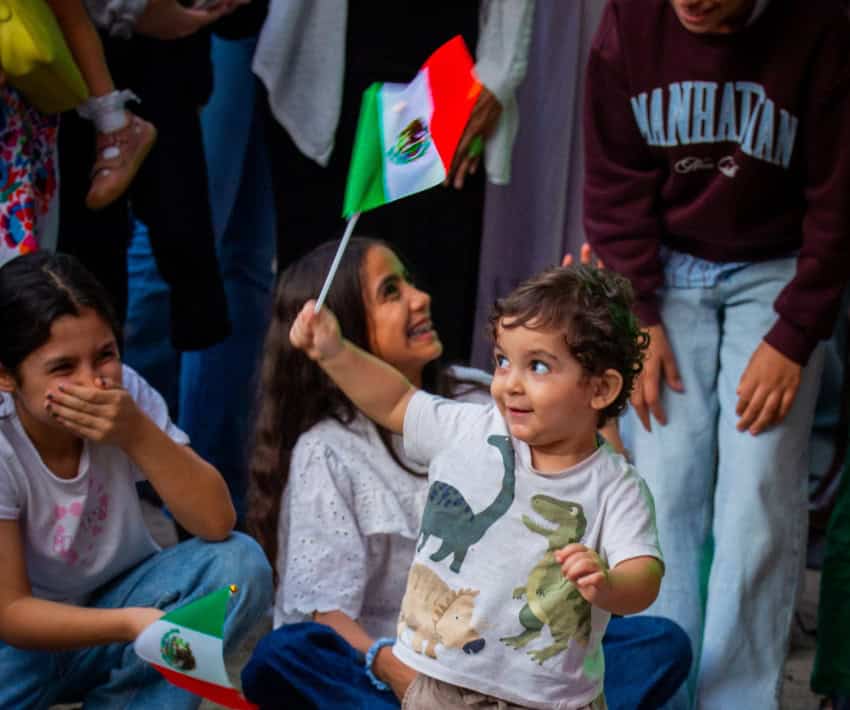
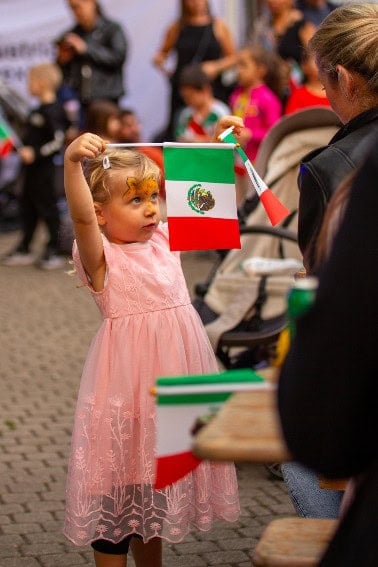
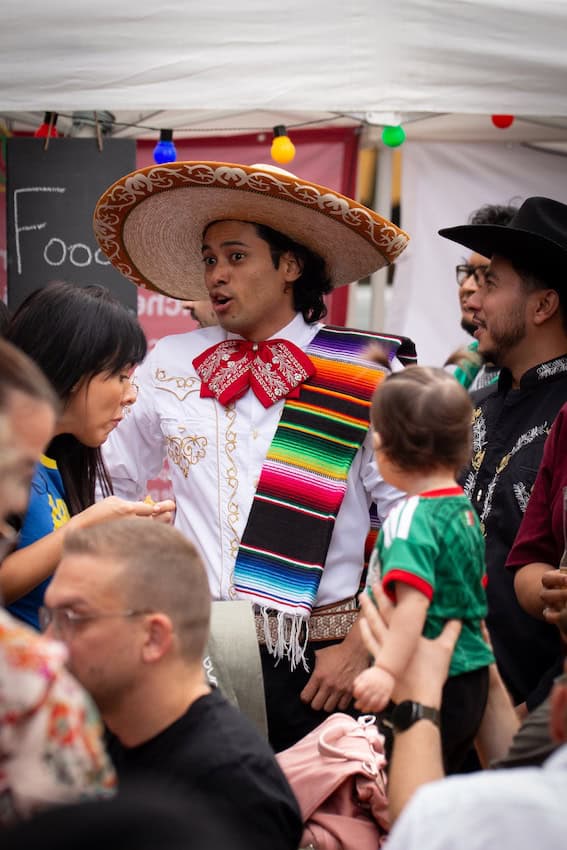
The little boy, perhaps 3 years old, had everyone’s attention, dancing unrestrained and joyous with his little Mexican flag.
For that moment, he had traded schnitzel for tacos.
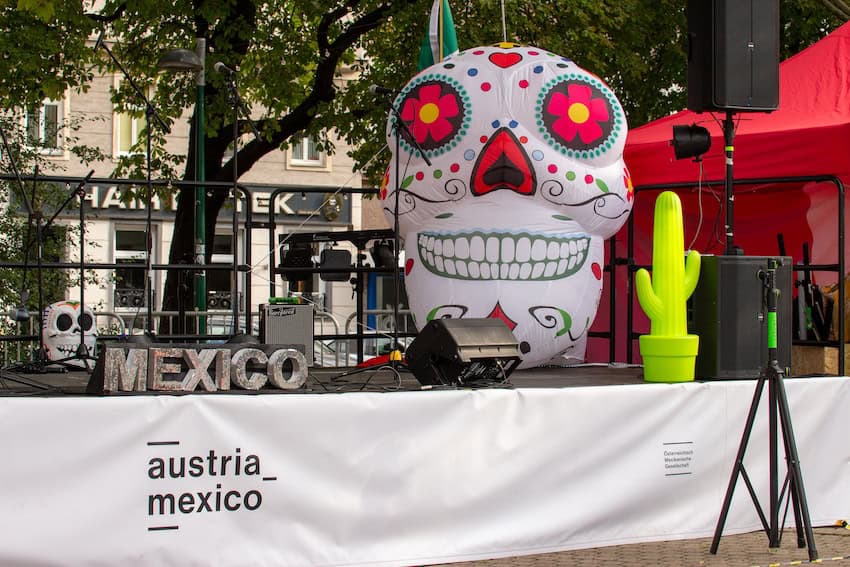
Mexico’s Independence Day was celebrated Sept. 12 in Vienna, Austria, for the city’s few but proud Mexican residents in a place appropriately called Mexikoplatz.
The square’s name recognizes a little-known act of courage when, in 1938, Mexico became the only country to lodge an official complaint with the League of Nations against Adolf Hitler’s annexation of Austria.
A Grito de Independencia fit for Vienna
According to Javier Basulto, a minister at the Mexican Embassy in Vienna, there are roughly 2,500 Mexicans living in all of Austria. The embassy, which also represents Mexico in Slovakia and Slovenia, coordinated the celebration alongside the Mexico-Austria Association.
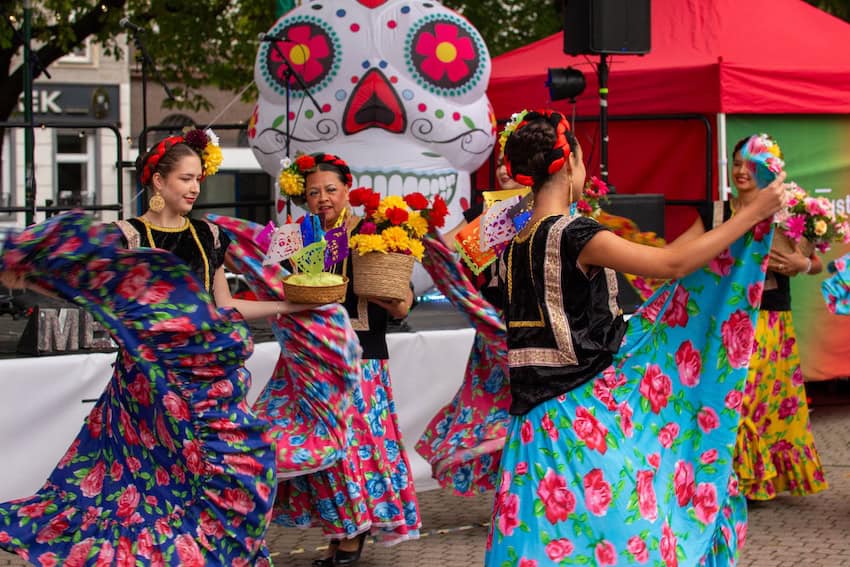
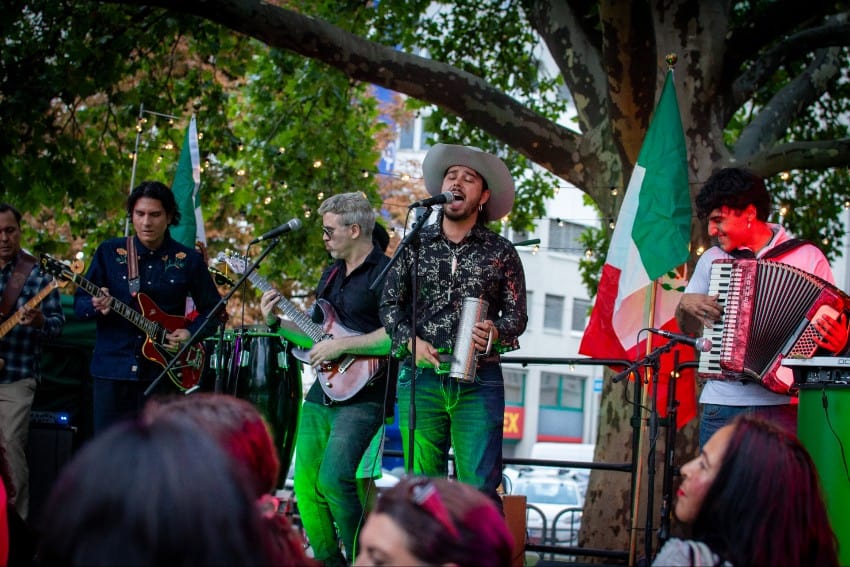
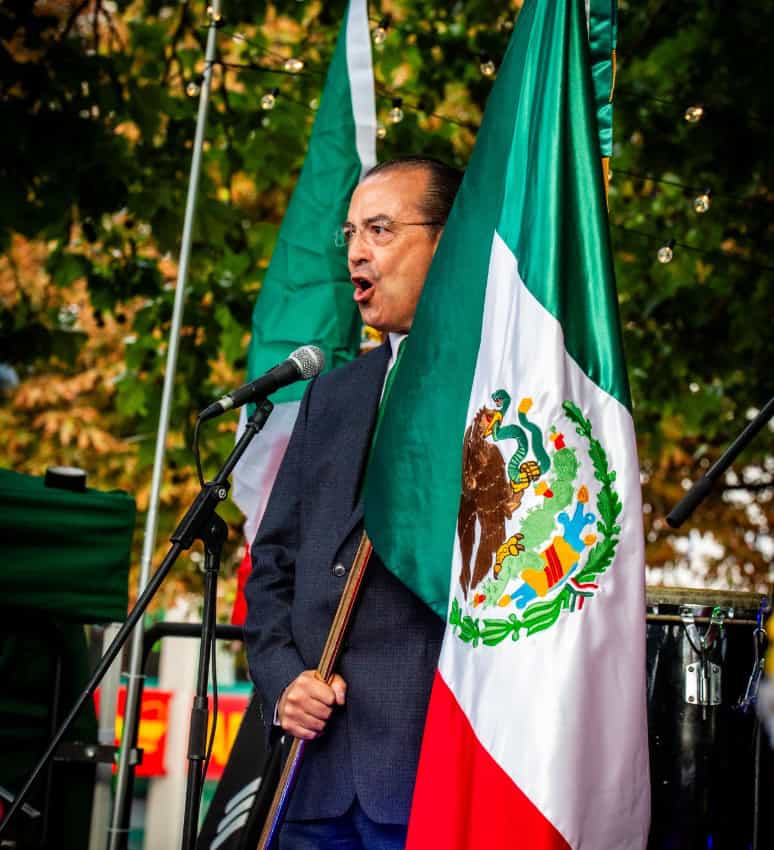
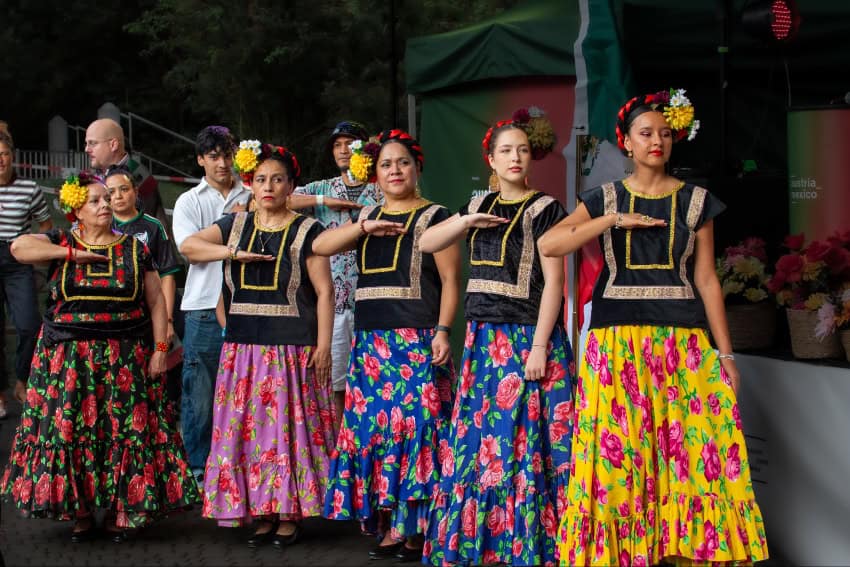
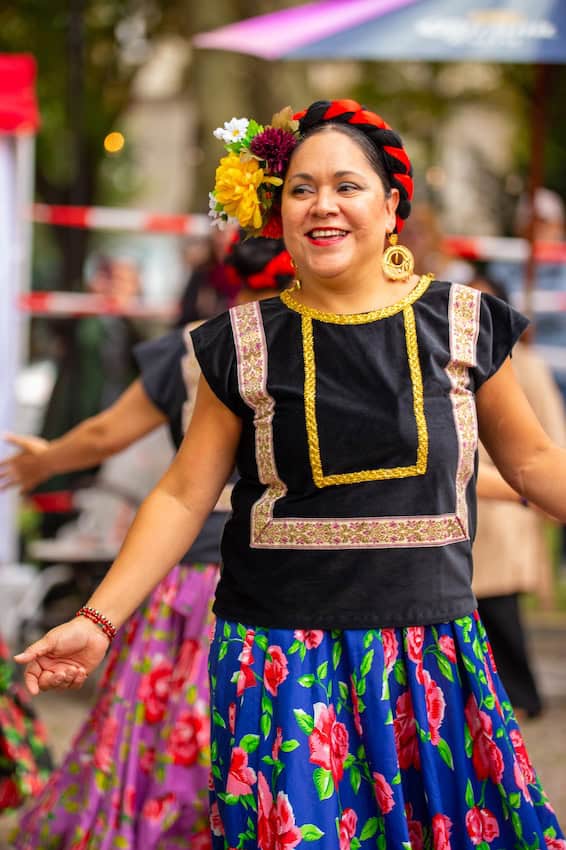
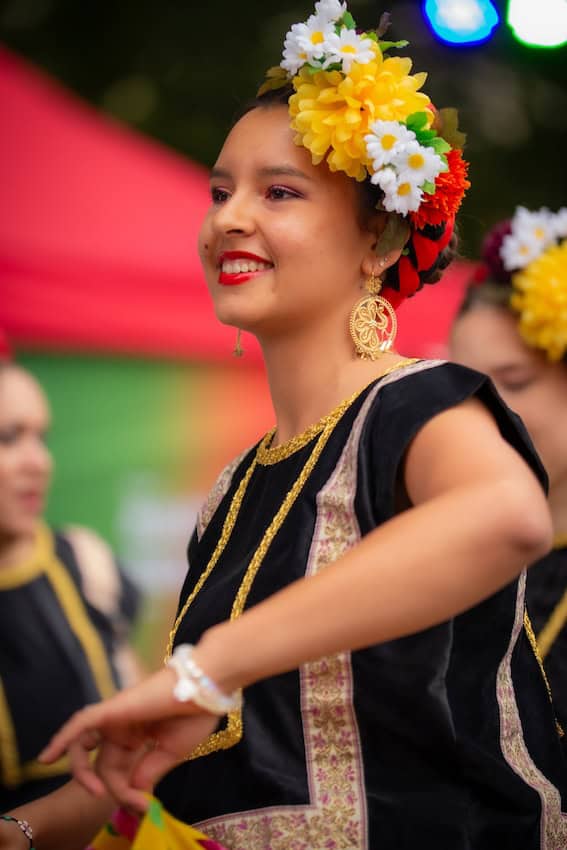
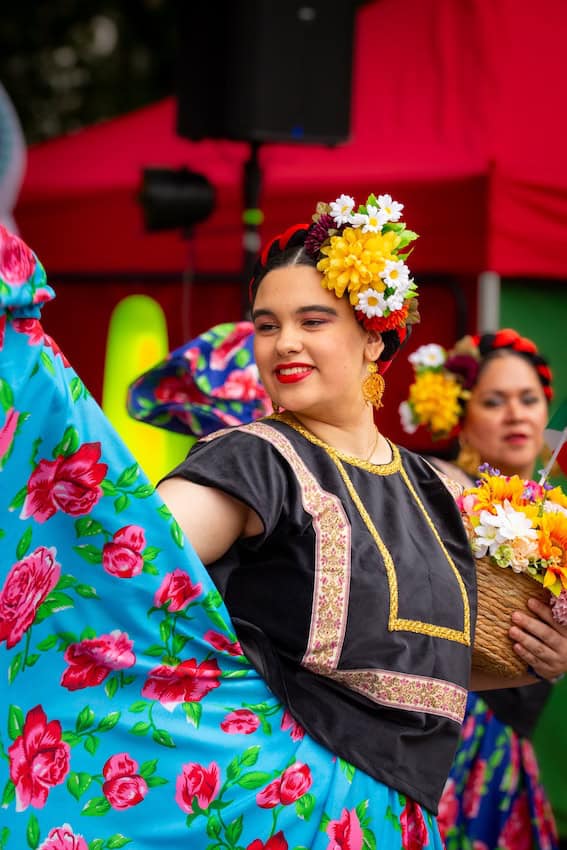
The event showcased traditional dancers, food stands, a cumbia band and even a Grito de Independencia performed by the ambassador himself, José Antonio Zabalgoitia Trejo.
While dancers in Oaxacan dresses warmed up the gathering crowd, it was the Grito de Independencia that officially started the party.

While the ambassador didn’t have a roaring crowd of 300,000 and extravagant fireworks displays, like in Mexico City’s Zócalo, the roughly 500 people in attendance cheered with no less fervor.
Mexico and Austria’s shared history
Despite the jubilant atmosphere, there’s an irony to the whole thing.
In 1864, Habsburg dynasty Emperor Maximilian, younger brother of Austrian Emperor Franz Joseph, was installed as emperor of Mexico, with the backing of Napoleon III of France and Mexico’s conservative faction at the time.
He and his wife, Carlota, transformed Chapultepec Castle, formerly a military college, into a European-style imperial residence that reflected the Habsburg world Maximilian had left behind.
However, it was all for naught. After France withdrew its troops, Benito Juárez’s Republican forces closed in on the crumbling empire. Maximilian was captured at Querétaro in 1867 and executed by firing squad, effectively restoring the Mexican Republic.
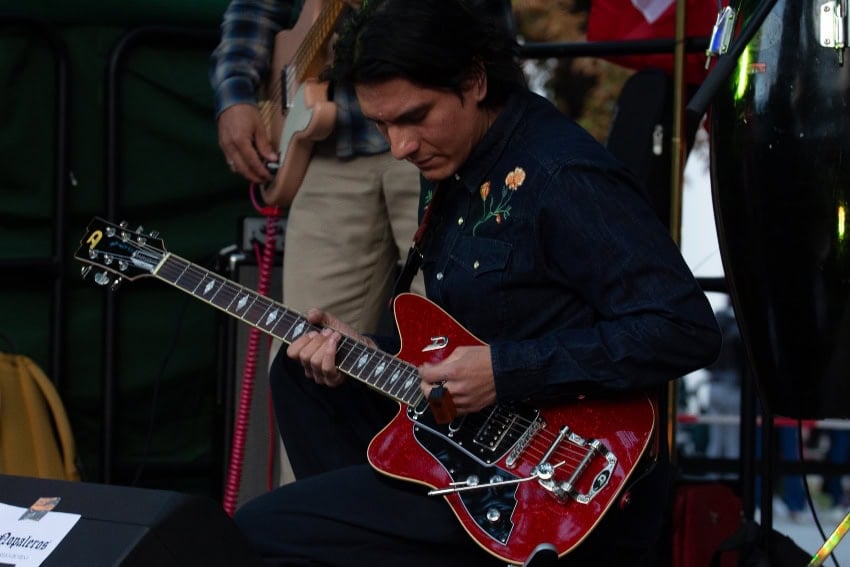
But who thinks about executions when a cumbia band is playing, right?
Enter Los Nopaleros, a Vienna-based cumbia and psychedelic Latin-rock band whose members hail from Mexico, Argentina, Colombia and Austria.
The buoyant mood saw kids and the elderly dancing arm-in-arm, as the ambassador was showered with compliments and congratulations.
The wholesome Vienna celebrations were a far cry from the boozy Cinco de Mayo activities that often make headlines in the U.S., and which many mistakenly believe honor Mexican independence
Two distinct cultures, one shared spirit
It’s easy to write events like the one in Austria off as quaint, but they are undoubtedly significant for small communities.
The cultures of Mexico and Austria could hardly be more different. Just compare cumbia to waltzing. The contrasting styles need little explanation.
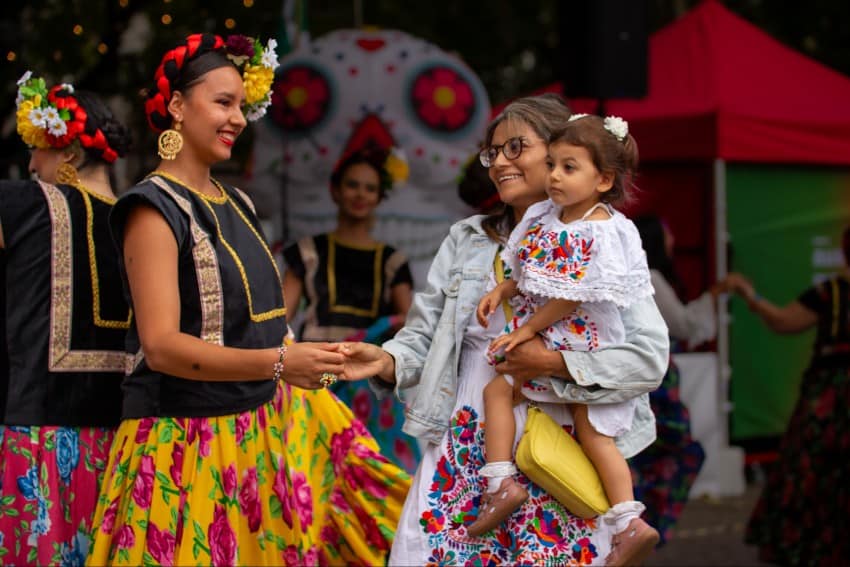
But small communities all over the world keep themselves alive in much the same way: with food, music, stories and the occasional excuse to crowd together in a public square.
Somewhere in that crowd, the little boy was still dancing, tiny Mexican flag in hand.
For a few hours in Vienna, Mexico was not 6,000 miles away. Its spirit could be felt right there in Mexikoplatz.
Jimmy Monack is a teacher, photographer and award-winning writer. He profiles interesting people all around the world as well as writing about and photographing rock concerts. He lives in Mexico City. www.jimmymonack.com