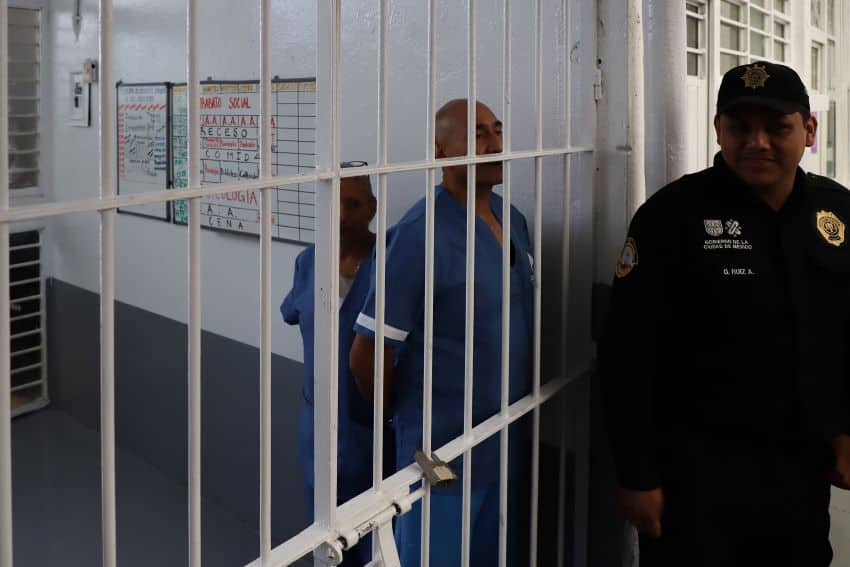
If you’re caught driving and drinking in Mexico City, chances are you’ll get to spend a night in the Administrative Sanctions and Social Integration Center, where people who exceed the legal alcohol limit can be detained. Never heard of it? Odds are you have, but by a different name: El Torito.
The reasons someone may be taken to El Torito include failing a breathalyzer test, drinking alcohol in prohibited areas or obstructing public roadways. While all states across Mexico have a dedicated area for these kinds of infractors, only people in Mexico City and a few cities in the country, including Guadalajara, call it El Torito. You’re probably wondering why.
Why is it called El Torito?
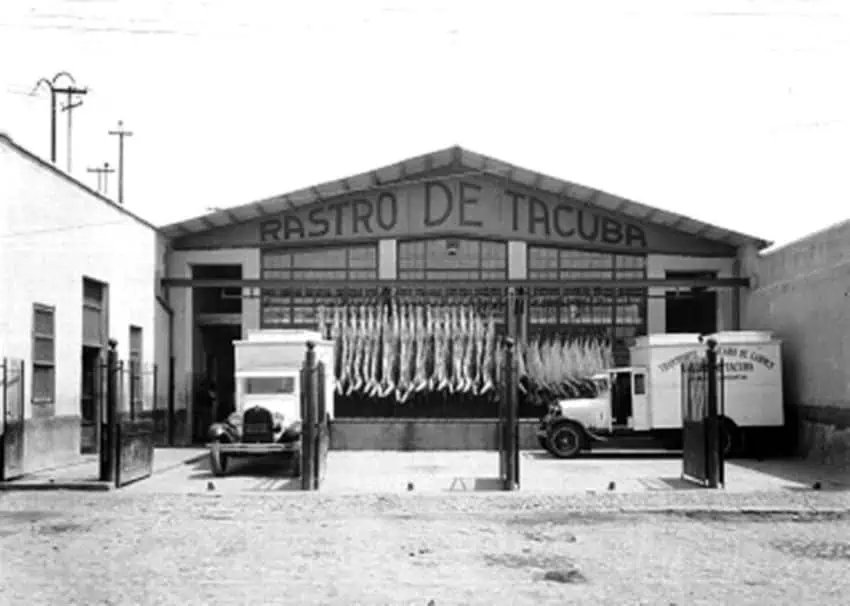
All other cities that call their drunk tanks El Torito do so because of the one in Mexico City, whose nickname has historical significance linked to the site’s past. Located in the neighborhood of San Diego Ocoyac, in Miguel Hidalgo, it was inaugurated on October 28, 1958, by President Adolfo Ruiz Cortines.
The center was established on the site of a former slaughterhouse, hence the name “El Torito,” which literally means “the little bull.”
How do people end up in El Torito?
At “retenes” (checkpoints), strategically located across the city, police officers randomly select drivers to take a breathalyzer test. Those whose blood alcohol concentration exceeds 0.8 grams per liter or whose breath alcohol level exceeds 0.4 milligrams per liter are taken to El Torito.
Drivers under the influence of narcotics, intoxicants or psychotropic drugs are also taken to the center, where they spend between 20 and 36 hours, while their vehicle is taken to a “corralón,” or city impound lot.

The breathalyzer is part of the Drive Without Alcohol program, which began in 2003 with the goal of preventing alcohol-related road accidents. According to authorities, this program has reduced fatalities by 70%.

The administration of El Torito prides itself on the humane treatment of inmate, and the center’s scope is not strictly punitive. During their stay at El Torito, detained drivers receive medical and psychological attention, as well as integration activities to prevent recidivism. The center can hold up to 72 men and 52 women, the latter of whom are assigned to a women’s wing run by female personnel. El Torito sees its greatest number of inmates during the holidays— but the menu is also exceptionally good those days.
What inmates eat at El Torito?
Local media typically covers the number of inmates during holidays, and the menu for those days.
The menu on Christmas Eve 2024 included rice, romeritos with potatos and prawns, fried beans and fresh juice. Meanwhile, the food served on New Year’s Eve included pasta soup with cream, pozole with lettuce, radish and tostadas and fresh juice.
With reports from El País, TV Azteca and El Economista