The over 3,000-kilometer-long border that divides the United States of America and Mexico has been contested, drawn, redrawn, militarized, enforced and ignored throughout its 500-plus-year history, but one thing it has always been is crossed.
Until recent backlash toward U.S. immigrants in Mexico, the directional flow that received the most attention was Mexican workers heading north to the United States, but the story of the border is not one-sided. Since their inception, both countries have been home to immigrant populations from their neighbor.
In our ongoing series about Mexico City’s immigrant culinary scene, today we’re going to talk about the biggest immigrant group in Mexico — U.S. citizens.
A history of US immigration to Mexico
There was likely constant movement across what is now the border during the continent’s pre-Hispanic era, with Indigenous groups migrating as they followed animal herds and the changing seasons. There is even a far-flung theory that the mighty Mexica, whose origin story has them migrating from the mythical Aztlán, came from a region in what is now the Southwestern United States or Northeastern Mexico.
Once the Spanish began to claim vast areas of northern Mexico and the western territories during the colonial period, there were traders, smugglers, merchants and military deserters who crossed into the borderlands of the Spanish colony from the British colony next door.
After Mexico won its independence from Spain, the new republic encouraged U.S. settlers to move to what is now Texas through the empresario program — developed to attract settlers to the area to serve as a buffer between the United States and Mexico as well as the raids carried out by the area’s native tribes. The program offered large tracts of land in return for settlers becoming Mexican citizens and, at least nominally, professing to be Catholic, the official state religion.
The destinations favored by US immigrants
By the 1830s, there were about 7,000 settlers in the area, including many landowners from the Southern United States and their enslaved Black people. Mexicans started to realize it might have been a mistake to invite them over, as most immigrants refused to assimilate and continued to consider themselves U.S. citizens. The Mexican government passed strict immigration laws, outlawed slavery and implemented other measures to try and enforce control over the area, but by this time there were 30,000 Anglo-Americans, as well as native Tejanos and European immigrants in the region. Tensions eventually led to the Texas Revolution, a fight for regional independence that ended in Mexico losing a massive chunk of its territory.

During the various presidential administrations of Porfirio Díaz (1876-1910), Mexico was actively seeking investment from the United States, which brought oil barons, mining companies, railroad builders, farmers and engineers south. Many of these arrivals didn’t become permanent citizens but instead long-term residents. The largest communities popped up in Sonora, Chihuahua, Coahuila, Mexico City and the Gulf Coast oil regions, and suddenly Americans became Mexico’s largest immigrant group at 15,000 to 20,000 strong.
In the post-revolution years, immigrants from north of the border came for the culture, artistic freedom, and thriving social and political movements. These years saw the biggest migration into Mexico City, with famous poets, writers and artists all finding their way to the capital.
US immigrants in Mexico City
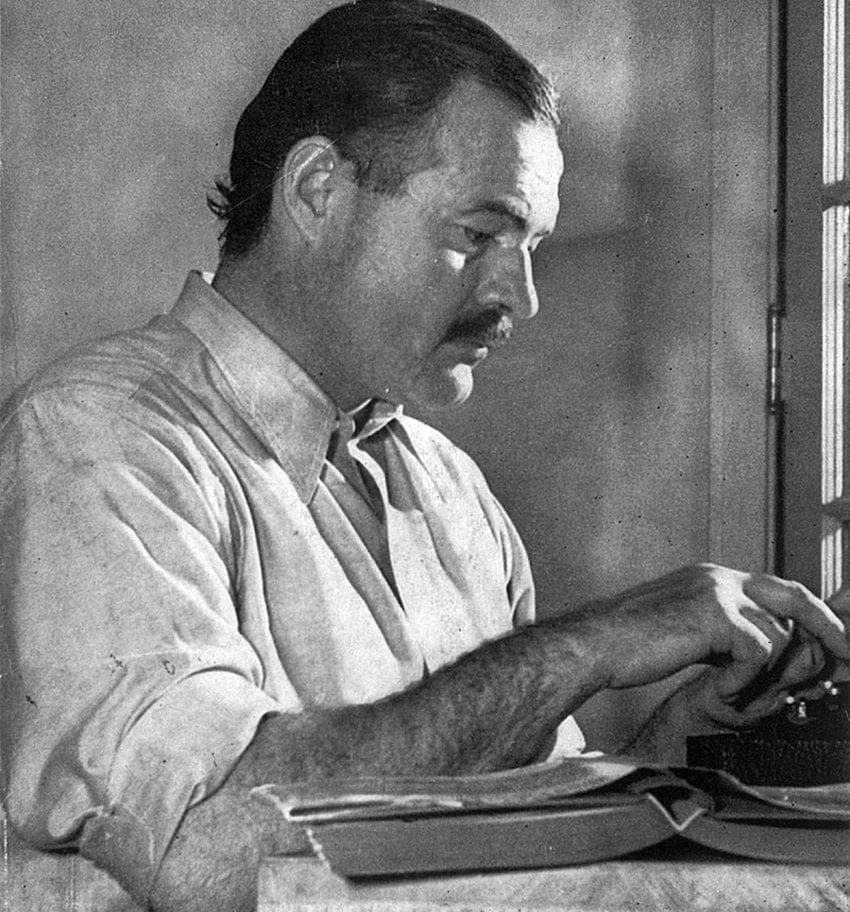
Ernest Hemingway spent time in Mexico City, as did other poets and authors such as William S. Burroughs, Jack Kerouac and Langston Hughes. It was a time of artistic and nationalistic fervor, but also of an open-arms immigration policy toward the U.S. and Europe, especially the flight of Europeans in the lead-up to World War II and the Nazi invasions of European cities.
The most recent wave of U.S. transplants has been happening since the early 2000s and slightly before. During those years, Mexico City has gotten progressively safer and more well-known as a creative hub and food destination.
A trickle of immigrants over the years became a flood during the pandemic, when Mexico City’s laxer shutdown policies, as well as its mild, consistent climate, vibrant city life and rents that felt very affordable to folks paying outrageous prices in major U.S. cities, became more of a temptation than people could resist. This, combined with many industries transitioning to remote work, meant tourists who at one time might have just visited decided to stay.
The impact of immigration on Mexico City’s dining and drinking scenes
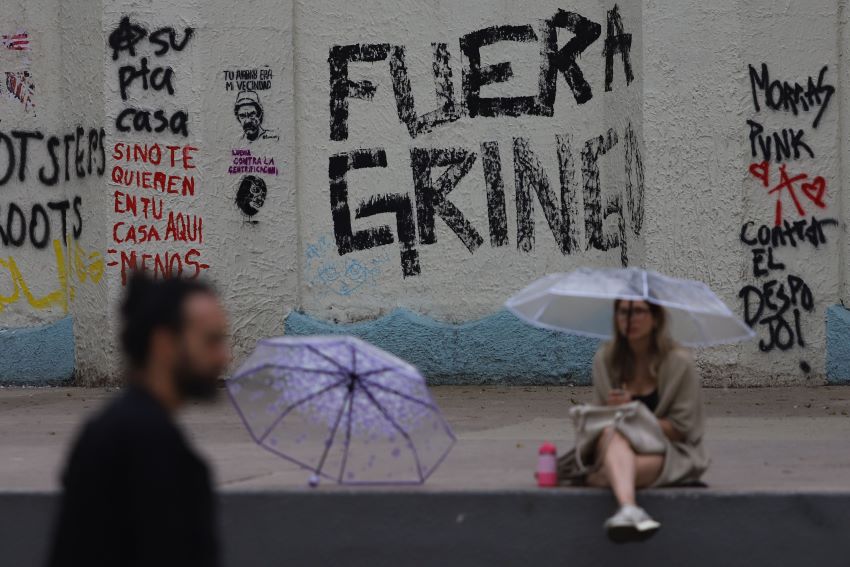
The influx of both permanent residents and temporary visitors has been fueled by the city’s increasingly exciting dining and drinking scene, the most important art scene in Latin America, and lots of attention in the international press and on social media. According to Mexico’s official census in 2020, there were around 19,000 U.S. citizens living in Mexico City (out of the roughly 105,000 foreigners citywide). There’s likely been quite a bump in population since then, but even if that number has doubled (which is doubtful), it would still represent 0.42% of the 9 million people who live in Mexico City proper. The presence of estadounidenses, however, is felt more acutely because they are concentrated into just a handful of central neighborhoods like Roma and Condesa.
There’s been a lot of debate about this most recent wave of U.S. immigration, some of which we have covered at MND, but the undeniable truth is that U.S. transplants have been integrated into the city for generations and will likely continue to do so for generations to come.
When it comes to food, the United States doesn’t get to claim progeny over much cuisine. Most of the food that’s become iconic there was transported in the hands of immigrants to the U.S. and once there given a particular local spin. Recognizing that, and understanding that exploring dishes’ origin stories would be more space than we have here, there are a few things that are famous from north of the border — barbecue, fried chicken, the New York-style bagel and donuts are all on that list.
Barbecue, fried chicken and bagel specialists in Mexico City
View this post on Instagram
While nothing beats barbecue in its birthplace in the U.S. Southeast, Pinche Gringo in Narvarte will give you a nice hit if you are craving a saucy, tangy bundle of slow-cooked goodness. There are other barbecue joints in the city, but Pinche Gringo is the OG and, in my opinion, the best.
For fried chicken, Hot Mamma’s in Condesa does a good version, but I like to order it plain with additional sauces on the side (they have what they call their hot chicken on the menu with a powdery spice rub, but plain is better). Lumpy’s, despite having a horrible name, isn’t a bad option either for some down-home style fried chicken.
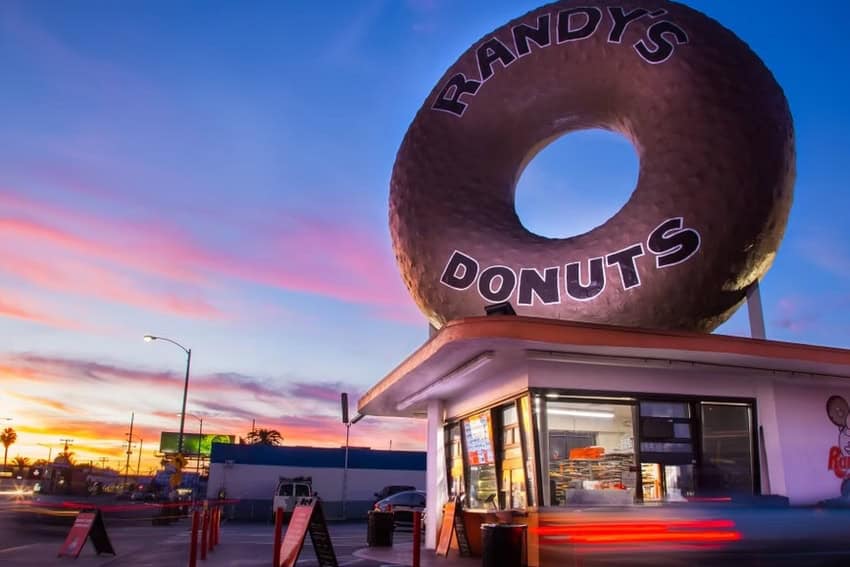
For a classic bagel and lox or some housemade pastrami, Mendl in Condesa is my pick, and Randy’s, originally from Los Angeles, has the best donuts you will find in the city. I have yet to have Chicago-style deep-dish pizza or New England clam chowder here, but I know places that serve both.
Food from the U.S. holds an important place among the city’s diverse food scene. It’s not only for foreigners craving a taste of home, but for the many Mexicans who have spent years working or traveling in the U.S. and who have cultivated a gusto for these classics.
Lydia Carey is a freelance writer and translator based in Mexico City. She has published extensively both online and in print, sharing her insights about Mexico for over a decade. She lives a double life as a local tour guide and is the author of “Mexico City Streets: La Roma.” Follow her urban adventures on Instagram and see more of her work at mexicocitystreets.com.