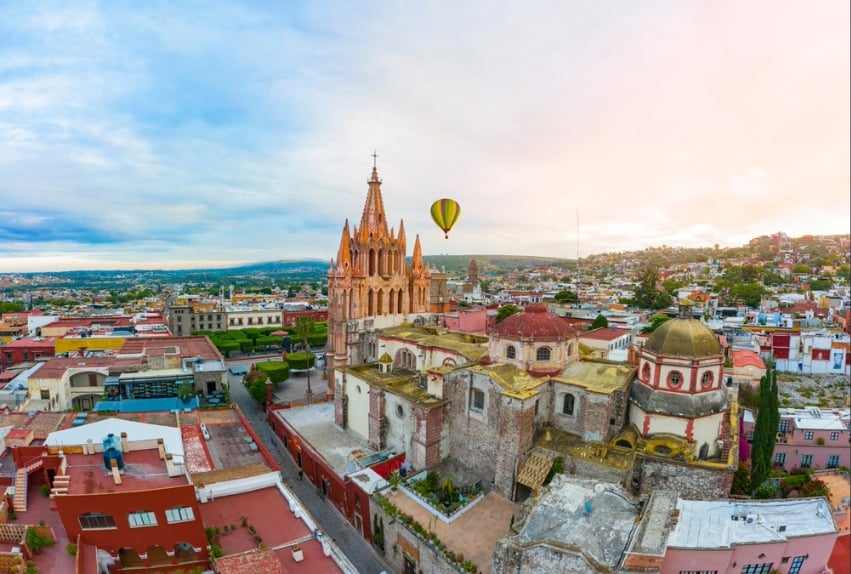
San Miguel de Allende’s colonial streets and centuries-old architecture bear the names of some of Mexico’s most prominent historical figures. From leaders of the revolution to artists and architects, San Miguel is a living history lesson around every turn. So when you are strolling the gardens in San Miguel’s parks or walking down some of its most historic streets, here are the prominent figures that give their names to San Miguel’s most iconic sites.
Ignacio Allende
Ignacio Allende, a leader of the Mexican Revolution against Spain and the namesake of San Miguel de Allende, is the most prominent Mexican historical figure born in San Miguel.
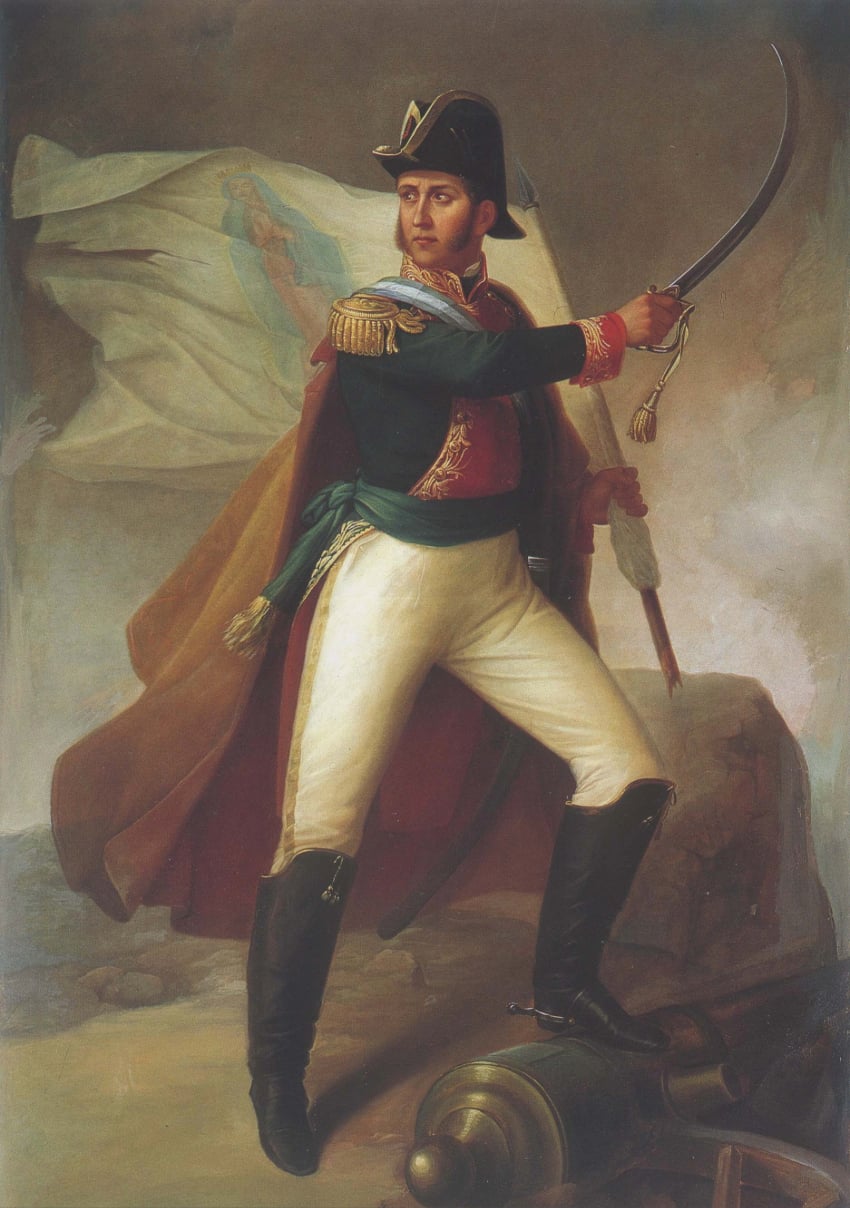
The son of wealthy Spanish colonists, Allende enlisted with the Spanish army in Mexico before joining the underground independence movement. Eventually, Allende was named lieutenant general of the Revolutionary Army with Miguel Hidalgo y Castillo serving as Captain General.
The two succeeded in winning early victories, but were pushed back towards Guadalajara after failing to march on Mexico City. Hidalgo and Allende, despite greatly outnumbering the royalist forces, were defeated at the Battle of Calderon Bridge in Jalisco. This caused the insurgent troops to oust Hidalgo as their leader and install Allende as the head of the revolution.
Allende attempted to move north towards the United States in the hope of making powerful allies with the Americans. However, he was ambushed by royalist forces and taken to Chihuahua, where he was tried and executed by firing squad on June 26, 1811.
San Miguel de Allende was named after him when it became a city in 1826. The Plaza Ignacio Allende in Centro and the Instituto Allende on Salida a Celaya bear his name. Municipalities in six other Mexican states, including Chihuahua, Nuevo León and Jalisco are named after him.
Benito Juárez
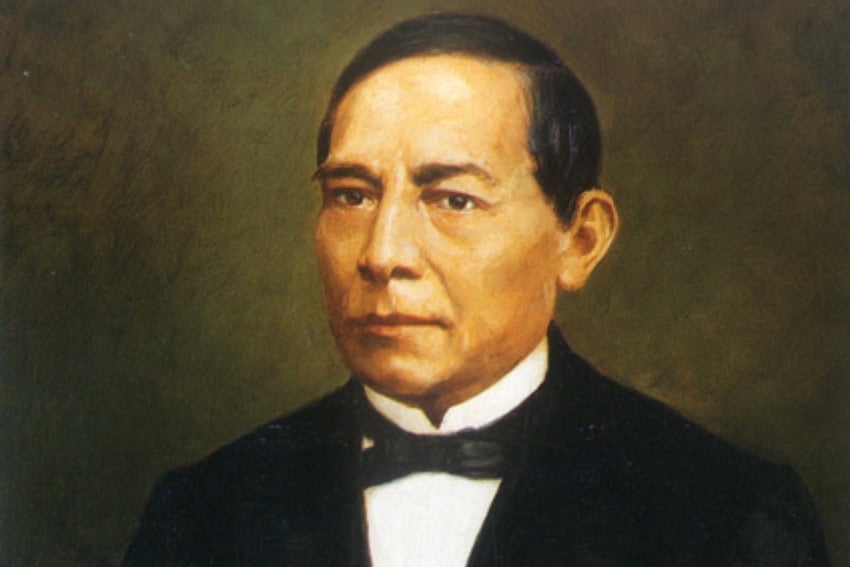
Benito Juárez is one of the most famous historical figures in Mexican history, becoming the first Indigenous president after winning the Reform War and helping to fight off monarchist troops during the French invasion. Benito Juárez Park, about two blocks south of the Parroquia de San Miguel Arcángel, is named after him.

Juárez walked nearly 30 miles to Oaxaca City when he was young to find work, eventually becoming a lawyer. He became the governor of Oaxaca in 1847, but was later exiled by the dictator Antonio López de Santa Anna and he fled to New Orleans, Louisiana.
Juárez later returned as a member of the Reform Party, but was imprisoned as Mexico began to fracture in civil war. After the conservatives won early battles, the liberals regrouped and were able to triumph. Juárez then became the first Indigenous president after assuming the role in 1861.
His problems were far from over, however, as the French — at the invitation of Mexican monarchists — invaded central Mexico and installed Austrian royal Maximilian as emperor. After fleeing north and narrowly escaping death, Juárez received a massive loan from the United States that reinvigorated the Republican troops, eventually forcing the French to flee.
Juárez once again assumed the role as the leader of Mexico, and executed Maximilian despite pleas for clemency. Juárez served for over 14 years as president before dying of a heart attack while still in office in 1872.
Zeferino Gutiérrez
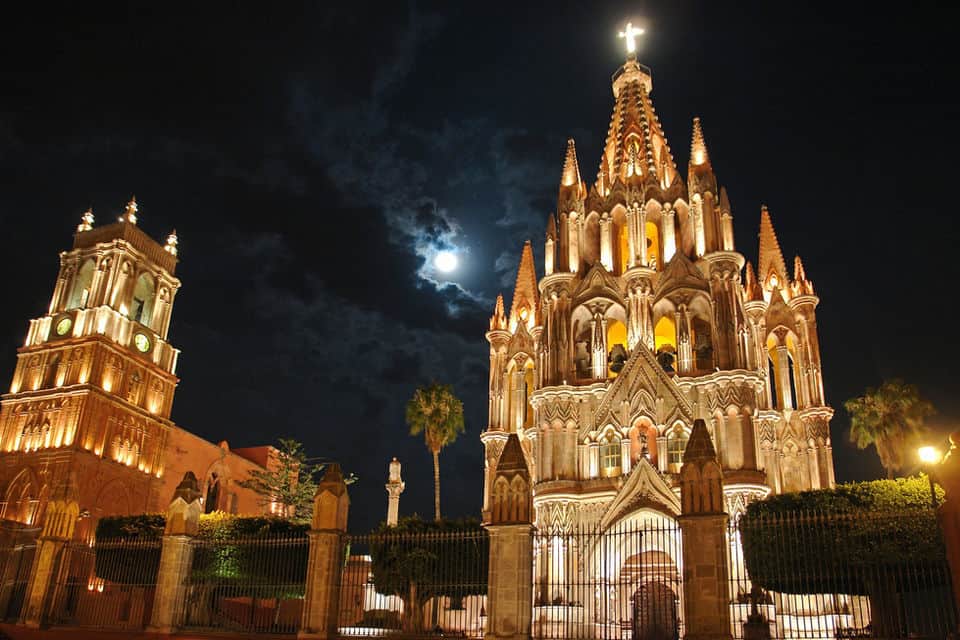
The towering pink facade of the Parroquia de San Miguel Arcángel is, by far, the most iconic landmark in San Miguel. It was designed by iconic stonemason Zeferino Gutiérrez, a highly respected master of his craft despite never being trained as an architect.
Gutiérrez, whose previous work only involved steps and altars of local churches, used postcards of iconic European castles to design the iconic facade. He used pink lava stone, which has retained its color to this day and helped transform San Miguel into a world-renowned tourist destination.
Gutiérrez was given a home in San Miguel for his work on the church and continued to design and build places of worship. He designed the original Mercado Ignacio Ramírez on the town’s Civic Plaza, which was later replaced with the iconic statue of Ignacio Allende on a horse.
The typhus epidemic swept through San Miguel during the height of the Mexican Revolution, killing Gutiérrez in 1916. In January 2020, Zeferino Gutiérrez Park opened in San Miguel just north of the Fabrica la Aurora art center, becoming the largest park in the municipality.
Ignacio Ramírez
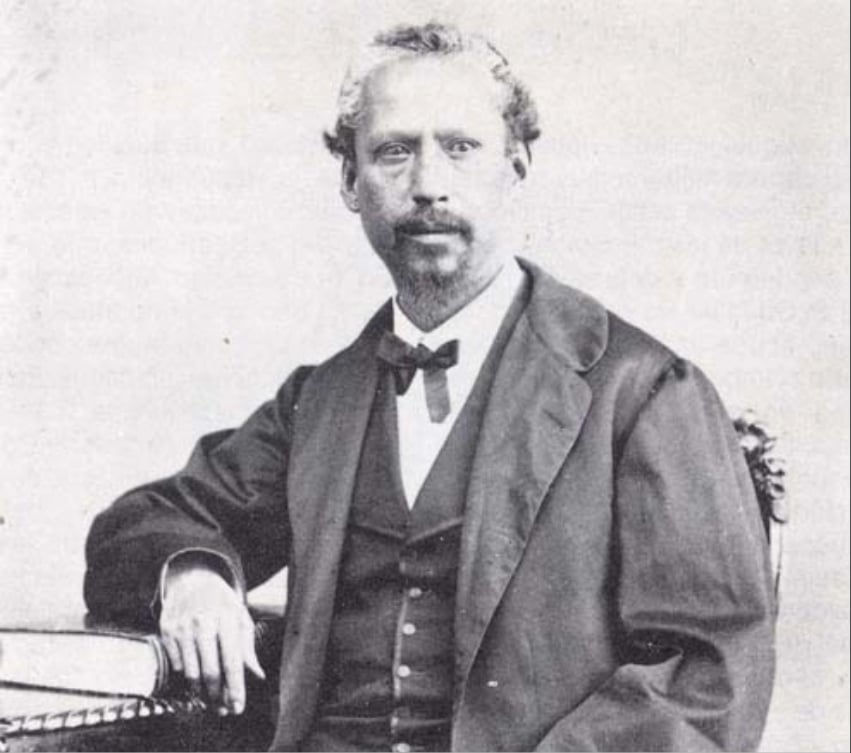
Ignacio Ramírez was one of the most prominent liberals of the La Reforma movement, which aimed to create a liberal democracy in Mexico and advocated for the separation of church and state.
The Ignacio Ramírez Cultural Center in the Centro neighborhood bears his name, along with the Mercado Ignacio Ramírez just north of the Civic Plaza.
Ramírez was born in San Miguel de Allende and was raised on liberal values before studying at university in Querétaro. He began publishing liberal newspapers and worked a slew of governmental positions before participating in the reform movement.
When the government of Benito Juárez eventually won power, Ramírez was given a spot in the cabinet where he continued to push for liberal reforms. He was forced out of the capital when the French marched into Mexico City, but continued to publish liberal ideals in hiding. Ramírez was imprisoned by the monarchist government upon his return to Mexico City, but was freed when the empire fell in 1867.
Under President Porfirio Díaz, who seized power in a military coup, Ramírez was named Minister of Justice and was elected to the Supreme Court. He died in 1879 at 60 years old.
Ángela Peralta
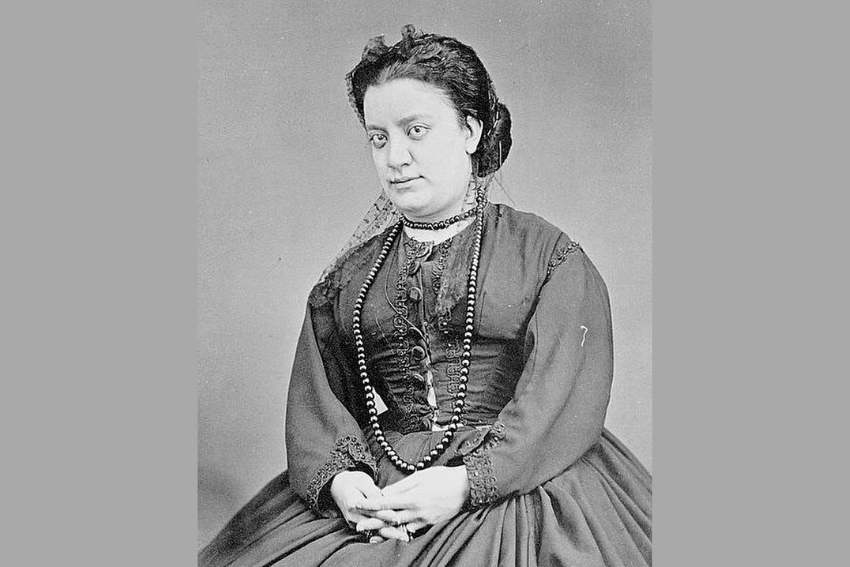
Located in the heart of Centro near the Ignacio Ramirez Cultural Center stands the Ángela Peralta Theater, one of the cultural icons of San Miguel.
Peralta, one of the greatest operatic singers in Mexican history, made her debut at just 15 years old in Mexico City before relocating to study in Italy under the bank of a wealthy financier. She made 32 curtain calls in Europe and North Africa, where she was dubbed the “Mexican Nightingale,” before returning to perform in Mexico at the invitation of Maximilian.
After another stint in Europe, Peralta returned to Mexico City, but was involved with an affair with a local entrepreneur, causing many in the city to boycott her performances. She left the city and recovered her reputation before embarking on a tour of northern Mexico. The tour was a success, but on an elaborate visit to Mazatlán, Peralta — along with most of her troupe — contacted yellow fever. Perlata died on Aug. 30, 1883 at the age of 38.
On top of her singing, Peralta was a composer, pianist and harpist. Amphitheaters and theaters across the country are named after her in tribute.
Pedro Vargas
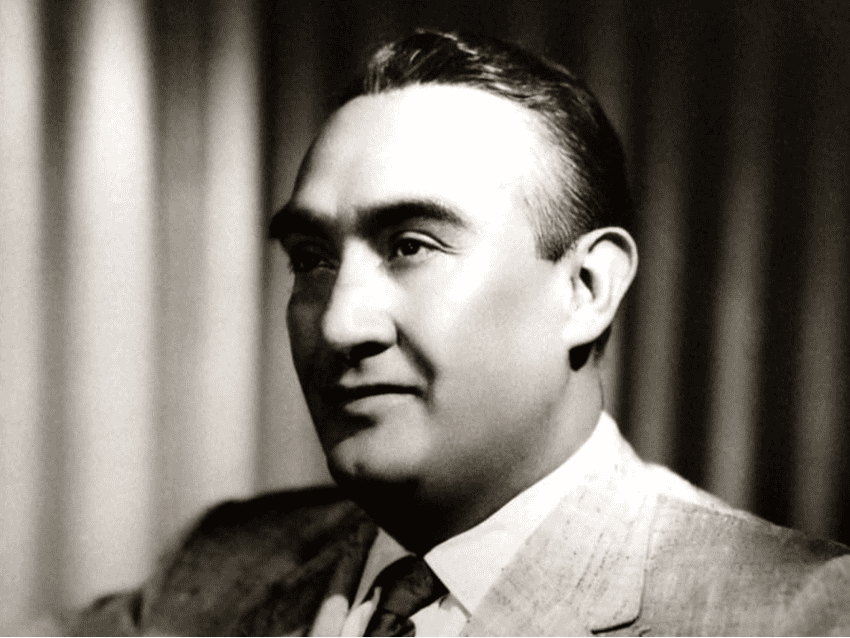
Pedro Vargas, an actor and singer born in San Miguel de Allende, was one of the key figures of the golden age of Mexican cinema from 1936-1956. His former home and his statue sits on the street Salida Real a Querétaro. The house is now a luxury estate, next to the popular lookout of the Parroquia.
Vargas, nicknamed “The Nightingale of the Americas,” left San Miguel at just 14 years old for Mexico City, where he studied at the National Conservatory of Music. Although his career began in the opera, he transitioned into popular song and appeared in over 70 films, eventually performing for U.S. President Franklin D. Roosevelt at the White House in 1942. Vargas also performed extensively throughout Mexico and at major venues in the United States, including Carnegie Hall and Madison Square Garden.
Throughout his career, Vargas performed lyrical pieces, boleros and ranchera ballads written by some of Mexico’s most celebrated composers, including Agustín Lara. Vargas died in 1989 at the age of 83 in Mexico City.
Jared Tucker is a summer intern at Mexico News Daily in San Miguel de Allende and a rising senior at the University of Washington in Seattle, where he is the sports editor for The Daily UW. He was previously a fellow at TheFulcrum.us, where he covered public participation in American democracy.