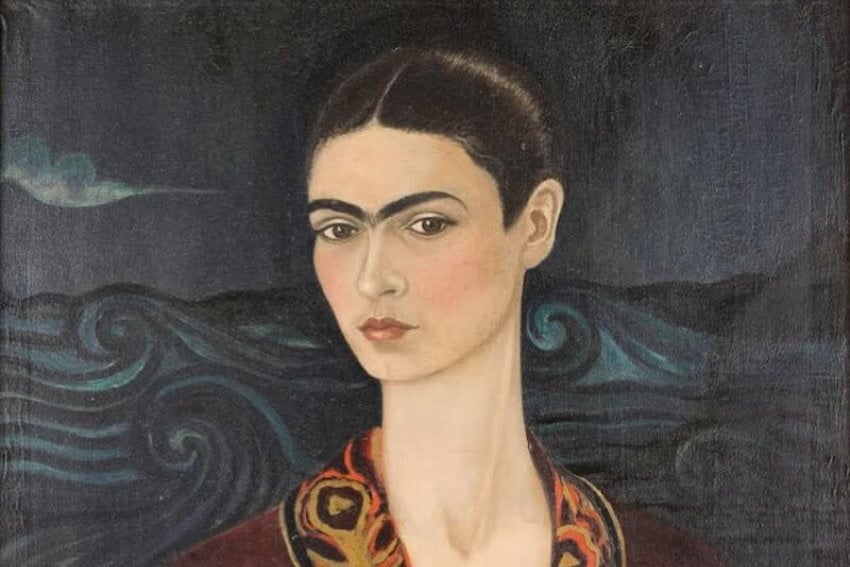
In September 2025, Casa Roja in the south of Mexico City opened to the public. Managed by descendants of Frida Kahlo’s relatives, the museum — meant to complement Coyoacan’s Casa Azul — is a display of objects, photographs and stories highlighting the artist’s family life and upbringing. As a result, for those of us living in Mexico City, our Instagram feeds are flooded with Frida.
There is a clear obsession with Frida Kahlo in North America — that is to say, the North America that lies north of the Mexican border. Her recognizable unibrow is plastered on bags, keychains and prints you can buy for US $5 off Facebook and frame yourself (guilty). Art fans and Mexaphiles are well-versed in her tumultuous love affairs and traumatic health issues. It’s obvious what the general public thinks of her: a media magnet, worthy of her own blockbuster movie and Barbie doll.
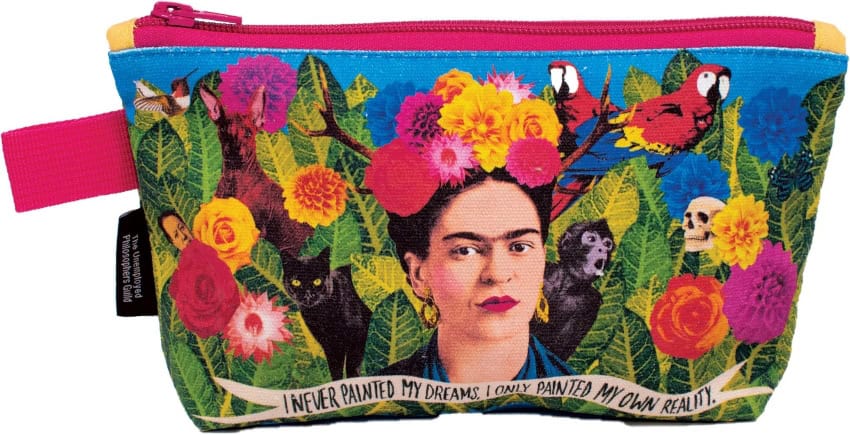
The concept of “Fridamania” first appeared as far back as the early 1990s; the Los Angeles Times published a commentary entitled “Fridamania — Where Will It All End?” in 1992. This term would appear in several more respected publications throughout the years, including Emory International Law Review’s 2021 critique of the cult phenomenon “Owning Frida Kahlo.”
What do Mexicans think?
The problem with Frida’s popularity is that it generally overlooks not only her art — “Is it that good?” — but also what Mexicans actually think of her. It’s a rare day when one sees a chilango donning a graphic tee with Frida’s face awash in neon colors. In fact, the odds of seeing Frida on a tote bag in New York City are higher than in the Mexican capital — unless, of course, it’s hanging off the shoulder of a visiting New Yorker.
Ever wondered if Frida Kahlo is as popular a figure in her homeland or if she’s simply a product of excellent marketing? Well, the answer is both clear and nuanced.
MND took to the streets. Not literally, but we reached out to 24 born-and-raised Mexicans from Mexico City to Puebla to Guadalajara between the ages of 26 and 51 for their opinions on the Frida Kahlo craze.
Each respondent works in a different career and is from a class sector that ranges between middle-class and wealthy. Among some of their professions were in the arts, hospitality, education, e-commerce, medicine and tech.

We used the curated set of questions below to find out what a sampling of Mexicans thinks.
Question 1: Is Frida Kahlo overrated as an artist?
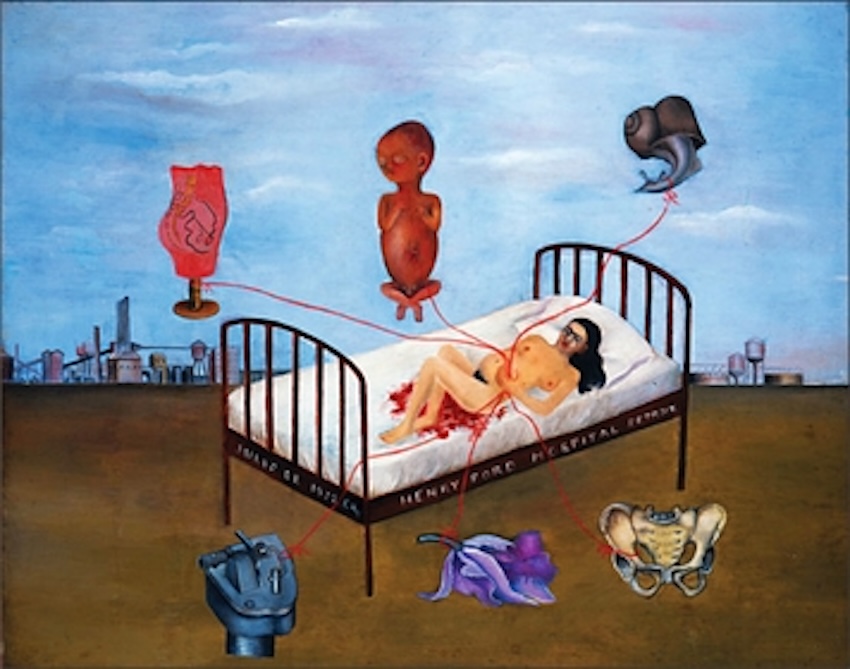
In terms of her actual art, responses were split down the middle, revealing a fundamental tension in how Frida’s creative legacy is viewed. On one side, there’s recognition of genuine talent; on the other, a belief that her work’s market value has been unnecessarily inflated. Andrés, whose professional background includes art analysis, captured the essence of this duality:
“I think she is a bit overrated as an artist, especially regarding the prices her work has reached on the market. This is because there are artists who I believe have the same merit but haven’t been valued economically like she has.”
Rosa, an educator, was even more blunt.
“Totally [overrated]. Her painting is quite basic compared to all the drama that’s been created around her life and that artificial feminism her fans attribute to her. Artists like Remedios Varo and Leonora Carrington were much more creative and had much more interesting proposals.”
But hospitality expert Gael, who also dabbles in art dealing, pushed back on the question.
“I don’t think she’s overrated. It seems to me that she reflects the essence of Mexican culture to the world, and people are willing to pay for her works at the same prices as great international artists.”
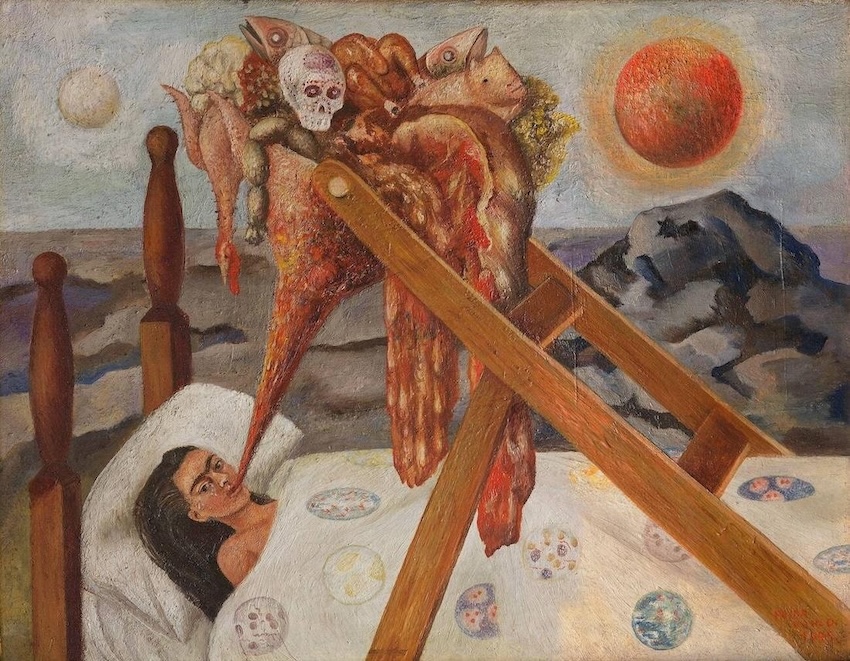
The results of a social media poll we did on this question mirrored this divide: 58% of respondents said yes, Frida is overrated, while 42% said no.
What emerges is less a consensus on Frida’s talent and more a critique of the forces at work around her that created a pathway to fame.
“I think artistic talent alone is not enough to access the international art market,” Gael noted. “There must be other aspects that stand out to position oneself as Frida Kahlo did.”
Question 2: How does Frida compare to other Mexican artists?
When asked to place Frida within the pantheon of Mexican artists of her era, respondents consistently named the same titans: Diego Rivera, Rufino Tamayo, José Clemente Orozco and David Alfaro Siqueiros. While it appears most agree that Frida belongs in this conversation, so do many others who haven’t achieved her level of global recognition, many said.
Andrés was quick to acknowledge her legitimacy.
“Without a doubt, Frida is one of the best Mexican artists of the 20th century, on par with Diego Rivera himself, Clemente Orozco, Rufino Tamayo and/or Leonora Carrington,” he said. “And, yes, I feel she reflected so much of our country and its idiosyncrasies.”
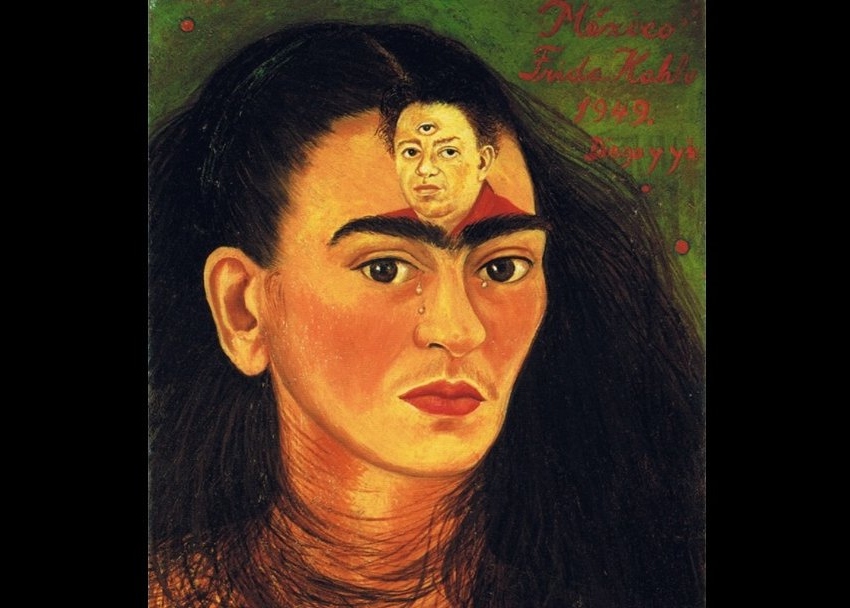
Yet in the same breath, he also noted, “Probably Rivera, Tamayo or Orozco would have at least the same artistic merit as Frida, even though they didn’t have the international reach that she did.”
Gael framed her fame within a broader artistic movement.
“Frida Kahlo forms part of an intellectual and artistic current of Mexico from that era, along with the great muralists and other artists of international stature.”
Question 3: Which other Mexican figures deserve recognition?
Beyond those aforementioned, the most telling response came from Sara and María, both marketing professionals.
“There are thousands, and we don’t even know their names. Perhaps that’s also because all the other women (artists) are undervalued.”
Beatriz, a tourism professional and writer, pointed to figures outside the art world entirely.
“I think there are others, like Antonieta Rivas Mercado, who did great things for Mexico, like promoting the secretary of education or creating the symphony orchestra of Mexico.”
Has an entire ecosystem of female talent been overshadowed by Frida’s star power? A UNAM study seems to support it: Women artists were marginalized in teaching posts and exhibitions during the entire first half of the 20th century, despite a pool of comparable painters within the Kahlo circle, including María Izquierdo, Aurora Reyes and Nahui Olin. Yet, while Frida Kahlo’s paintings top the US $50 million mark, Izquierdo’s highest sale closed at less than half a million.
Question 4: When did Frida start appearing everywhere?
Nearly everyone agreed: They learned very little about Frida in school. Beatriz recalls that “in school she appeared as part of the official discourse,” as more of a link to cultural nationalism than as one of Mexico’s artistic greats. What everyone interviewed remembers is her sudden ubiquity, and exactly when that happened.
“About 25 years ago, she started to become popularized as part of Mexican culture,” Lucia, an e-commerce expert, stated.
Andrés pinpointed the same era.
“While she was always present in Mexican culture, I think she had a radical surge, caused in part by North Americans, at the end of the 20th century.”
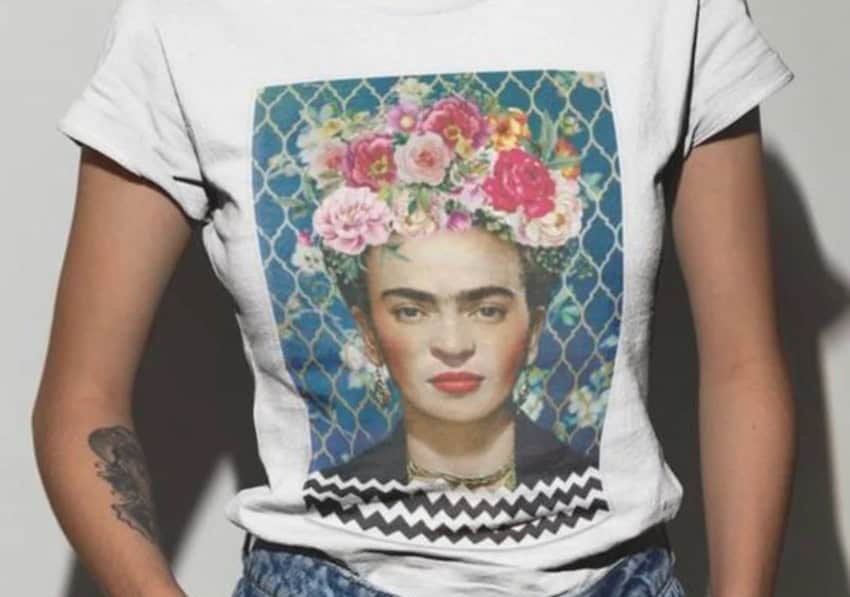
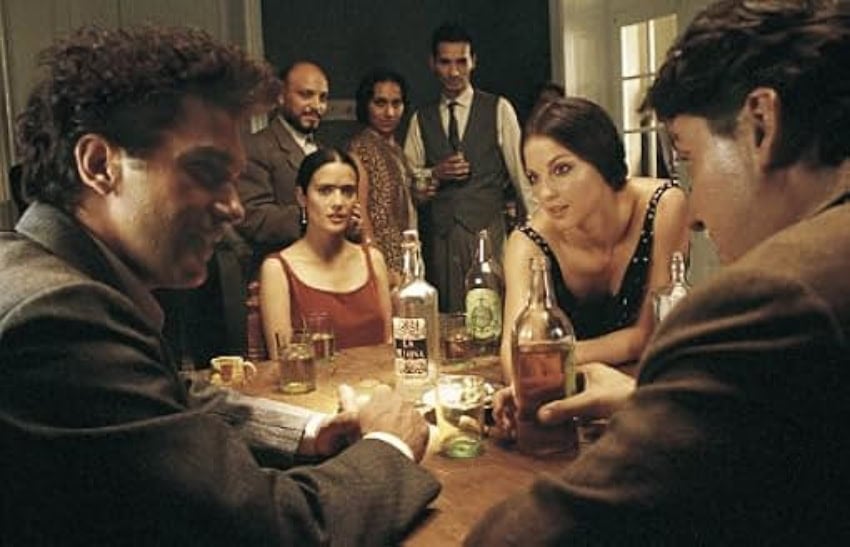
This coincides with the 2002 Hollywood movie “Frida,” starring Salma Hayek, which Ana, a public relations agent, noted as the reason Frida “took on importance and relevance. She became more fashionable.”
Rosa remembers the frenzy building even before the film’s release.
“For me, the international boom arrived with the movie, or even before, when Salma Hayek and Madonna were vying to bring ‘Frida’ to the screen.”
The timeline reveals Frida’s current iconography as neither long-standing nor organic. It’s recent, manufactured and heavily influenced by forces outside Mexico.
Question 5: Is Frida overrated as a pop culture icon?
The answer, overwhelmingly, was yes — but with an asterisk attached.
“Few have seen her work; she’s more a pop culture symbol,” Lucia said plainly.
The sentiment was repeated by David, an AI developer.
“Her history is fascinating, but she’s become too cliche.”
Maria and Sara drew a comparison that landed like a punch.
“It’s clear that it’s very different for foreigners than for Mexicans. It’s like Cinco de Mayo.”
The analogy is apt: In Mexico, May 5 is a relatively minor holiday, not even a federal one requiring a day off for workers. In the United States, however, it’s become a commercialized celebration of “Mexican culture” that often bears little resemblance to actual Mexican traditions.
Is Frida also a symbol co-opted, commodified and sold back as something it never was? Rosa thinks so.
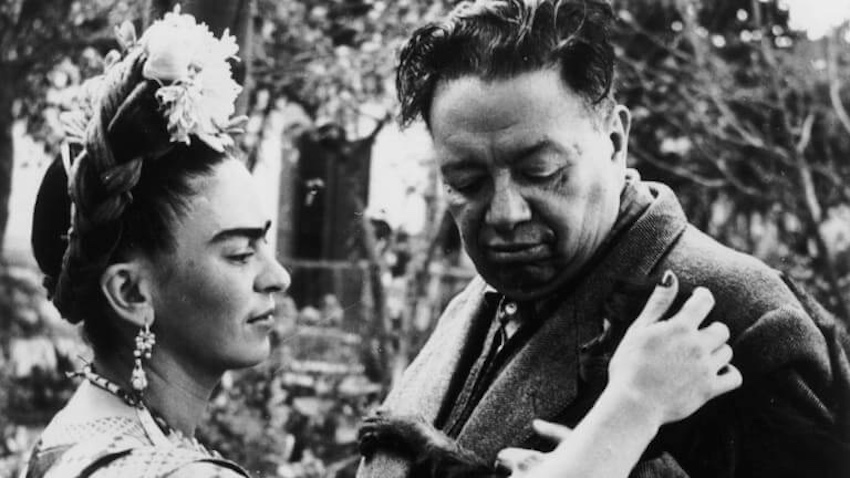
“She went from being a supposed socialist icon to the merchandise of cultural capitalism. Today, Frida functions the same as Che (Guevara) on a T-shirt: a depoliticized symbol, comfortable and ready to sell.”
Beatriz, however, sees both sides.
“She’s been put on a pedestal as if she had made great reforms or influenced movements,” she said, adding that while Diego Rivera did influence movements and portray many aspects of everyday Mexican life in his murals, he is hardly the pop icon Frida is today. “Still, I’m grateful to Frida that, thanks to her, Mexico receives a lot of attention and more cultural appreciation.”
Conclusion: The paradox
So is Frida Kahlo overrated? The answer depends entirely on what you’re rating.
As an artist, the majority of Mexicans I spoke with placed her firmly among the greats of her generation — but no greater. As a pop culture phenomenon? Wildly overrated, a product of media machinery and North American fascination that has little to do with her actual contributions to art. The 24 Mexicans we surveyed suggested that Frida’s international role as a symbol of female strength, Mexican identity and dramatic suffering doesn’t resonate the same way in her homeland.
The late Mexican Nobel laureate Octavio Paz once questioned whether Frida Kahlo could be both a great artist and “a despicable cur.” Today, the question might be: Can someone be both a great artist and an overhyped brand?
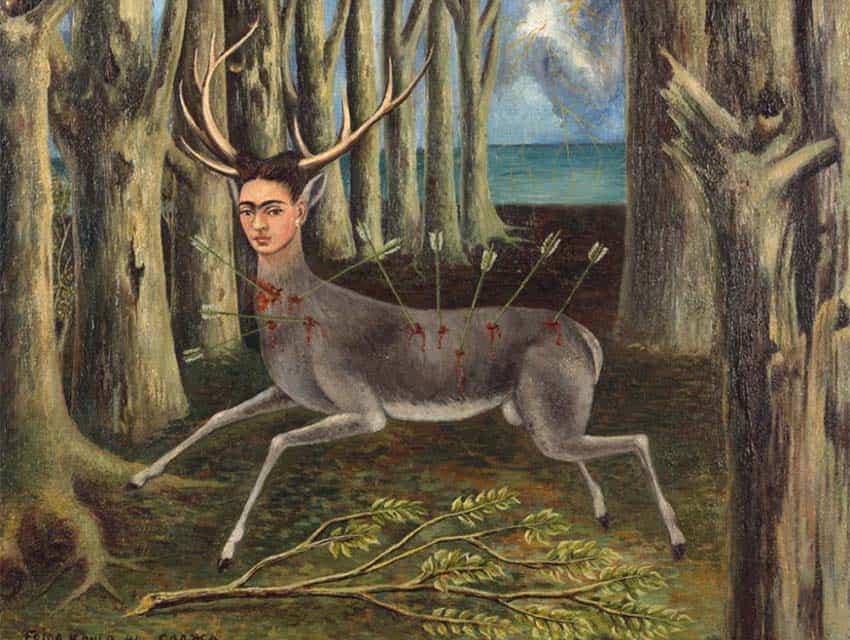
Yes, both things can be true. But what Mexicans understand that many foreigners do not is that while Frida Kahlo may be extraordinary, she’s certainly not unique.
Bethany Platanella is a travel planner and lifestyle writer based in Mexico City. She lives for the dopamine hit that comes directly after booking a plane ticket, exploring local markets, practicing yoga and munching on fresh tortillas. Sign up to receive her Sunday Love Letters to your inbox, peruse her blog or follow her on Instagram.