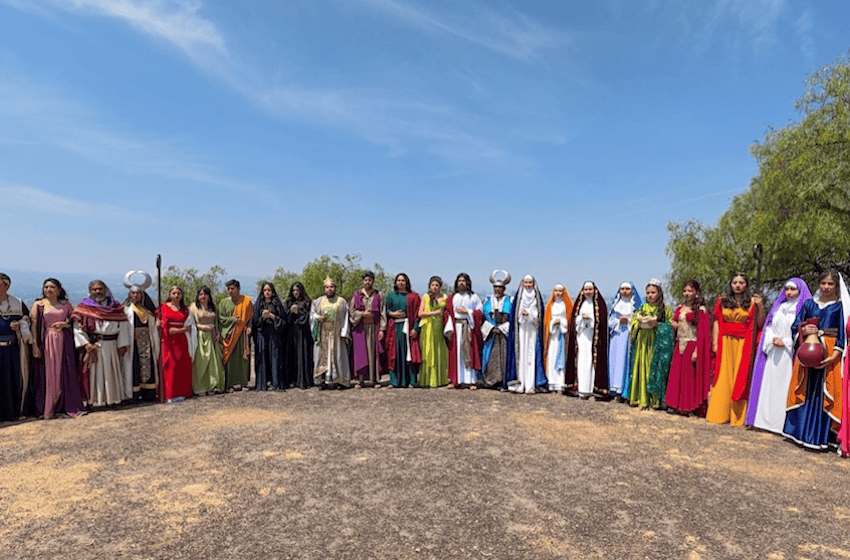
Mexico City’s biggest borough turned into a vast open-air stage Friday as Iztapalapa held its famous Passion Play for the first time since winning UNESCO recognition as a piece of world cultural heritage.
“It feels different this year,” local resident Juan López commented. “There are more people coming from outside, as if the news has opened the door to the world.”
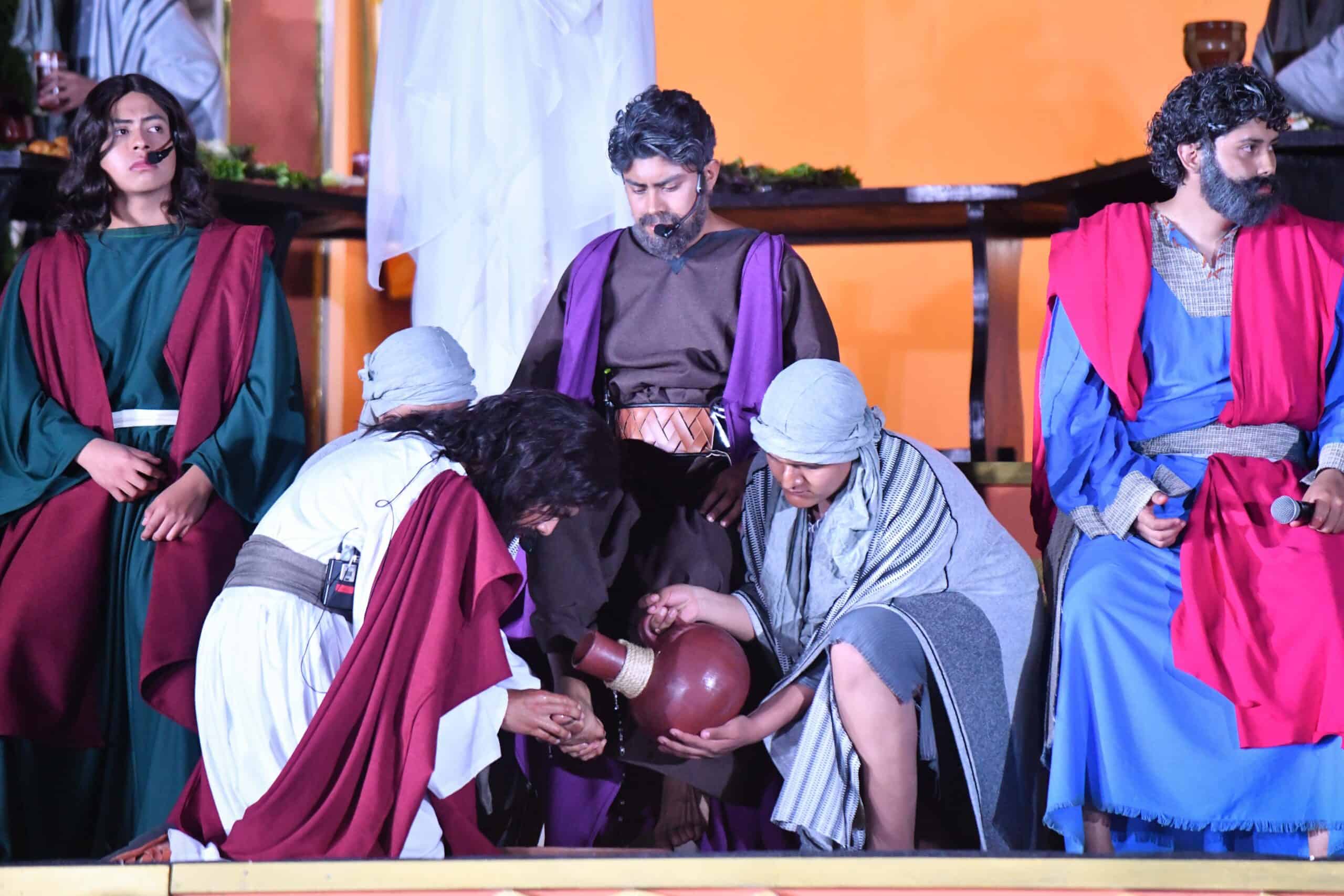
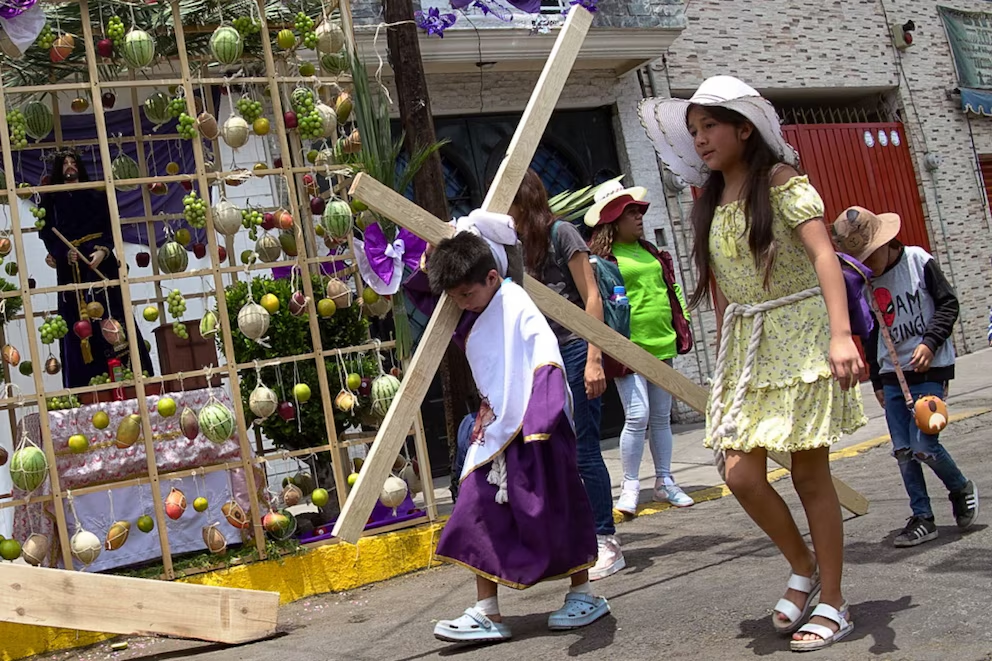
Iztapalapa, a densely populated, working-class area in the city’s east, hosts one of the world’s largest reenactments of Christ’s trial, crucifixion and resurrection.
The Holy Week play, now in its 183rd year, draws crowds that local officials say can top 2 million people over Good Friday.
UNESCO added the “Representation of the Passion, Death and Resurrection of Christ in Iztapalapa” to its Representative List of the Intangible Cultural Heritage of Humanity in December.
The designation recognizes the event as a living community tradition and highlights nearly two centuries of neighborhood organizing, faith and local identity.

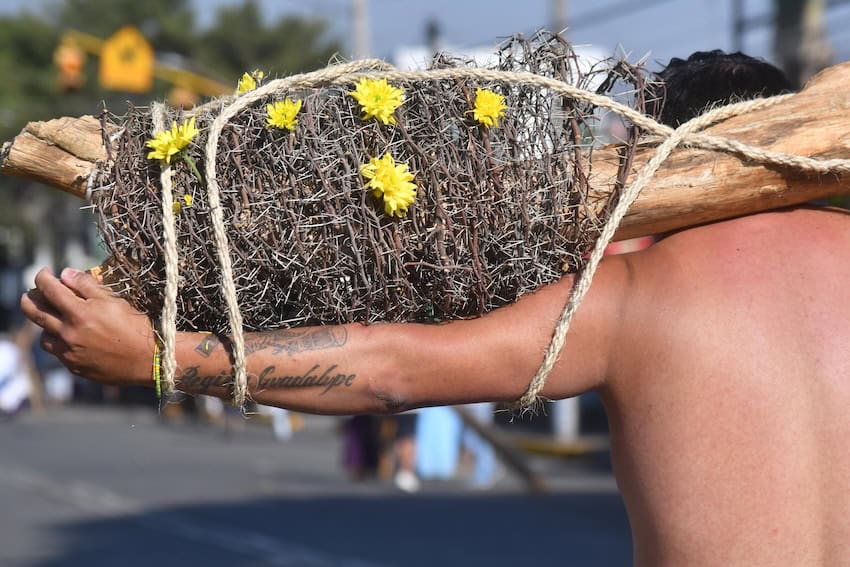
On Good Friday, streets fill with Nazarenes in purple robes, barefoot penitents and costumed Roman soldiers moving in a procession that covers more than 10 kilometers.
The route winds through Iztapalapa’s eight historic neighborhoods before climbing Cerro de la Estrella, a hill overlooking the borough that becomes a symbolic Mount Calvary for the crucifixion scene.
Portraying Jesus this year is 25-year-old Arnulfo Morales Galicia, described by the news source Infobae as a medical surgeon and a graduate of the National Autonomous University of Mexico (UNAM).
He was chosen after a demanding selection process that tests physical endurance, discipline and conduct. On Friday, he is actually bound to the cross for 20 minutes at around 3 p.m., said to be the time at which Jesus was crucified.
Actress Erika Morales Hernández has stepped up to play the Virgin Mary after last year portraying a different character, the play’s “adulterous woman.”
Both actors come from the borough and are part of a cast drawn from local families.
Mexico City authorities have deployed more than 9,000 police officers, along with paramedics, patrol vehicles and helicopters, and shut key avenues around the borough to manage the influx.
For residents, the new UNESCO label adds global prestige, but the core remains local: a promise made during a mid-1800s cholera outbreak that has grown into one of Mexico’s most emblematic Holy Week rituals.
The Passion Play runs across Holy Week, typically beginning on Palm Sunday with Jesus’s entry into Jerusalem, continuing on Tuesday and Holy Thursday, and peaking on Good Friday with the Via Crucis and crucifixion.
The narrative usually concludes on Holy Saturday (also called Black Saturday) with the resurrection and final curtain call — one day before Easter Sunday.
With reports from La Jornada, Infobae and N+