This year, Jalisco will become the first state in Mexico to offer a degree in Mexican Regional Music, specifically mariachi, as part of a strategy seeking to strengthen the state’s cultural heritage and preserve the musical genre that was added to UNESCO’s list of Intangible Cultural Heritage of Humanity in 2011.
In an announcement made at the Regional Mariachi School in the town of Cocula, Governor Pablo Lemus said the new academic degree intends to honor Jalisco’s status as the cradle of Mexicanidad (Mexicanity), with mariachi representing a cornerstone of the country’s cultural and historical identity.
Jalisco announces a degree in mariachi music
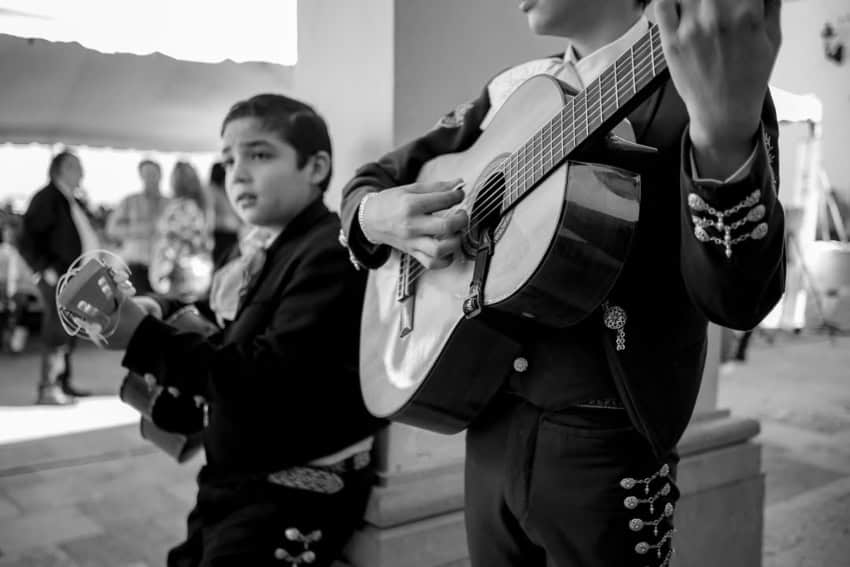
“Here at this mariachi school, we’re going to certify the first-ever bachelor’s degree in mariachi,” Lemus said amid live mariachi music played by students. “Because mariachi comes from Cocula!”
Cocula is widely accepted as the cradle of the mariachi tradition — which has given rise to the popular saying “De Cocula es el mariachi” (Mariachi comes from Cocula), which Lemus repeated in his announcement. The genre originated in the late 19th century and rapidly grew to become a staple of Mexico’s traditions.
The academic degree is part of a larger effort by the state to strengthen this genre, which includes a renovation project to beautify the school, provisions for new musical instruments for students, and promotional initiatives designed to get more children and young people interested in mariachi in order to preserve its legacy.
Preserving an authentic Mexican tradition
In a separate announcement, Jalisco’s Culture Minister Gerardo Asencio said that this degree “reinforces the state’s leadership in traditions that represent an entire country.”
“We’ve designed this program as a response to our interest in safeguarding the traditions that make us all very proud,” Asencio said in a video shared on his social media channels. “Knowledge that was previously transmitted orally will now have academic backing for posterity,” he stated.

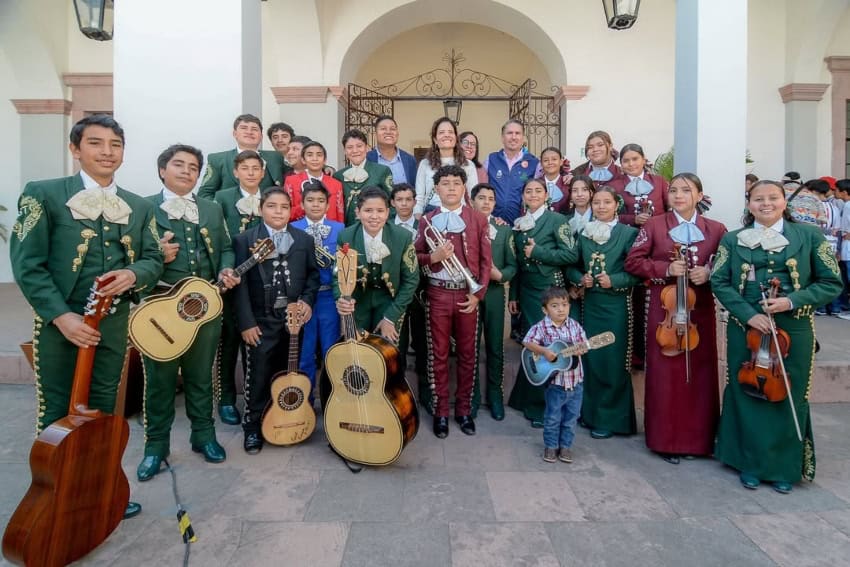
The Regional Mariachi School is located in a historic building that previously served as a primary school. Classes are held in the afternoons, and until last summer, it had around 160 students. While most students are from Cocula, many others travel from nearby municipalities such as Tecolotlán or San Martín Hidalgo to study there.
What the Regional Mariachi School teaches
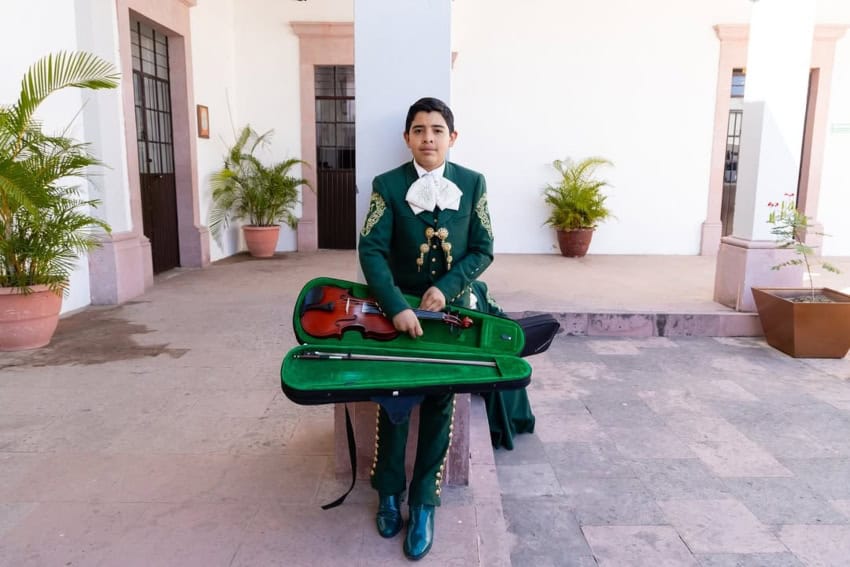
The curriculum includes instruction for choral groups, vocal ensembles, a children’s choir and instruction in music theory.
Students aged eight and above can enroll. The most popular musical instruction is in guitar and the violin.
In addition to operating as a school, the facility offers areas for established mariachis to rehearse. Located just a few steps away from the main plaza, passersby can hear live mariachi music drifting out from the school every morning and afternoon.
With reports from Conciencia Pública, El Occidental