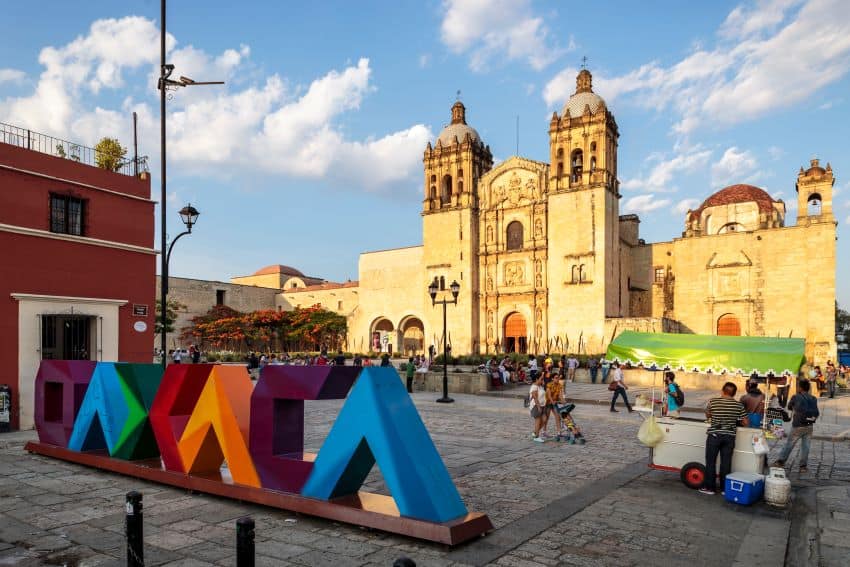
After a 25-year hiatus, the city of Oaxaca’s spring festival, now renamed the Rodolfo Morales Spring Festival, is set to return as part of the city’s upcoming 493rd anniversary celebration.
Starting on Sunday, April 20, and running through April 30, the festival will feature more than 50 activities, including music, dance, theater, exhibitions and family-friendly events — all with free admission.
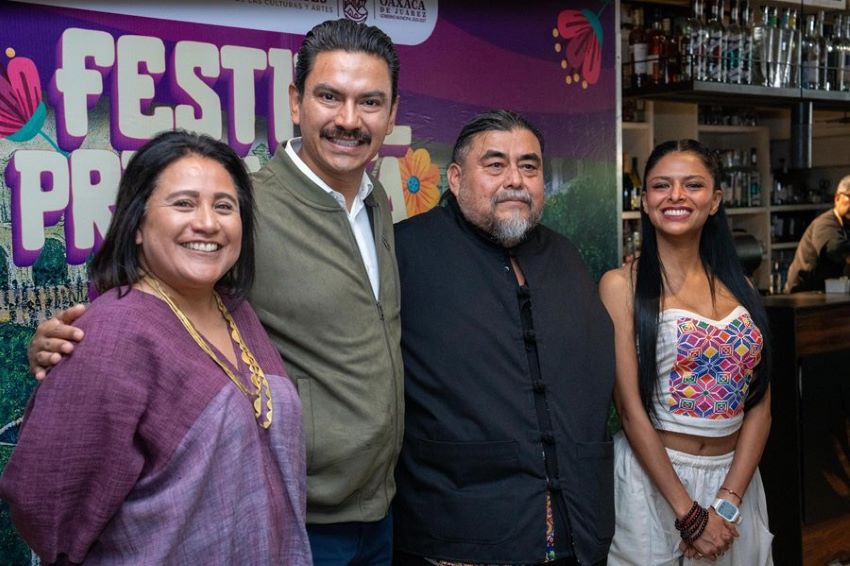
Organized under the auspices of the state’s Ministry of Culture and Arts (Seculta), the festival pays tribute to the renowned Oaxacan painter Rodolfo Morales, who dedicated his life to preserving the state’s heritage and traditions. Morales died in 2001.
“This is a very broad festival, in which we celebrate the arts, culture, music and sports,” Oaxaca de Juárez Mayor Raymundo Chagoya Villanueva said. “We kick off on April 20 with a 10-kilometer race. There will be artists giving free concerts in the public squares of Oaxaca, which is considered one of the country’s 11 heritage cities.”
As such, there’s always a lot going on in Oaxaca — including the huge, annual Guelaguetza Festival every July, which the state tourist office said last year was expected to draw 139,000 people and generate 517 million pesos (US $25.8 million) in economic activity.
The impact of the Rodolfo Morales Spring Festival isn’t expected to be that large, but still pretty good. Officials are projecting a total of 50,000 visitors and an economic impact of more than 100 million pesos (US $5 million).
“Historically, tourism declines sharply after Easter,” Chagoya Villanueva noted, alluding to the holiday that falls on Sunday, April 20 this year. “This event is specifically intended to attract this occupancy in both hotels and restaurants.”

Among the highlights are two major free concerts at the Alameda de León: the cumbia band Los Ángeles Azules (winners of a 2024 Latin Grammy lifetime achievement award) on April 25, and Molotov (winners of a 2003 Latin Grammy for their politically charged “Frijolero” video) on April 28.
Additional performances will include the Oaxaca Symphony Orchestra, marimba music and more.
Flavio Sosa Villavicencio, head of Seculta, emphasized the festival’s role in celebrating Oaxaca’s cultural magnificence and fostering community spirit, linking pre-Hispanic customs with contemporary urban life.
The festival, which used to be known simply as the Spring Festival, was an annual event in Oaxaca City before being discontinued some 25 years ago, though official records do not cite a reason. Following his death in 2001, the festival was renamed for Rodolfo Morales.
For more information, visit the festival website or download the full program from this Seculta website.