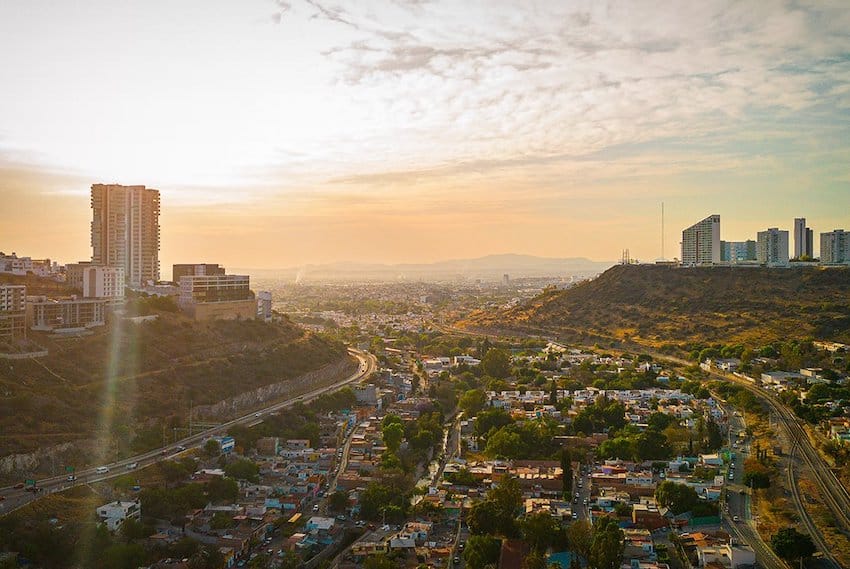
Querétaro, a city and state in central Mexico renowned for its rich history, has landed a place on the New York Times’ list of the 52 best places to go in 2026.
Inclusion on this list usually boosts international tourism, as many travelers use it as an annual reference for “where to travel this year.” For Querétaro, the recognition reinforces its image not only as a picturesque city, but also as a world-class destination for food, culture and wine.
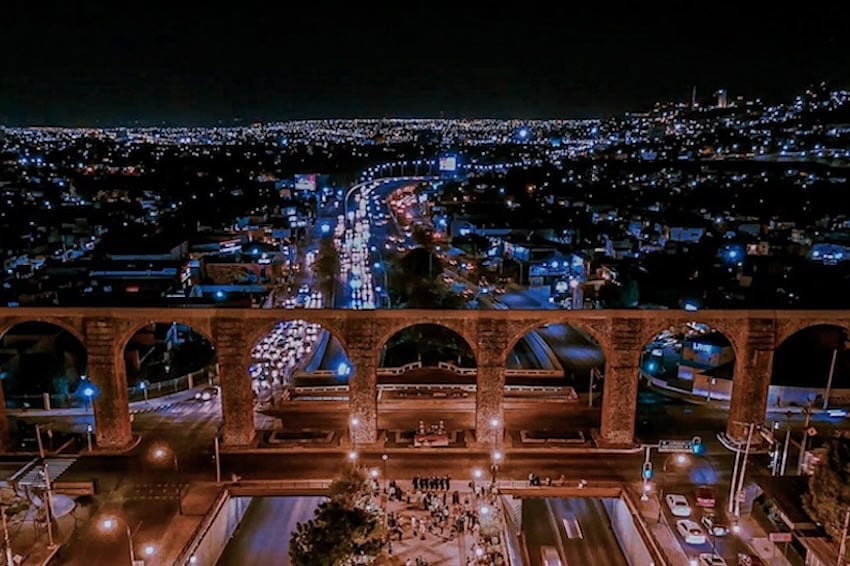
“The sleepy, old-fashioned city of Querétaro has long been one of Mexico’s most picturesque urban centers,” the Times said. “But in recent years the city and its surrounding countryside have emerged as a surprising new destination for food and drink.”
Indeed, Querétaro has grown a reputation as a culinary destination thanks to its wine industry.
The Times highlighted Hotel Hércules, a restored textile factory with a brewery “that produces some of Mexico’s best craft beers.” It also draws attention to restaurants like the El Reinita and the El Apapacho cafetería, which stand out for their creative culinary offerings.
The publication also invites readers to explore the region’s centuries-old wine route, featuring labels such as Tierra de Peña; or to enjoy a grill-and-wine experience at places like Bárbaro Asador, set among pleasant vineyards.
The city of Querétaro, officially known as Santiago de Querétaro, was founded as a Spanish-colonial city in 1531, just 10 years after Hernán Cortés took Tenochtitlán. Before that, the region was inhabited from at least 500 BC by Otomi groups and later by Purépecha and various nomadic peoples known collectively as Chichimecas.

Thanks to its strategic location, the Spanish advanced northwards from Querétaro in search of gold and silver, following routes that were already known by the original settlers of Querétaro. By the 17th and 18th centuries, Querétaro had consolidated its position as a wealthy city within the viceroyalty.
Known as the “Pearl of the Bajío,” this historic city features architectural jewels like the Convent of Santa Cruz, and several Baroque churches that today form part of the UNESCO World Heritage Site of Historic Monuments were built during this period.
The city was also declared the capital of Mexico twice, and secured its place in history as the site of the Declaration of Independence in 1810.
With reports from The New York Times