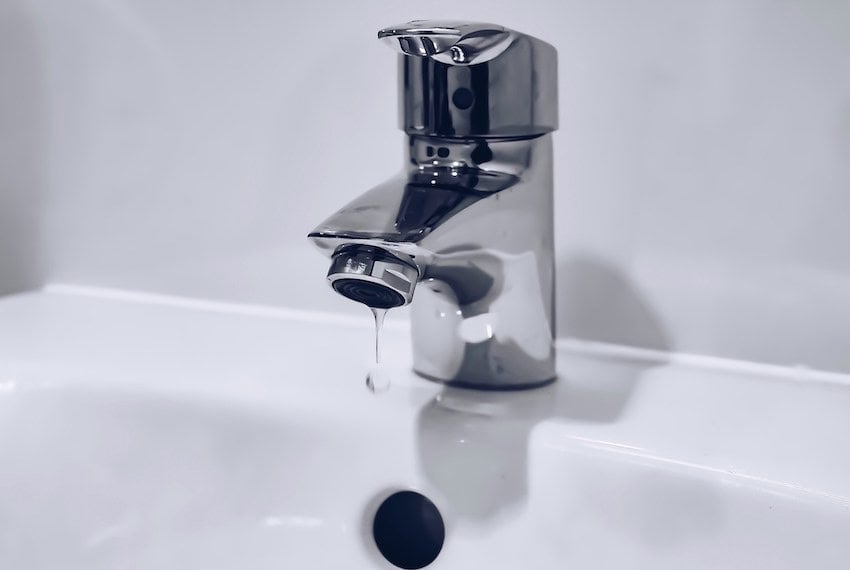
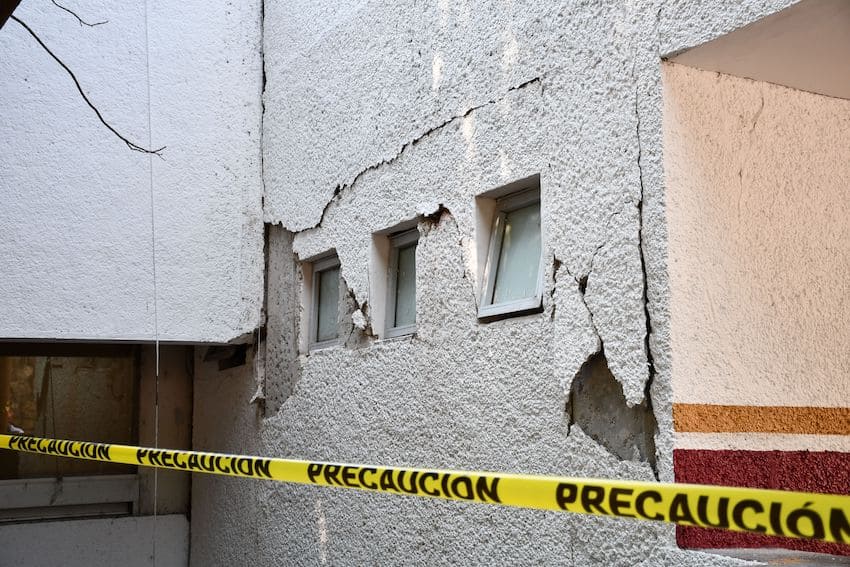
More than 400,000 residents of the Pacific Coast port and resort city of Acapulco, Guerrero, remain without potable water four days after a 6.5 magnitude earthquake struck near neighboring San Marcos on Friday morning.
The quake damaged two major water systems, leaving operational only one of the three water intake and pumping systems supplying Acapulco with drinking water: the Papagayo 1 system. Papagayo 2, which supplies most of the city’s water, suffered a collapse in a section of its pipeline during the earthquake, preventing water from being sent to Acapulco from the Papagayo River.
Antonio Lorenzo Rojas Marcial, director of the Acapulco Municipal Water and Sewerage Commission (CAPAMA), said that the organization was working at full speed to restore water to the city of 800,000, with most water services expected to be restored by Jan. 12.
The earthquake also disrupted the electrical system, resulting in fires in the south and north wells of the Lomas de Chapultepec aqueduct, as well as damage to equipment, including the starters and the transformer. This is expected to take longer to fix as it requires specialist parts.
CAPAMA plans to temporarily provide water by establishing a bypass or connection at the Puerto Marqués water treatment plant once the Papagayo 2 system is repaired.
Mayor Abelina López told residents that the drinking water supply is already stable in the tourist zone and some neighborhoods of the port city that receive their water from the Papagayo I system.
“I want to emphasize that, given our prompt attention to these issues, the drinking water supply to the tourist zone was restored on Saturday,” Mayor López said.

CAPAMA is thought to be working in coordination with the National Water Commission (Conagua) to repair the damage, although no state or federal government representatives joined Mayor López or CAPAMA directors at a press conference held at the Playa Suites Hotel in the Golden Zone on Monday to provide an update on the situation.
With reports from Milenio and La Jornada