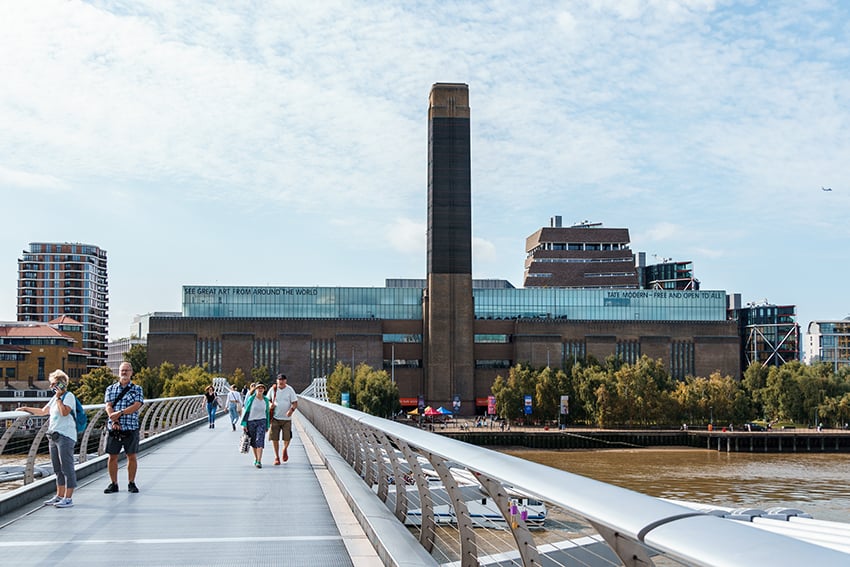
How did Frida Kahlo go from being a relatively unknown Mexican artist to one of the most recognizable cultural phenomena of the 20th century? That’s the question the Tate Modern will tackle this summer in London, with a a major exhibition dubbed “Frida: The Making of an Icon.”
The exhibition will feature 36 pieces that represent Kahlo’s various roles — the dedicated wife, the intellectual, the modern artist and the political activist. Some of her most famous and celebrated paintings will be showcased among those 36 paintings, including “Untitled (Self-Portrait with Thorn Necklace and Hummingbird)” (1940), “Self-Portrait in a Velvet Dress” (1926) and “Self-Portrait with Loose Hair” (1938).
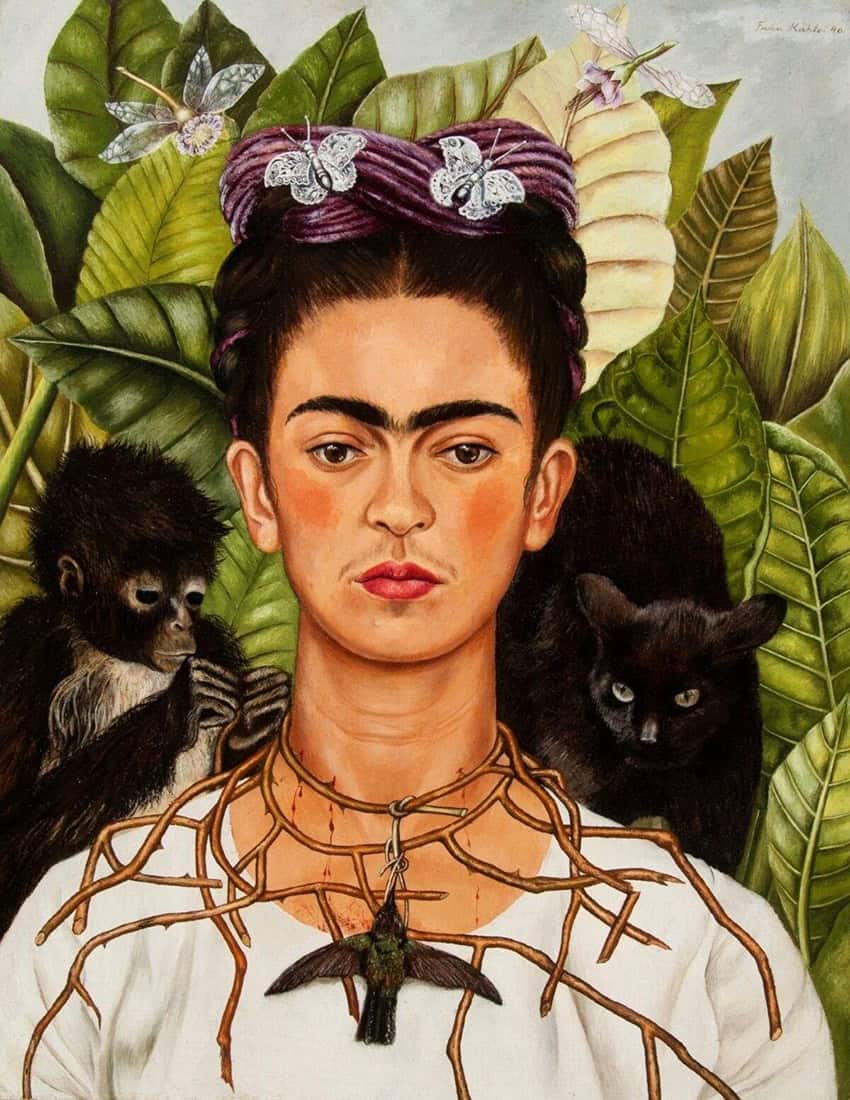
The Tate Modern has said that together, these items “reveal how Kahlo’s story continues to be reimagined and reclaimed by new generations, cementing her place as one of the most influential figures in the history of art.”
The Tate Modern is one of the largest museums of modern and contemporary art in the world and holds significant influence in the art world. Nonetheless, museum curators say they’ve faced some obstacles in trying to secure paintings from the coveted artist due to her surge in popularity. Notably, the pop star Madonna — who owns five Kahlo works including “My Birth” and “The Wounded Deer” — reportedly rejected the museum’s loan requests. The last time Tate hosted a Kahlo’s exhibition, it showcased over 50 works.
The upcoming exhibition will explore how Kahlo built and projected her identity in her paintings and personal style. Visitors will then trace Kahlo’s connection to the surrealist movement through works that were exhibited at Kahlo’s first solo exhibition at the Julien Levy Gallery in New York in 1938, and later in Paris.
The exhibition will also look at how the Mexican migrant movement embraced Kahlo as a powerful emblem of cultural pride and political resistance in the 1960s, catapulting Kahlo’s name to a wider international audience.

The show will end at the “Fridamania” room, which charts Kahlo’s transformation into a mass-market phenomenon with a display of over 200 commercial pieces of merchandise related to her art, image, style and persona.
With reports from The Independent