I’ve always been fascinated by a period of our history that was never taught in school, yet I grew up hearing about it from my maternal grandmother. This was an armed conflict that was buried in the collective memory of Mexicans for decades, until a young French historian named Jean Meyer arrived in the country, unearthed it from our dusty past, and gave it a name: La Guerra Cristera (The Cristero War).
The scene that piqued my interest in the Cristero War was my grandmother’s earliest memory, as she would recount it. She was four or five years old, living in a town called Tenamaxtlán, 135 kilometers south of Guadalajara, Jalisco. Her memory consisted of seeing two men hanging from a telegraph post outside her home, their faces covered, as she and her mother left for the market.
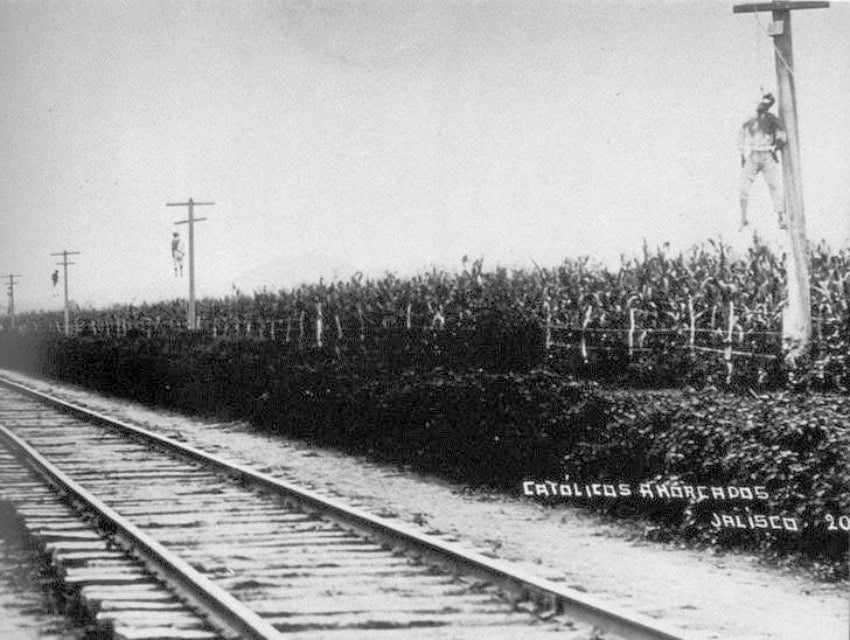
This scene took place sometime in 1926, just as the persecution of Catholics by President Plutarco Elías Calles made it commonplace to spot men hanging from telegraph posts and trees across several states in western Mexico.
That memory of hers happened a year before her father — my great-grandfather — managed to miraculously escape from his execution following his refusal to store government weapons in his cellars. After he escaped, his wife and two daughters — my grandmother included — followed. For months, they were forced to hide in Ameca, a town closer to Guadalajara, until it was safe to go back.
This dramatic story always stayed with me. And as we enter the war’s 100th anniversary, I wanted to take a moment to remember the Cristero War.
Why did the government persecute Catholics?
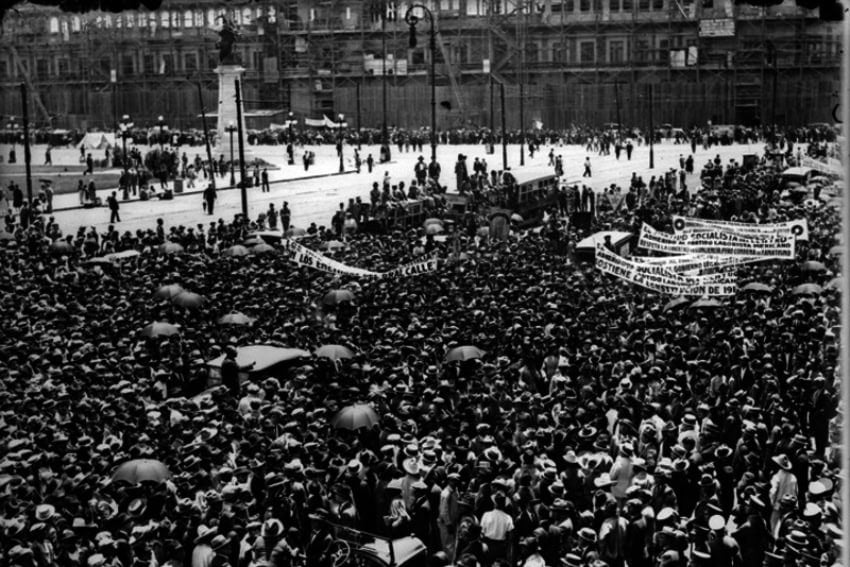
The persecution of Catholics by Mexico’s Federal Government came as a result of a growing clash between a revolutionary state seeking to consolidate its power — Mexico’s Revolution had just ended a few years back — and a Catholic Church that still had enormous social, cultural and political influence. Calles represented a political movement that wasn’t exclusive to Mexico, in which leaders believed that Catholicism is incompatible with the State, as a Catholic’s first loyalty is to Rome.
Thus, in June 1926, Calles issued a law that would become known as “Ley Calles,” establishing strict rules against the Catholic Church. It limited the number of priests across the country, required them to register with the Ministry of the Interior and prohibited them from criticizing the government. It also expelled all foreign priests from Mexico, ordered the closing of religious schools and restricted worship.

With the Pope’s blessing, the Mexican Episcopate suspended public worship a month after the law came into effect, in a move to highlight the cancellation of religious freedom in Mexico.
Following the Church’s decision, the government escalated its response, declaring all Catholic churches to be national property and expelling all priests from the country.
Mexicans perceived the suspension of worship not as a decision made by the Catholic Church, but by the government, further intensifying the crackdown and giving rise to the Cristero War.
The Cristeros and the end of the war
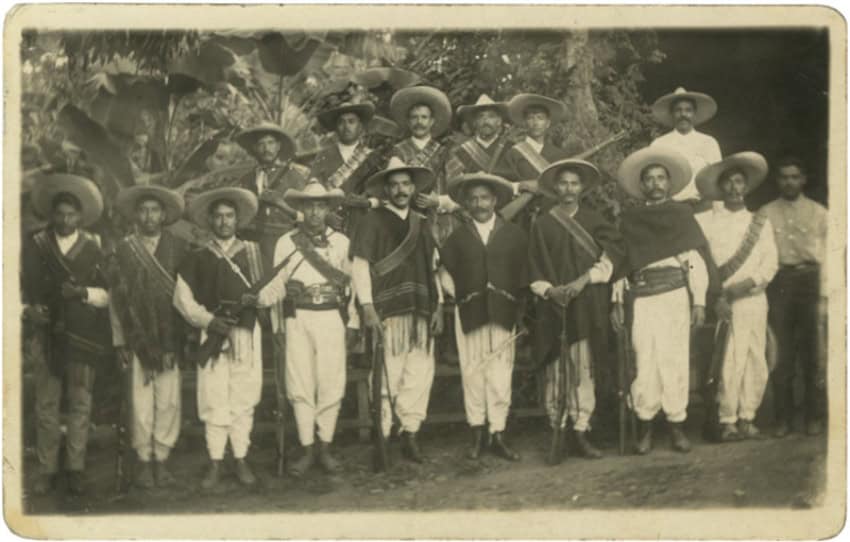
During the three years that worship was restricted in Mexico (1926-1929), people risked their lives to celebrate private religious services. Couples would marry at midnight at hidden rooms of haciendas, or baptize their children in caves. Meanwhile, faithful catholics took to the arms to resist the application of the Calles Law.
The Cristero battalions were mostly made up of peasants with no military training from Jalisco, Guanajuato, Colima, Nayarit and Michoacán. However, any Catholic who rose up in defense of their Church belonged to the movement, regardless of social class, gender or age.
Officials would arrest and execute any priest or person who was caught participating in an underground religious service, or any person who was suspected of being a Cristero.
The armed conflict claimed the lives of over 200,000 people.
The war and its legacy
Experts agree that neither the bishops nor the Calles government imagined the social impact that the closure of churches in the country would represent and the uncertainty of not knowing if they could continue to freely practice their faith.
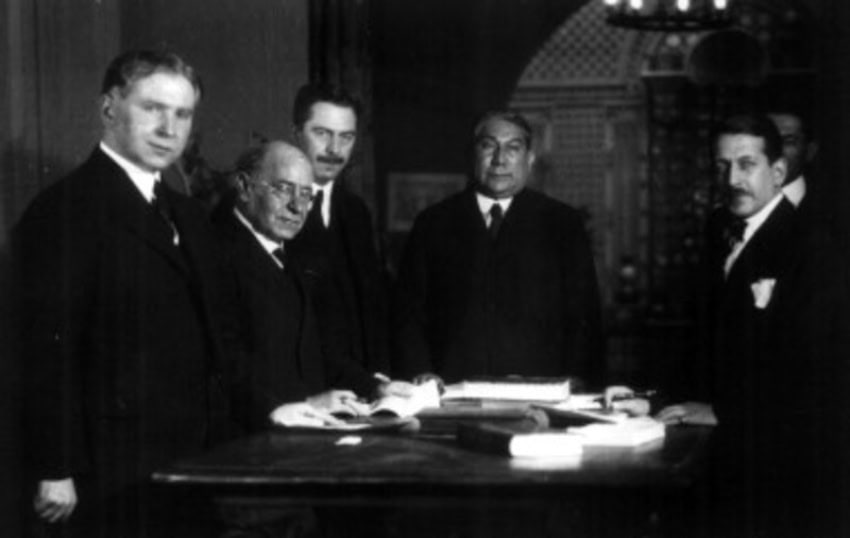
Finally, on June 21, 1929, the war officially ended in an act that came to be known as Los Arreglos (The Arrangement). These were agreements between the government and the Catholic Church to end the conflict, negotiated by U.S. ambassador Dwight Morrow.
These arrangements were controversial, with many catholics considering them a humiliation to their claims. According to Jean Meyer, some Cristeros continued fighting until the last ones surrendered following the elections of 1940.
In honor of those who died fighting for their faith, in 2007 the Catholic Church inaugurated the Sanctuary of the Martyrs of Christ the King, at the top of the El Tesoro Hill in Guadalajara. With a capacity for 12,000 people in the main assembly hall and 50,000 in the atrium and front plaza, this is the largest sanctuary in Latin America.
Gabriela Solis is a Mexican lawyer turned full-time writer. She was born and raised in Guadalajara and covers business, culture, lifestyle and travel for Mexico News Daily. You can follow her lifestyle blog Dunas y Palmeras.