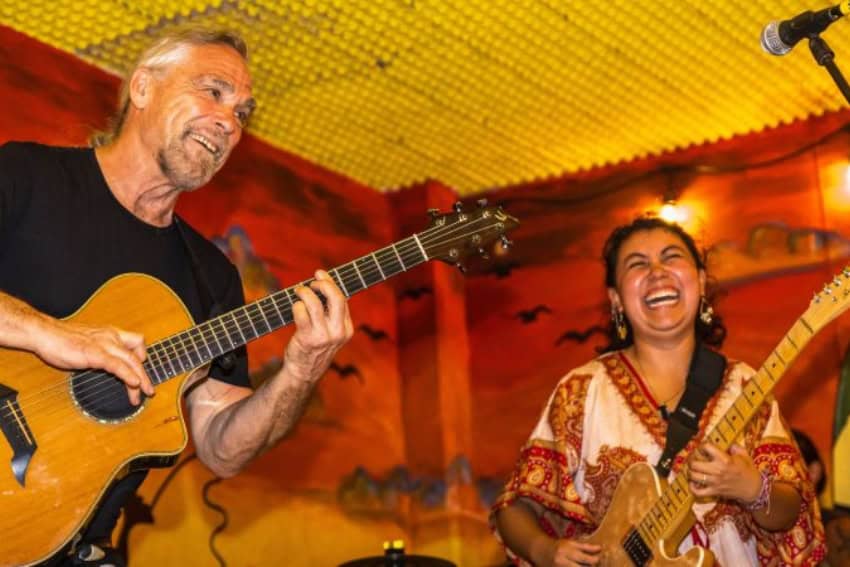
In the fall of 2003, San Francisco residents Phil Milner and his wife, Jenny Kerr, got a call from a fellow musician who was building a house near Zihuatanejo. Their friend said some of his pals in “Zihua” were putting together an inaugural guitar festival scheduled for spring 2004. Would Phil and Jenny, who played Americana music, like to perform?
The grassroots organization, made up mostly of expats and Zihua business owners, would cover their travel expenses, accommodations and meals if Phil and Jenny agreed to play. The founding members also needed assistance with organizing the festival. Milner, an experienced stage manager, said, “Sure, we’ll be happy to help.”
Something for the community
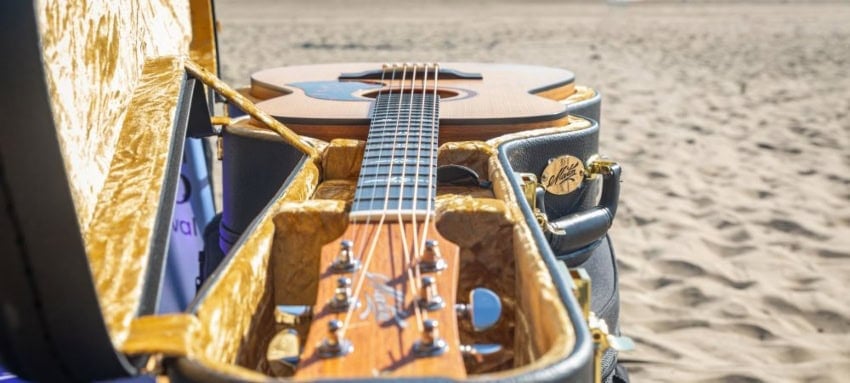
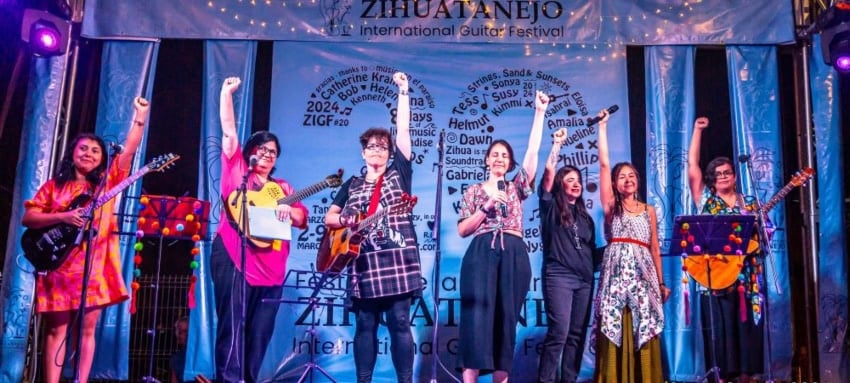
The inaugural festival in 2004 featured 15 musicians — eight local and seven foreign — who played in bars simultaneously over four days. From these modest beginnings, the Zihuatanejo International Guitar Festival (ZIGF) has grown into an annual eight-day festival with 12 venues and 17 shows that attract thousands of attendees and top-notch musicians from around the globe.
Held from the first to the second Saturday in March, this year’s event will take place March 7–14, 2026.
Heidi Nygård, the ZIGF’s director since 2016, said the festival has succeeded thanks to the hard work of the founding members. “It began with a small group of friends who loved music and wanted to bring something more to the community.”
Nygård says she is indebted to the festival’s first director, Catherine Krantz, who ran the show from 2004–2014, at which time Heidi became codirector, until taking the reins in 2016. Throughout the festival’s 22-year history, volunteers have managed the entire event. In addition to committee members who meet throughout the year, 100+ folks volunteer for the festival week.
“People love it,” Nygård said. “They get a badge and a T-shirt, and they get to hang out with the musicians.”

ZIGF is a nonprofit organization, and ticket sales, donations, sponsorships and merchandise sales cover the festival’s expenses. The mission has remained the same since the concept first took shape: Besides hosting world-class musicians, the festival generates tourism in Zihuatanejo, benefiting businesses and the local community. It also increases cultural awareness, improving the quality of life for residents and tourists.
Last but not least, an integral component of ZIGF’s mission is presenting educational concerts to local schoolchildren, including those in marginalized communities where music education is not part of the curriculum.
More like a vacation
In addition to its homegrown roots, ZIGF prides itself on being a different kind of music festival. “It’s not as stressful as normal gigs,” said Nygård. “Musicians only play two 60-minute sets, plus join in the opening and closing concerts. It’s more like a vacation.”
Another reason ZIGF is different from most guitar festivals is that it mixes genres. The 2026 festival, for example, features 24 musicians, playing gypsy jazz, classical, contemporary, tango, fingerstyle, Americana, flamenco and more. The performers hail from far-flung countries, including Cuba, Argentina, Canada, Italy and the United States. Half of the guitarists are Mexican.
The diversity of musicians encourages collaboration and lasting friendships, explained Mariana Sánchez Zoletto, ZIGF committee member who coordinates artists’ arrivals and departures. “A camaraderie develops among the musicians,” she said.
This is also because the musicians all stay in one hotel, which is rented in its entirety by the organization. They quickly become friends, said Milner, who is now a ZIGF committee member and the current festival emcee.
“We all have breakfast, and we hang around the pool,” he continued. “Then the guitars come out.”
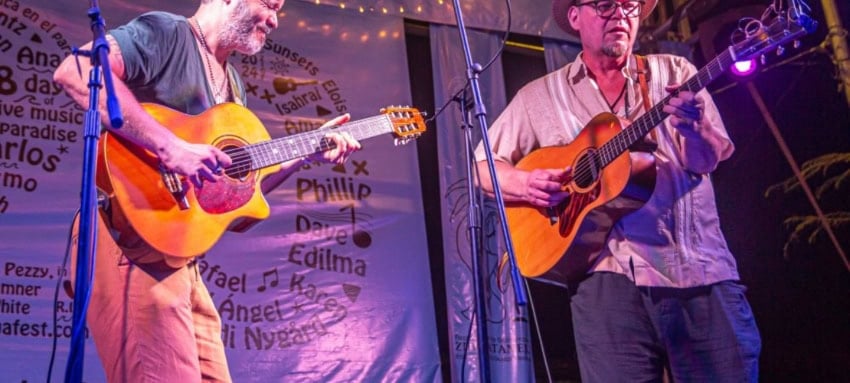
Milner encourages the musicians to invite others to join them during their sets. “It reinforces the notion that music is the universal language,” he said.
Audience members are also charmed by the uniqueness of the festival, according to Sánchez. “Something special happens — with the place, the people. I’ve seen people transform. By the second or third day, you see a glow.”
Jossy Gallegos, a singer and guitarist from Petatlán, Guerrero, who has performed at ZIGF numerous times, agreed. “The audience is really present. They really listen,” she said.
ZIGF offers a unique experience to musicians, she added. “It’s a warm feeling. It’s what any musician would want.”
Inspiring young minds
Touching the lives of local schoolchildren through school concerts continues to be the festival’s most important mission, Nygård said. Originally, students were invited to attend concerts at a central venue.
“There wasn’t much of an educational essence to these events.”
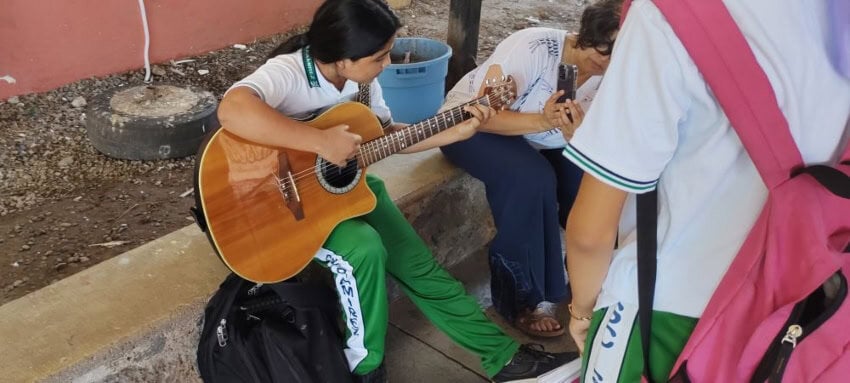
Today, ZIGF teams up with P.R.I.S.M.A. — a Mexican nonprofit founded by Morgan Szymanski that promotes artistic education in vulnerable communities — bringing festival musicians to the schools, where they present intimate concerts to students, incorporating lessons about musical notes, tempo and their instruments.
“It’s extremely gratifying,” Milner said. “Some of these kids have never seen an instrument played before. You don’t know how many young minds we might be inspiring to take up an instrument.”
Playing for schoolchildren is a unique way of connecting with them, says Gallegos, who started playing the guitar when she was nine. When the musicians go to the schools, she said, it makes the kids feel important.
“They feel seen,” she said.
After the concerts, students often line up for her autograph. “At one school, a lot of girls came up to me and asked for my phone number,” she recalled. “They still text me. It’s like a bond.”
“I don’t have enough words—what the festival does at schools,” Gallegos added. “It’s a little event, but there is a great impact. The kids are able to dream other dreams.”
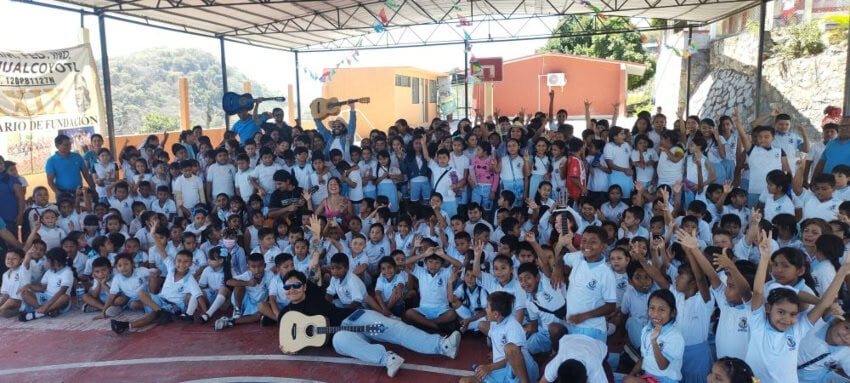
Musicians, volunteers, committee members and audiences all agree ZIGF is an extraordinary event that brings people together.
“The festival is universally loved by everybody,” said Milner. “It’s been a highlight of my professional life.”
How to attend
Visit www.zihuafest.com to purchase advance tickets. Single tickets are also available at each venue and during the presale in downtown Zihuatanejo the week before the festival. Ticket holders must also make reservations at all restaurant venues due to limited seating. A required minimum consumption amount applies at dinner shows.
Interested in volunteering?
Apply online to volunteer for this community-led, community-funded and community-minded festival. There are volunteer opportunities in four main areas: administrative, promotional, on-site and transportation.
All volunteers receive training, a free T-shirt and a complimentary festival pass, as well as gratitude and as many high fives as they want! Visit www.zihuafest.com/volunteers to apply.
Businesses are welcome to support the festival through sponsorship. For more information, contact zihuafest@gmail.com.
Peggy Sijswerda is a freelance writer who divides her time between San Miguel de Allende and the Netherlands. She writes about travel, food, culture, and wellness and is the author of Still Life with Sierra, a travel memoir.