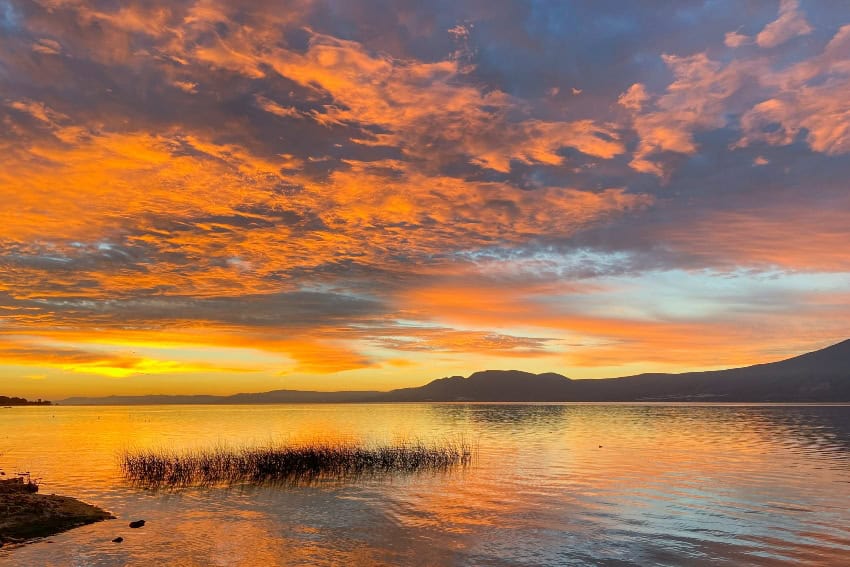
Very few people know today that a steamship once sailed on the waters of Mexico’s largest lake. Her name was Libertad (Freedom), and her splendorous life would end abruptly on March 25, 1889, when she sank carrying 200 passengers.
Libertad was the first steamboat to sail Lake Chapala and one of the greatest symbols of modernity in Western Mexico. The ship was inaugurated in 1868 by the Chapala Lake Steam Navigation Company, founded and managed by Scottish businessman Duncan Cameron.
Libertad and Ocotlán
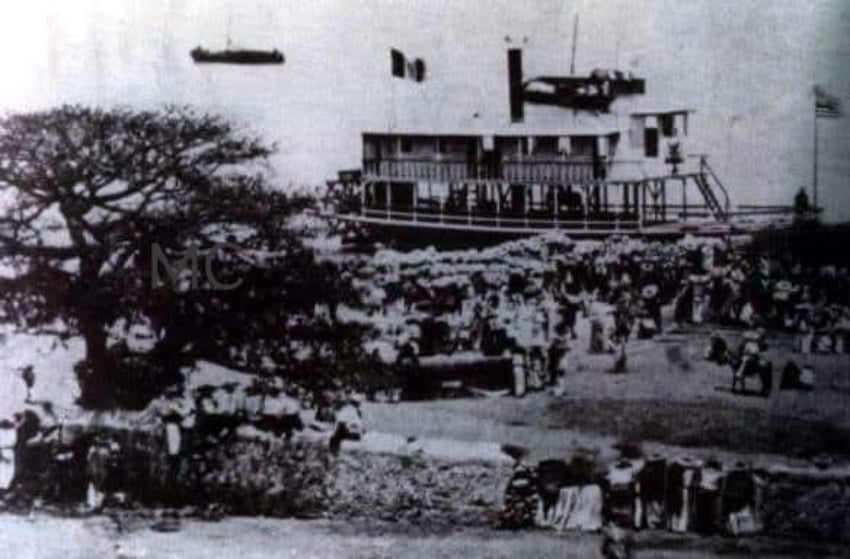
During its golden years, Libertad was used for Sunday outings and social events from the region’s upper classes. It also carried goods from the area, such as fruits and seeds that would be merchandised to other parts of Mexico through the Ocotlán train station.
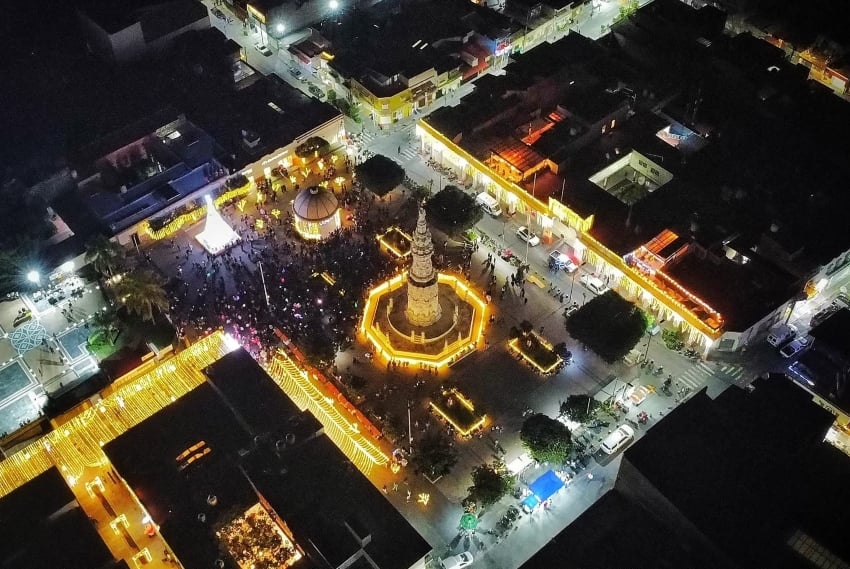
Back then, Ocotlán was a strategic city for commerce and travel as it had a modern train station that was part of the national railway network. Ocotlán was the gateway to other parts of Mexico, including Guadalajara, Mexico City and even Ciudad Juárez in the north.
Picture wealthy tourists from Jalisco and neighboring states stepping down from train cars at Ocotlán’s modern train station, eager to be taken to the dock to board Libertad. Once on board, travelers were treated with refreshing drinks and snacks while a band played popular songs of the time.
Libertad’s layout and voyages
The steamship made voyages between Ocotlán and La Barca, stopping in Chapala, Jocotepec, Jamay and Tuxcueca. Along the way, tourists enjoyed scenic views that featured mango and papaya orchards, lakeside villages and herons flitting among floating lilies. Thanks to two chain drives that powered the propeller blades at the stern, Libertad could navigate at up to 15 kilometers per hour.
The ship had three spacious levels. The first one housed the boiler, which stored firewood, coal and corncobs, while also providing space for cargo and crew. The second level was dedicated to passengers and could carry up to 100 people. Finally, the third level housed the captain’s cabin.

Reports of the time say that Sundays were particularly busy, with many families looking to board Libertad and sail along the Ribera. It was precisely on a spring Sunday that, due to high demand and relaxed rules, Libertad welcomed more passengers than it could safely host.
The day of the tragedy
Reports from that time say that on the day of the tragedy, the steamship was carrying some 200 passengers, including children. Legend has it that the cause of the disaster was not overbooking but rather a form of divine punishment, as the passengers had desecrated a church in Jamay.
Eyewitness accounts reveal that the passengers spent the entire morning sailing. Upon arriving in Jamay, they entered the church and began to dance. Witnesses reported that some of them desecrated the saints by placing cigarettes in their mouths and mocking the religious images.
As the steamship returned to Ocotlán before sunset, intoxicated passengers began dancing and running on an already overloaded upper deck. The violent movements caused the ship to rock, allowing water to enter the vessel.
The sinking of the Libertad
Reportedly, the ship was approaching the port of Ocotlán at approximately 4:30 pm, as it sailed the Zula River. But some 15 meters from the dock, many passengers — either frightened or eager to disembark — crowded onto the starboard side (bow), causing the ship to list. The vessel then struck a submerged tree trunk, causing those on board to fall into the water. Within minutes, the ship sank completely after water entered the boiler, creating a jet of steam that trapped those on the first deck.
The river was immediately filled with people, with entire families being swept away by the current. Laments and cries for help contrasted sharply with the merriment and laughter of just moments before.
The tragedy claimed the lives of 28 people, including children.
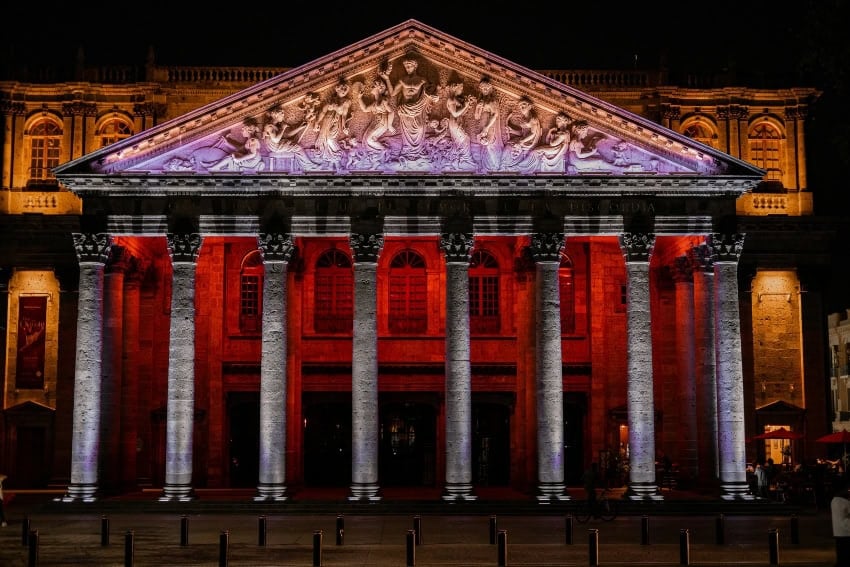
Many townspeople who participated in the rescue efforts were honored as heroes in a special ceremony on Sept. 16, 1889, at the Teatro Degollado in Guadalajara. Fifteen residents of Ocotlán received medals from General Ramón Corona, the state governor.
A second life
Following the accident, the vessel was ultimately salvaged and taken to Chapala, where it was blessed in an effort to remove the negative impression left on the victims and residents of Ocotlán. This blessing also aimed to atone for the sacrilege committed by the passengers in the Jamay temple.
Yet, locals refused to board Libertad again, and its owners were obliged to take it to Lake Pátzcuaro in the neighboring state of Michoacán, where it was renovated and renamed as Don Vasco. The boat had a second life and sailed on Pátzcuaro Lake well into the 20th century.
Gabriela Solis is a Mexican lawyer turned full-time writer. She was born and raised in Guadalajara and covers business, culture, lifestyle and travel for Mexico News Daily. You can follow her lifestyle blog Dunas y Palmeras.