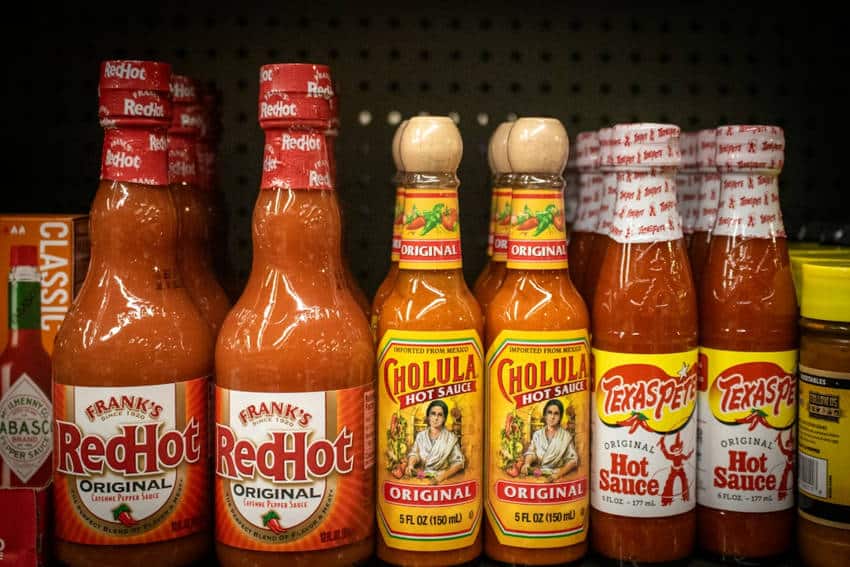
You don’t even have to read the label to know what it is — that distinctive wooden cap is all it takes to identify Cholula Hot Sauce. What many don’t know is the story of how this small bottle of Mexican salsa picante went from a simple tequila chaser to an $800 million product and the third-most popular hot sauce in the United States.
While the rise from a national brand to Cholula’s global presence today may seem an overnight success, it was actually 100 years in the making, involving family cooks, tequila titans, baseball stars and an advertising strategy that would eventually conquer palates from Austin to Amsterdam. This is the story of how authentic Mexican flavor, wrapped in sustainable beechwood and backed by brilliant marketing, built a global hot sauce empire that proves good taste knows no borders.
The legend behind the label
According to the Cholula lore, Camilla Harrison was working as a cook for the Cuervo family — as in Don José Antonio de Cuervo, the tequila titan. One day, the story goes, while experimenting in the kitchen, she came up with a locally infused version of sangrita, the red peppery sauce generally used as a complement to the agave spirit.
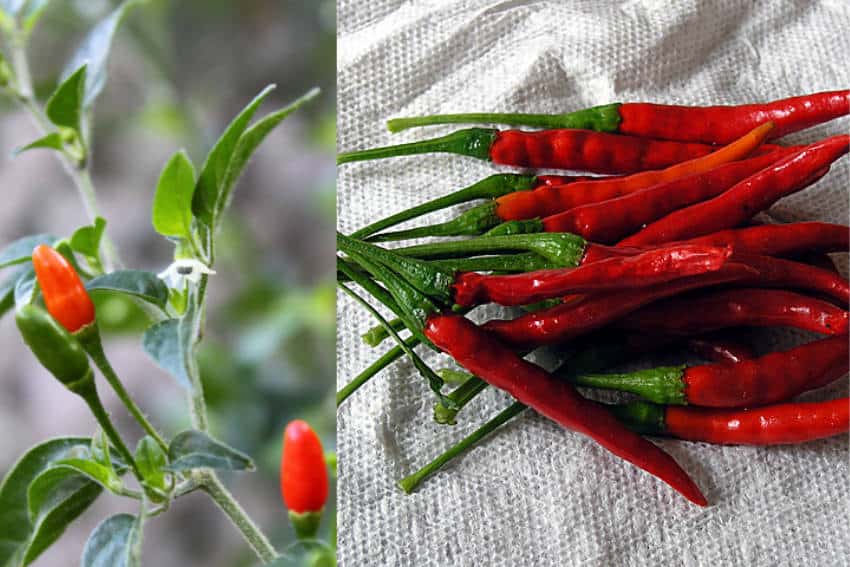
Her mixture of citrus juices, piquín and árbol chili peppers, vinegar and spices captivated the Cuervo family’s taste buds, enough that the family bought the rights to Harrison’s creation, standardized her recipe and produced the sauce at factory scale to sell as a versatile table condiment.
No documented evidence exists to confirm whether or not Señora Harrison received any financial compensation, though local lore speculates it’s her caricature on the label. It’s possible that by the time the sauce hit Mexican shelves in the mid-20th century, she was no longer alive — that is, if she ever existed at all.
But the Cuervo family’s decision to name their sauce not after their city but an ancient one would prove to be marketing genius.
Sacred geography, secret recipe
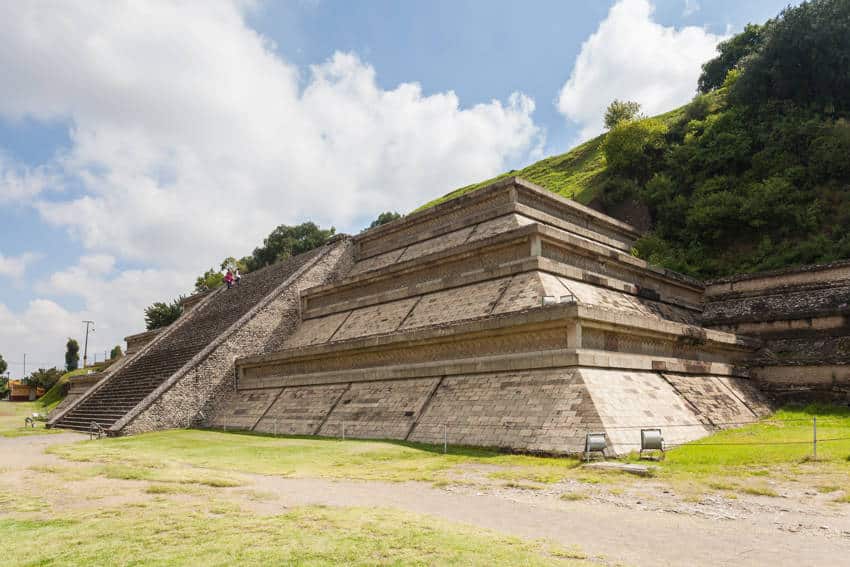
The choice to name the sauce “Cholula” rather than “Chapala” wasn’t accidental. Mexico’s 2,500-year-old city of Cholula lies at the base of Popocatépetl volcano, the longest-inhabited city in North America and home to the largest pyramid in the world by volume.

The city today is known for churches, sopa Cholulteca and this little bottle of hot sauce that actually comes from Jalisco. How did that happen?
From a brand psychology perspective, naming your sauce “Cholula” taps into an ancient Mexican archaeological and cultural powerhouse. This distinction far surpasses the usual playfulness of bottled sauce brands, the name signaling history, continuity and something more serious than your average hot sauce. This broader implied link between regional cuisine and deep-rooted traditions aligns well with the consumer search for “authentic” Mexican flavors in global markets.
In other words, Cholula’s symbolic geography gives this tiny bottle of hot — and not overly so — sauce instant credibility in a crowded marketplace.
Riding a Mexican-food wave
In the 1970s, the West witnessed a surge of interest in Mexican cuisine, notably after British-born food writer Diana Kennedy published the cookbook “The Cuisines of Mexico” in 1972 in the U.S.
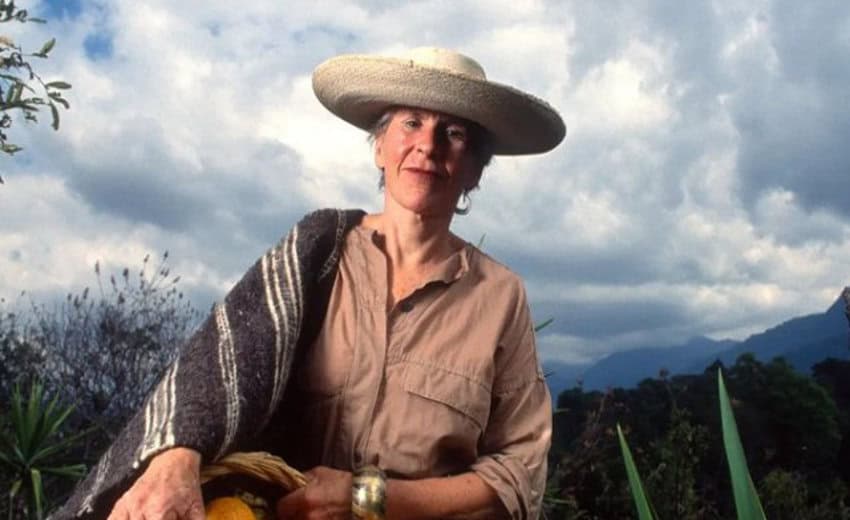
The book has been largely credited with changing how the English-speaking world viewed Mexican food. Tex-Mex chefs like Stephan Pyles and Robert Del Grande became household names in the ’80s, defining the flavorful cuisine as a trendy alternative to an otherwise bland American diet. To top it off, the number of Mexican immigrants to the U.S. more than tripled between 1970 and 1990, according to Pew Research.
This perfect storm of factors caught the eye of the Cuervo company, which saw a clear path to commercial success.
When Cholula Hot Sauce launched in Austin, Texas in 1989, it quickly spread throughout the U.S. via supermarket chains. Twenty years later, Cholula would emerge as one of the country’s leading hot sauce brands; by 2020, its annual retail sales reached approximately US $96 million. This success is owed, in part, to McCormick & Company’s acquisition of Cholula Hot Sauce in the same year.
From baseball diamonds to pizza boxes
Cholula’s marketing genius lay in understanding American culture beyond just taste buds. The company seized upon baseball as a promotional tool, running a prominent “Order of Cholula” campaign with New York Mets pitcher Noah Syndergaard around 2017, in which he discussed using the sauce as part of his routine.
Significant investment in baseball sponsorships also included a multiteam ‘Cholula Flamethrower’ MLB program that combined in‑stadium and on‑air exposure, placing the sauce at concession stands. The widespread presence throughout “America’s favorite pastime” led to the creation of the Cholula Porch space at the Texas Rangers’ Globe Life Park in Arlington.

A Cholula marketing campaign in the late aughts centered around then New York Mets star pitcher Noah Syndergaard marketed Cholula to American millennials as a passionate lifestyle choice and raised the hot sauce’s visibility in the U.S.
These sports partnerships helped move Cholula from a niche Mexican‑restaurant condiment into a broader part of American food and fan culture — although not without some friendly competition from a brand from the U.S. South.
David vs. Goliath: Taking on Tabasco
The Cholula and Tabasco brands compete for the same condiment real estate — on diner counters, in stadium condiment offerings, on brunch tables and in supermarket aisles — but they occupy distinct spaces in terms of origin, flavor and brand personality.
Cholula is marketed by McCormick as a Mexican hot sauce with medium heat and a rounded, food-first flavor profile meant to “go on everything,” supported by strong placement in North American restaurants and grocery chains.
Tabasco, produced by the McIlhenny Company on Avery Island, Louisiana, is framed as a foundational American brand, known for its sharp, vinegar-forward, fermented chili taste and its longtime use in hospitality, airlines and home kitchens worldwide.
Both use hot peppers as their base, but the fundamental difference lies in flavor philosophy: Tabasco ages mashed peppers and salt in white oak barrels, then blends them with vinegar, which dominates the taste. Cholula’s approach prioritizes the peppers themselves, so you instead taste the piquín and árbol peppers, not the vinegar or the wood.
McCormick explicitly positions Cholula as a premium brand that can compete in the same spaces where Tabasco traditionally dominated, offering different flavor experiences but solving the same basic consumer need: a trusted, everyday hot sauce that enhances rather than overwhelms food.
A global phenomenon
Today, Cholula has official distributors across Europe, with dedicated sales managers within United Kingdom and German distribution networks. Major British retailers like Tesco stock it alongside traditional favorites. British consumers specifically seek it out as an alternative to vinegar-heavy sauces, wanting “developed and well-rounded pepper flavor without a searing hot punch” — a perfect example of why Cholula succeeded where other hot sauces couldn’t.
Market research now lists Cholula among the major players in the European hot sauce market, with the U.K., Germany, France and the Netherlands emerging as leading consumers. The scramble for hot sauces in Europe highlights a broader cultural shift, as demand for Mexican cuisine and spicier condiments moves these flavors from niche products into everyday pantry staples.
The Cholula Effect has spread beyond the plate, showing how genuine cultural products can transcend borders and make the world a more flavorful place, one wooden cap at a time.
Bethany Platanella is a travel planner and lifestyle writer based in Mexico City. She lives for the dopamine hit that comes directly after booking a plane ticket, exploring local markets, practicing yoga and munching on fresh tortillas. Sign up to receive her Sunday Love Letters to your inbox, peruse her blog or follow her on Instagram.