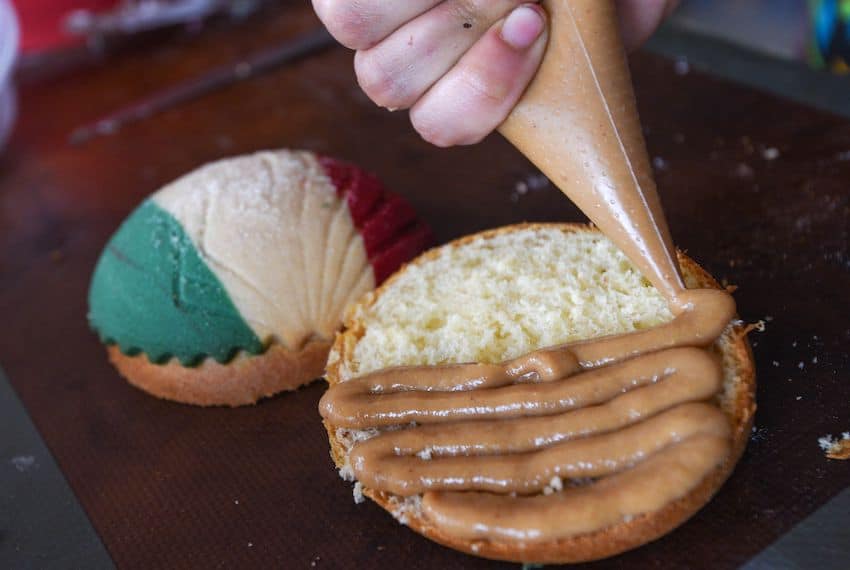
Mexican pan dulce (sweet bread) has officially been declared Intangible Cultural Heritage of Mexico City, a recognition aimed at safeguarding one of the country’s most fundamental culinary traditions.
The initiative was driven jointly by the city’s Ministry of Culture and the National Chamber of the Baking, Pastry and Related Industries (Canainppa), a trade organization with more than 80 years of history representing Mexico’s bread industry. Beyond advocacy, the chamber provides its members with legal, tax and operational guidance, along with specialized training, as part of its broader mission to strengthen artisanal baking and support the growth of bakery businesses nationwide.
An award-winning bakery launches a definitive ‘map’ of Mexico’s abundant bread types
The declaration was approved during the First Extraordinary Session 2026 of Mexico City’s Interinstitutional Commission on Cultural, Natural and Biocultural Heritage. The next step is formal publication in the city’s Official Gazette, expected in September.
According to Julián Castañón Fernández, president of the Canainppa, the declaration is “not merely a technical document. It is a living testament to our traditions, to the creativity of our master bakers and to the cultural scene of Mexico City and Mexico as seen by the world,” he said during the Aug. 7 Session.
Canainppa also submitted a request to the city’s Heritage Commission for pan dulce to be recognized as Intangible Cultural Heritage of Humanity by UNESCO. That proposal was approved and now moves forward, with backers arguing the tradition goes far beyond food — it’s woven into collective memory, celebrations and everyday customs across Mexican communities.

From conchas to orejas, sweet bread has long been a fixture of Mexican mornings and family gatherings — recently motivating an internet campaign defending its greatness in response to foreign haters.
With reports from Aristegui Noticias and El Financiero