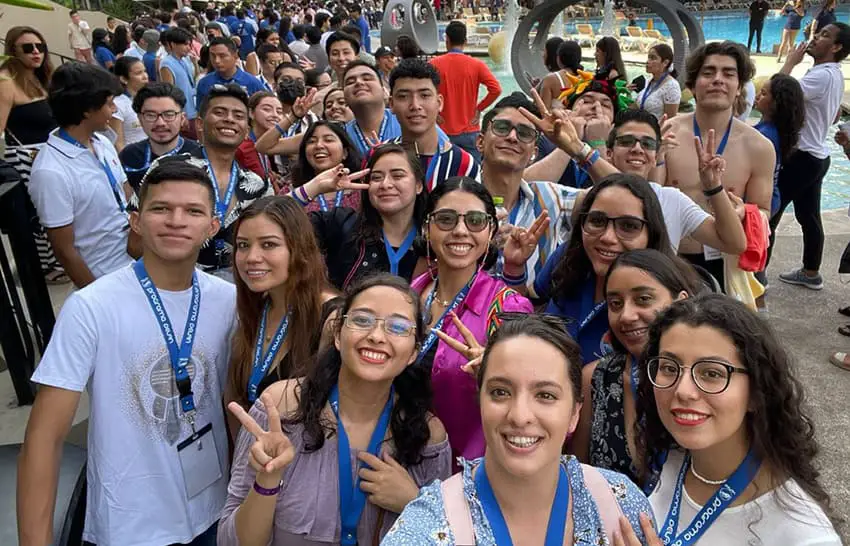
What was once a small program allowing Mexican undergrads and graduate students to do extra research during summer vacation has blossomed in ways its founders never dreamed of.
The official name of the program is the Inter-Institutional Program for Strengthening of Research and Graduate Studies in the Pacific. Fortunately, everyone calls it the Programa Delfín — the Dolphin Program — thanks to its logo: a leaping dolphin.
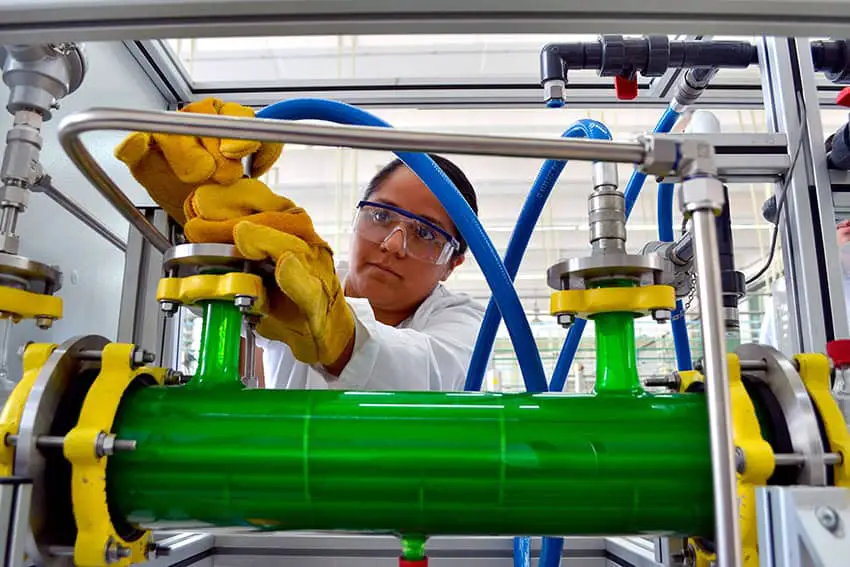
The program began in the states of Sinaloa and Nayarit nearly 30 years ago and since then has brought close to a hundred thousand young researchers into contact with more experienced scientists, often in far-off universities.
The students spend seven weeks at the host institution while working on a research project of their choice under the guidance of a local faculty member.
Two young people who signed up for the Dolphin Program this summer are Carolina Ortíz and Paulina Blanco, both students at the Autonomous University of Aguascalientes (UAA).
The lure of ecotoxicology
I asked Ortíz what inspired her and Blanco to go off to another university to do research in the middle of the summer.
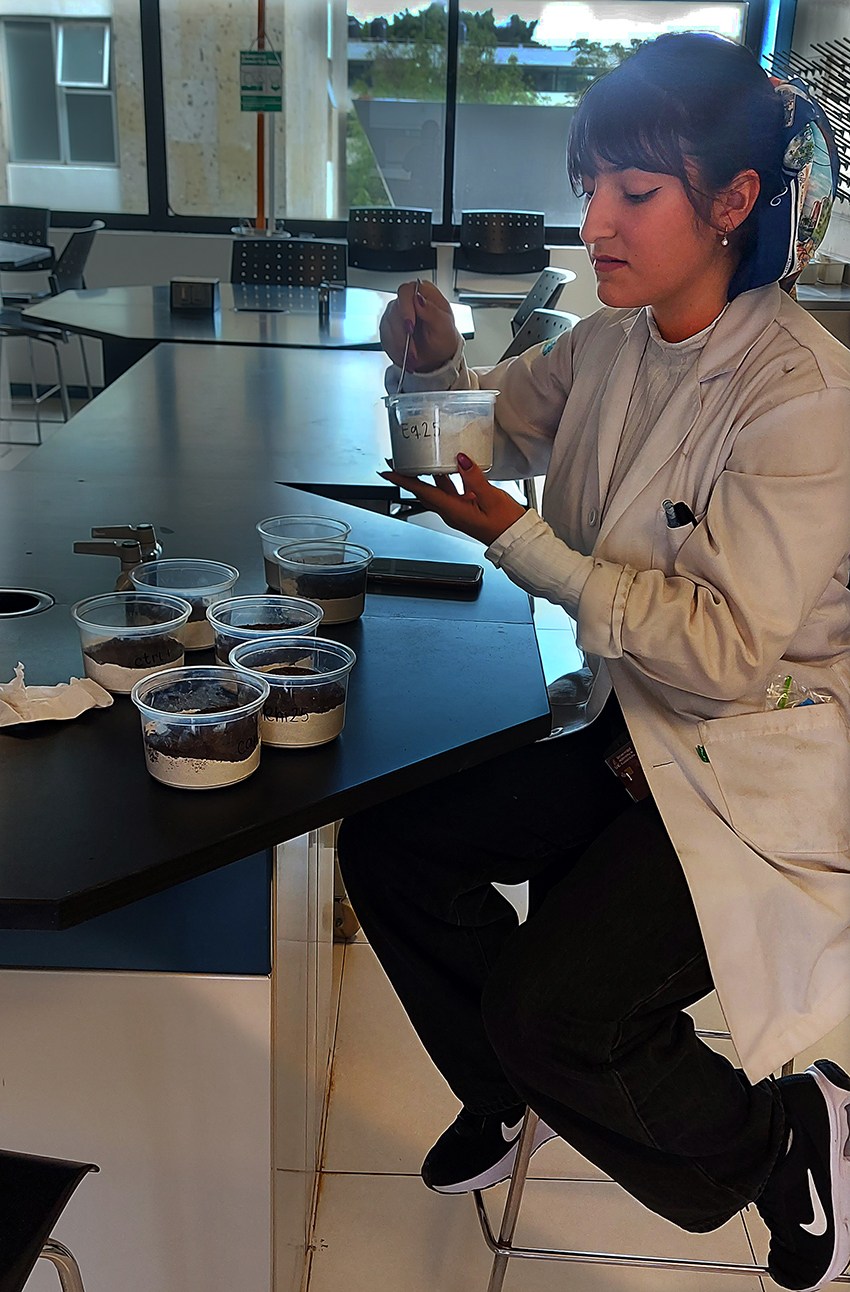
“We are both starting our seventh semester and thinking about our theses,” she told me, “and we came across a Dolphin Program project at the Autonomous University of Guadalajara (UAG), listed under the heading of ‘ecotoxicology,’ which involves studying the effects of pollution on the ecological environment. This appealed to me because I like projects that innovate by using living systems to solve pollution issues.”

“I also found this line of research interesting,” Blanco chimed in. “I like organisms that tell you about the environment, as opposed to chemical or physical analyses.”
Coffee pollution
The author of this ecotoxicology project at UAG is Dr. José Luís Zavala, whose specialty is earthworms. I asked him what sort of pollution issue he was trying to solve with worms —and his answer surprised me.
“Coffee pollution!” he exclaimed with a smile. “Do you know what the second most consumed product in the world is after petroleum? It’s coffee! Yes, coffee is, in fact, a bigger seller than corn, rice or wheat. But there is a problem related to the world consumption of coffee.”
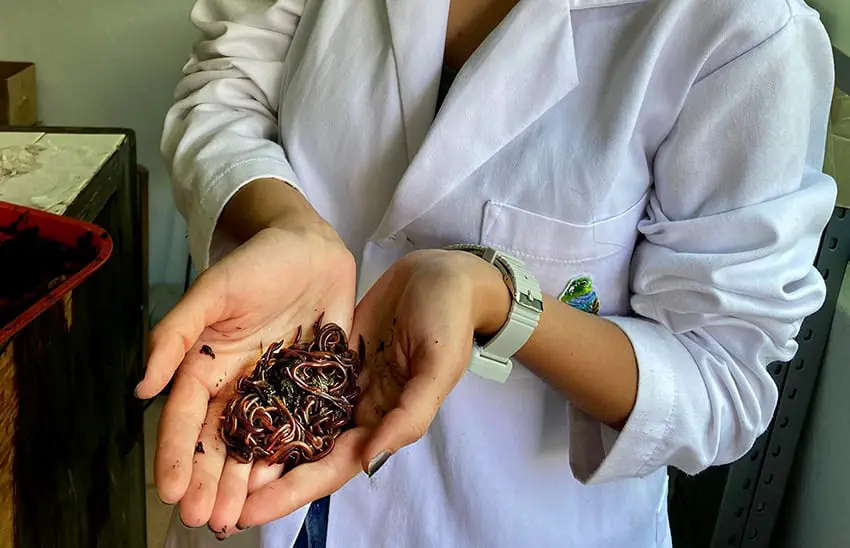
“We are interested only in the seed, but what about the fruit of the coffee tree: the coffee cherry? Most coffee growers have no use for it and to make things worse, this fruit cannot be composted easily. Perhaps it’s due to its acidity, but we also know that caffeine can kill organisms in the soil. As a result, there is a great accumulation of coffee bean byproducts all around the world.”
Worms to the rescue
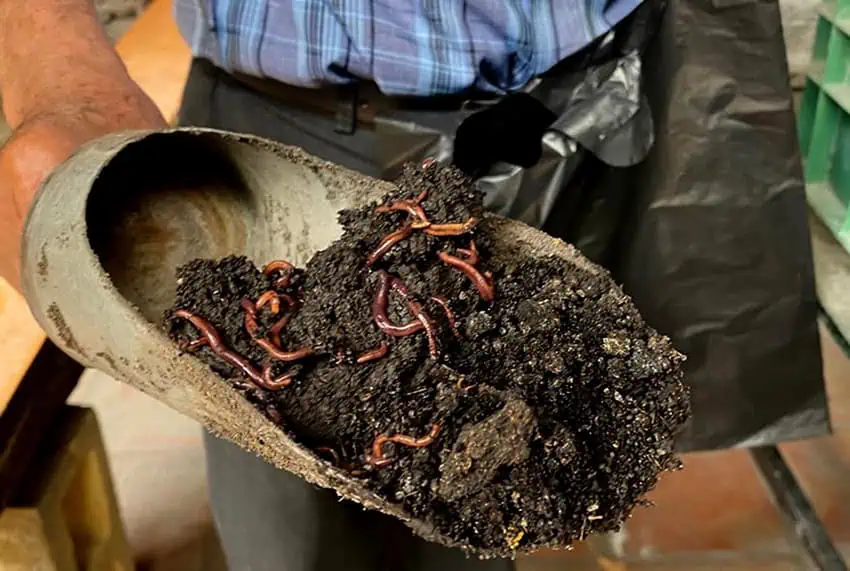
Zavala has been experimenting with coffee pulp. “And then I ask my earthworms, ‘What do you think of it?’ Well, worms do have the ability to speak,” he says, “if you can learn to read their language. Sad to say, my worms immediately die when placed in contact with this organic material. The more pulp that is added to the soil, the higher the death rate of my beloved worms.”
Zavala happily accepted the help of Dolphin Program students to try different treatments to the coffee pulp, followed by trials with the worms. Interestingly, as time went on, the researchers began expanding the treatments to include exposure both to horse and goat manure as well as to the Rhizopus fungus, which typically appears on tomatoes that have gone bad.
At the end of the seven weeks, the problem of coffee pollution had not been solved, but all three researchers had become excited about new approaches to the problem that they had come upon while working together.
An international success story
The Dolphin Program is celebrating its 29th birthday this year. One of the people who were involved in its very inception is the program’s current Coordinator General, Carlos Jiménez González.
Jíménez told me that the Dolphin Program started out in 1995 as the summer research program of the Mexican Academy of Sciences (AMC).
“It was so popular,” said Jiménez, “that it was transformed into a program for Mexican institutions of learning along the Pacific Coast. But that, too, surpassed all expectations and today it has become an international network of 301 institutions which, over the years, has reached more than 88,000 young people.”
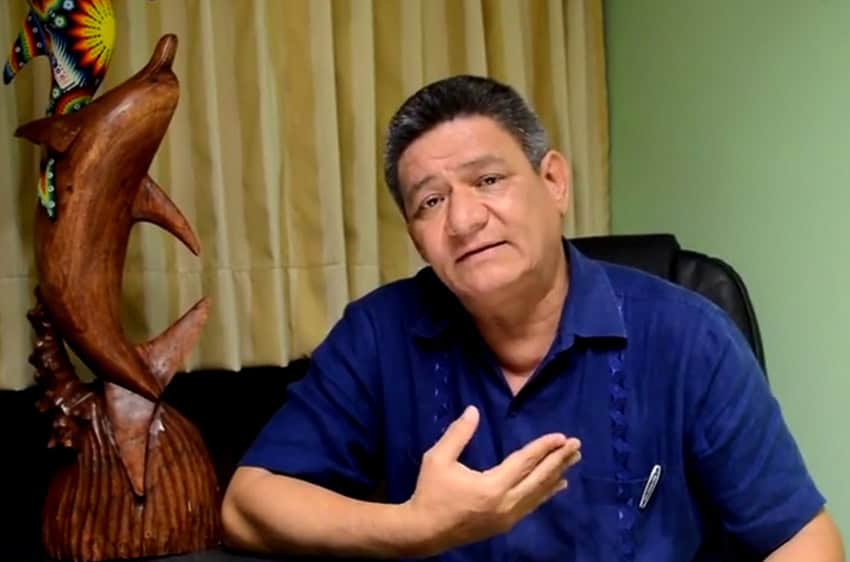
“It is still a Mexican program, but we now share it with Colombia, Costa Rica, Ecuador, the U.S., Nicaragua and Peru, and we have other countries such as Chile, Argentina, Uruguay, and Brazil waiting on the sidelines. I feel we are not only training good researchers but also good people, good citizens, which our society desperately needs. Just this summer alone, we affected over 10,200 students.”
The Dolphin Program makes it possible for young people to do what could be called research for the fun of it. The concept, thousands of participants in this program seem to be telling us, is as irresistible as dolphins themselves.
John Pint has lived near Guadalajara, Jalisco, for more than 30 years and is the author of A Guide to West Mexico’s Guachimontones and Surrounding Area and co-author of Outdoors in Western Mexico. More of his writing can be found on his website.