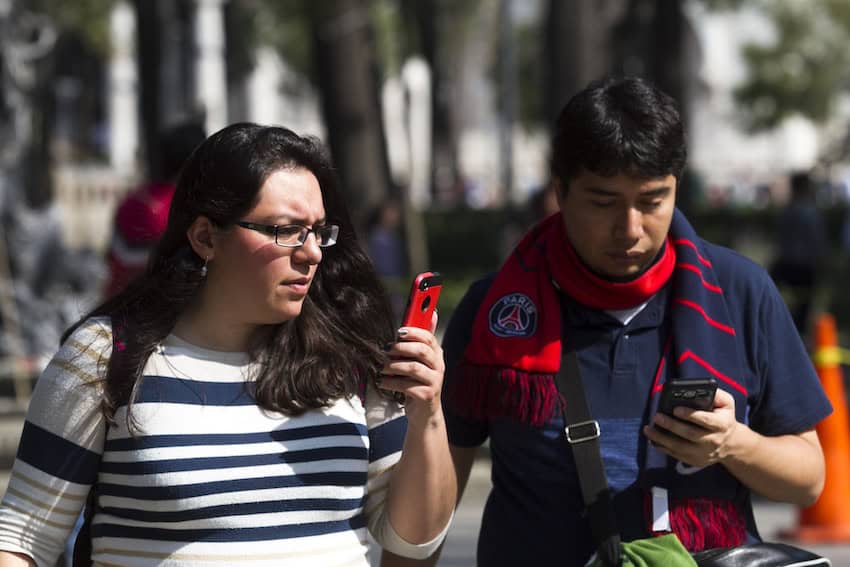
It’s New Year’s Eve, and I’ve just clicked on two articles. One is called, “How to break free from your phone.” The other is, “Want more self-control? The secret isn’t willpower.“
Can you see a pattern here? I sure do.
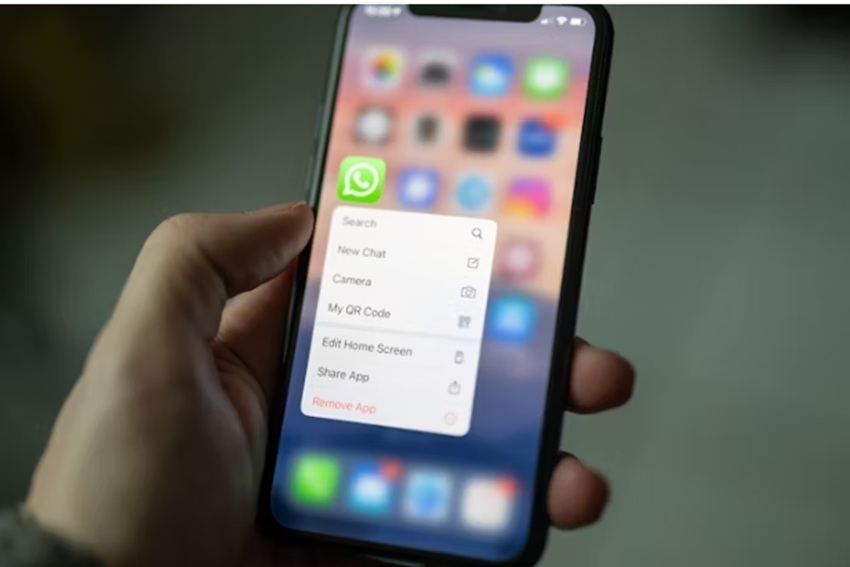
I’m hooked, you’re hooked, we’re all hooked. I wouldn’t be surprised to learn that the dude driving the train that went off the rails in Oaxaca was scrolling on his phone in the minutes before (victims so far have simply commented on the speed with which a sharp turn was approached.)
I’ve been musing lately with my partner that the only way to make an interesting movie lately is to set it in the “before times” — you know, before we had powerful, fast smartphones with the whole of human knowledge and entertainment at our fingertips. Some plots cause the characters to lose their phones for some reason, while others simply pretend they haven’t taken over our collective attention spans. Hallmark and Lifetime-type movies especially tend to create a special world where people practically forget they have smartphones in the first place. A phone rings, they pause as if trying to figure out what’s making the sound, and then fish it out from the bottom of a bag? Please.
Lots of movies and shows these days are set in the past, I think, to get around this problem. Why? With everyone walking around with their eyes glued to a tiny computer, there’s just less novel activity to notice.
What does this have to do with Mexico?
Well, Mexico’s being swept up in the same technology as the rest of the world is. As of 2024, over 80% of the Mexican population were internet users, with most of them accessing the internet on their phones.

Uh-oh.
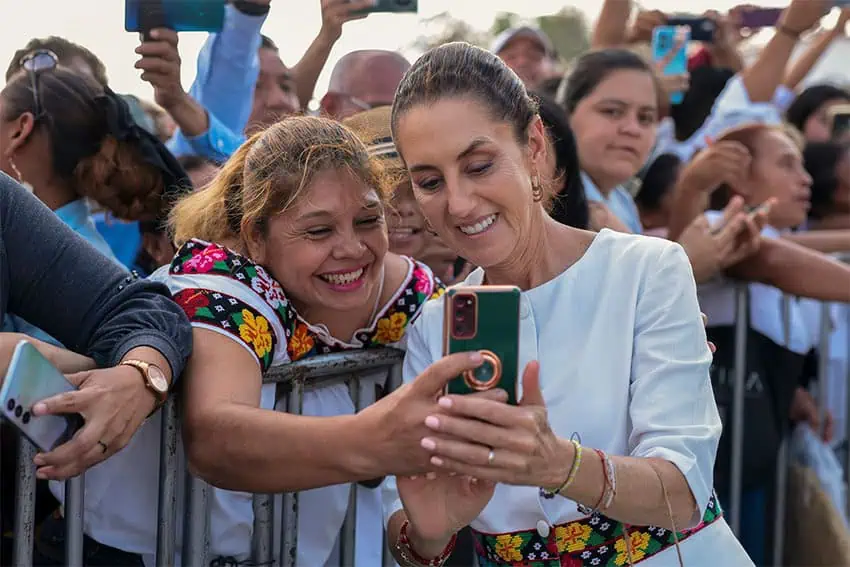
The internet, of course, is not in and of itself bad. It’s a tool, and there’s a lot of great things to be found — like this website, for example! Smartphones are also a tool, as are computers, as is the much-hyped but fairly brain-smoothing Artificial Intelligence. And as much as I gripe about too many screens, I still got my kid a new iPad for Christmas (in my defense, I can control app use and screen time).
Perhaps it’s the ability to take these “tools” with us everywhere that’s the problem. When I arrived in Mexico in 2002, cell phones were still a relatively new thing. Some people had radio-like “Nextels” instead, actually. They were really noisy and made the users sound super important.
I had access to the internet back then, but I had to go to the internet café across the street to use it. I’d write some emails and maybe chat on MSN Messenger for a bit — the preferred platform then — and then go about my business. I’d do that maybe once or twice a week. These days, it’s nearly impossible, and not a little panic-inducing, to even think of going an entire day without my phone. What if something happens?
Most often, of course, nothing happens, and the phone serves as simply a distraction device. I have conversations on WhatsApp and check my email. And though I’ve long since removed the “slot machine” apps from my phone (goodbye, Facebook and Instagram!), I still find myself reaching for it in times of boredom or anxiety, simply as something to do. Does the fact that I mostly use it to read news articles make it any better? [Editor’s note: Yes, if it’s MND] Maybe for my brain, but certainly not for my social skills.
To make things more complicated, we actually miss out on a lot of important things without it. How many locals do you know, for example, that you can get a hold of by any means besides WhatsApp? Banks require smartphone verifications, and essential communication for our jobs happens over an array of messaging platforms.
You could give them a ring, except for the fact that most people don’t even answer their phones anymore. Extortion by phone is so rampant, and landlines are becoming a thing of the past. The option to simply ignore your phone is really just a privilege. We’re expected to be forever available on it, while expectations for in-person availability have plummeted.
In the end, the feeling now is that the tech overlords have simply won. We’re addicted, and now we’re so addicted that we can’t do much to stop them. All of us, I believe, have a hunch that it can’t be good for us, the way smokers must have before there was actually hard evidence of the damage smoking caused.
Shortages of available land and water for AI? Oh yes, that does sound very bad! We’ll think of what to do about it as soon as we’re done watching this TikTok.
And that right there — I mean, it was a joke, but still — is our whole problem. Look up while sitting in a café or the park these days and I guarantee you’ll see at least half of everyone, workers included, with their heads bent toward their phones. No more chatting in public transport; everyone’s in their own private world now. For introverts, it’s likely a welcome change. For me, it’s scary and sad.
And then there’s our poor little atrophying brains.
Like Travis said, AI particularly has the real potential to make us dumber. And like the insidiousness of smartphones themselves with their unlimited endless scrolls, I fear that by the time the majority of us realize we need to do something about the damage they cause, especially to kids, it will be too late. For all the hype of AI, most people are using it as simply another distraction.
Mexican companies are mostly using it to be “more productive,” which, as far as I can tell, is code for saving money on writers and translators [Editor’s note: see me].
Maybe there are some good things coming as a result. I mean, murder and crime are down, no doubt in part because would-be criminals are too busy watching funny YouTube shorts.
But when we go along with the rest of the world in allowing our phones and endless scrolls and unlimited access to both the real and the AI-generated distract us, we lose something. Casual chats in lines and on buses disappear. Opportunities to hang out, to convivir. We don’t learn each other’s languages.
Being social is a skill, and one that Mexicans have traditionally excelled so much at that they’re famous for it. But Mexicans aren’t immune to the technology that’s seducing us all. I hope we can get a handle on it before we’re all zombies.
Sarah DeVries is a writer and translator based in Xalapa, Veracruz. She can be reached through her website, sarahedevries.substack.com.