




As I wrote about previously, Mexican citizens have a longstanding distrust of traditional banks, stemming from trauma caused by the 1994 Tequila Crisis.
If you ask a random person on the street about Mexican banks, they might also tell you they are painful to do business with. The rigid operating hours, long lines, mountains of paperwork, strict requirements and hidden fees one encounters at traditional banks here can feel like something from a bygone era.
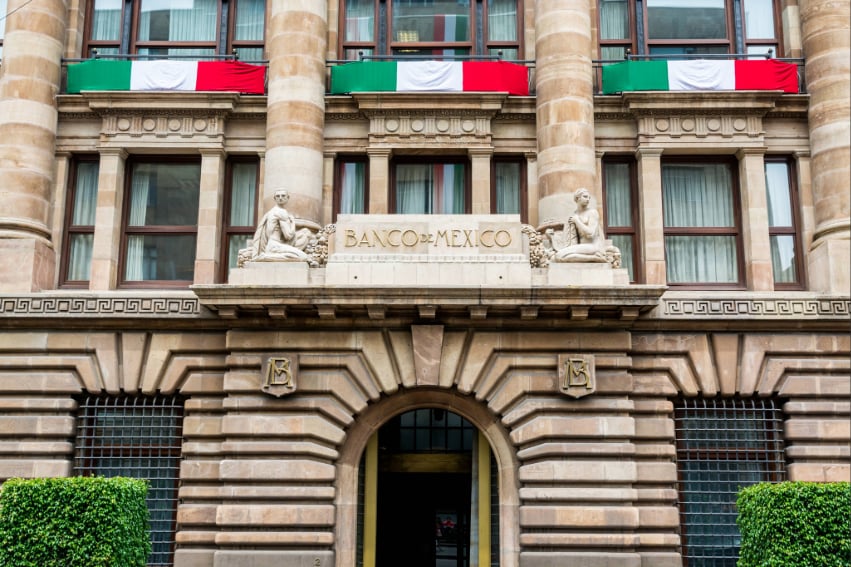
On top of a poor customer experience, the lack of traditional banks in rural areas, combined with their longstanding risk aversion, means that many Mexicans (especially moderate- to low-income workers and those with informal employment) have historically been shut out of the formal banking sector.
So, Mexico’s financial sector was ripe for a revolution.
What is fintech, and why is it such a big deal?
Fintech companies are fundamentally different from traditional banks in that they have no physical presence. They conduct business entirely through digital channels, with most users connecting to them via mobile applications.
According to a recent report from FinTech México, there were 795 fintechs operating in Mexico as of 2025, with more than half focused on digital payments and credit.
The COVID-19 pandemic was a key catalyst for the sector, and its arrival triggered a massive shakeup in Mexico’s financial markets. Forced to stay at home, many people found themselves shopping online for the first time. And with so many physical banks closed, digital payments became a practical way to pay for life’s necessities.

This prompted more Mexicans to apply for debit and credit cards, with many embracing digital payments over cash. It was possible thanks to a parallel trend — the widespread adoption of smartphones across Mexican society.
Who is the typical Mexican fintech customer?
With 12 million clients enrolled, fintech Nu Mexico closes in on acheiving bank status
Fintech customers in Mexico do not look like traditional banking clients. For one, they are notably younger.
According to BBVA Research, roughly 60% of fintech customers are between the ages of 18 and 39, with a nearly equal balance between men and women. Unlike their elders, fintech customers in Mexico strongly prefer mobile payments over physical cash.
Similar to traditional banking clients, fintech predominantly attracts middle- and upper-class people living in urban areas like Mexico City, Monterrey and Guadalajara. So, while these new businesses have had a dramatic impact on financial behavior in big cities, they have altered financial behavior much less in poorer, rural communities long deprived of banking services.
But we are starting to see some green shoots.
Fintech is starting to reduce Mexico’s unbanked population
With their accessible and low-cost services such as no-fee digital banking and electronic payments, credit cards, digital money transfers (peer-to-peer), high-yield savings accounts, stock trading platforms and more, fintech products have wide appeal across Mexico.
INEGI’s most recent survey of financial inclusion released in 2024 found that fintech is helping to improve access to financial services in Mexico, after a long standstill.
Overall inclusion, i.e., the percentage of adults with at least one financial product, rose to 76.5% in 2024, up nine percentage points from the previous survey. Individuals with a formal savings account increased to 63%, while access to credit inched up to 37%.
And most relevant to fintechs, digital financial account usage increased fivefold from 2021 to 2024 and now stands at 10%.
Who are the most important fintechs in Mexico?
While there are hundreds of fintech startups in Mexico, only a portion target retail customers (many others offer business solutions). Below are a handful worth knowing.
Brazilian giant Nubank (operating here as Nu México) entered Mexico as a fintech back in 2022 with a fiercely customer-centric value proposition.
Nu targeted consumers neglected by traditional banks with a user-friendly mobile app, cheeky advertising and credit card offers. For anyone with a smartphone, opening an account was easy (even for expats), with zero paperwork and no annual fees. Most appealing, Nu’s basic debit account came with a high-yield savings cajita attached to it, which in the early days yielded more than 12% interest, annualized (it is now 6.5%).
Their offer was so compelling that Nu rapidly became one of the largest financial institutions in Mexico, serving 12 million customers by 2025. Earlier this year, Nu obtained a Mexican banking license and transitioned to operations as a commercial bank (but will remain 100% digital).
View this post on Instagram
Fintech startups
Plenty more startups have followed Nu’s lead. Klar and Stori offer fee-free deposit accounts and extend credit to individuals who lack formal credit scores. Hey Banco (a fintech launched by Banregio), Plata (started by a Russian expat) and 100% homegrown Finsus are other examples.
Kueski is a startup that pioneered buy now, pay later (BNPL) microlending in Mexico. It allows users to make online purchases and pay in cash at physical OXXO locations.
Traditional Mexican retailers are also capitalizing on this massive opportunity in the fintech space. E-commerce giant Mercado Libre launched Mercado Pago to process payments for its gigantic online business.
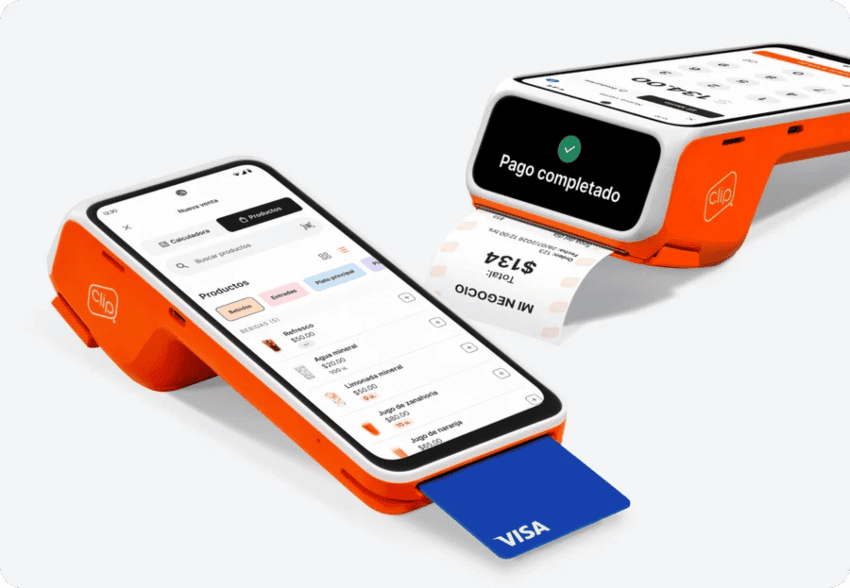
While different from the rest, Clip was Mexico’s first homegrown fintech unicorn (a startup valued at US $1 billion or more). It revolutionized business practices at mom-and-pop retail shops when it started selling affordable, pocket-sized card readers at stores like OXXO with zero monthly fees, instant activation and no need for a traditional bank account.
Through this innovation, Clip single-handedly doubled the number of retail outlets in Mexico that could accept digital payments.
Protections for investors in Mexican fintech companies
For digital investors who seldom worry about risk, last week’s unprecedented crypto heist at Binance and a smaller, unrelated theft at Polymarket are wake-up calls.
Protections for fintech depositors range from thin to nonexistent. Though the landmark Ley Fintech (Fintech Law) passed by Mexico’s Congress in March 2018 put some guardrails in place, it does not mean that fintech investors are insulated from risk.
Notably, deposits at fintech companies are not protected by IPAB insurance because they are not fully regulated banks.
Instead, funds deposited at fintechs regulated as SOFIPOs (Sociedad Financiera Popular) are covered up to 25,000 UDIs (221,000 Mexican pesos or US $11,764), while deposits in digital wallets at fintechs regulated as IFPEs (Institución de Fondos de Pago Electrónico) have zero protection.
In plain English, if a major fraud occurs inside a Mexican fintech, depositors face a greater risk of losing their money than they would at a traditional bank.
That is why it is a good idea to perform due diligence before choosing a fintech and maintain a balance below the covered threshold. Due to their popularity with scammers and total lack of deposit protection, IFPEs are best avoided.
From tipping and working with local contractors to moving money into Mexico from abroad, check out more from MND’s “Mexico and My Money” archive.
MND writer Dawn Stoner is reporting from Guadalajara.