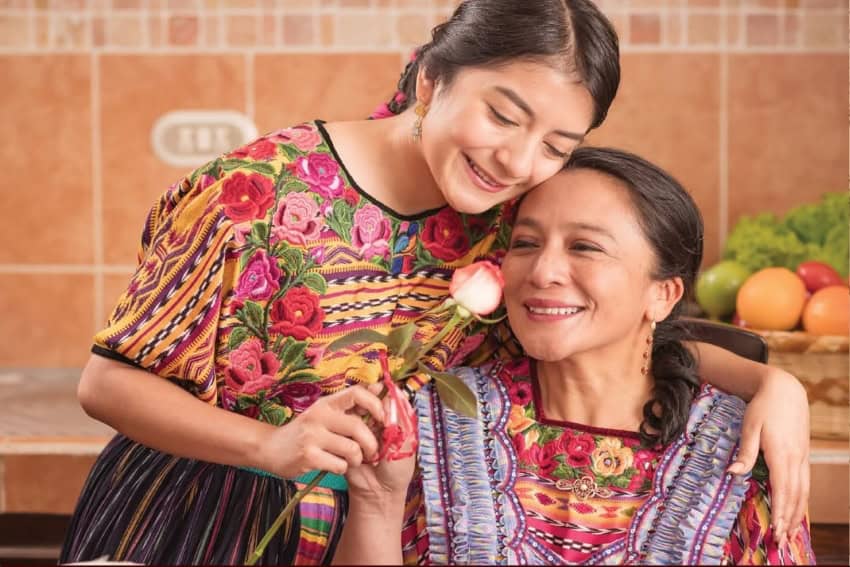
There are several words to refer to moms in Mexican Spanish, from the classic mamá to a more formal madre, to say nothing of coloquial words such as amá or jefa (or jefita if you are feeling loving). In Mexico, moms can be the bosses at home and yet the first ones brought up when a stranger wants to start a fight. But why?
A long tradition
Mexicans are not the only ones to use female progenitors to insult their listeners. From Cicero to Shakespeare, history has used allusions to mothers, including their physical and personal traits, to incite violence in confrontational situations. It seems reasonable that the one who brought you into this world can be seen as someone to take care of, but also — for your opponent — a point of weakness.
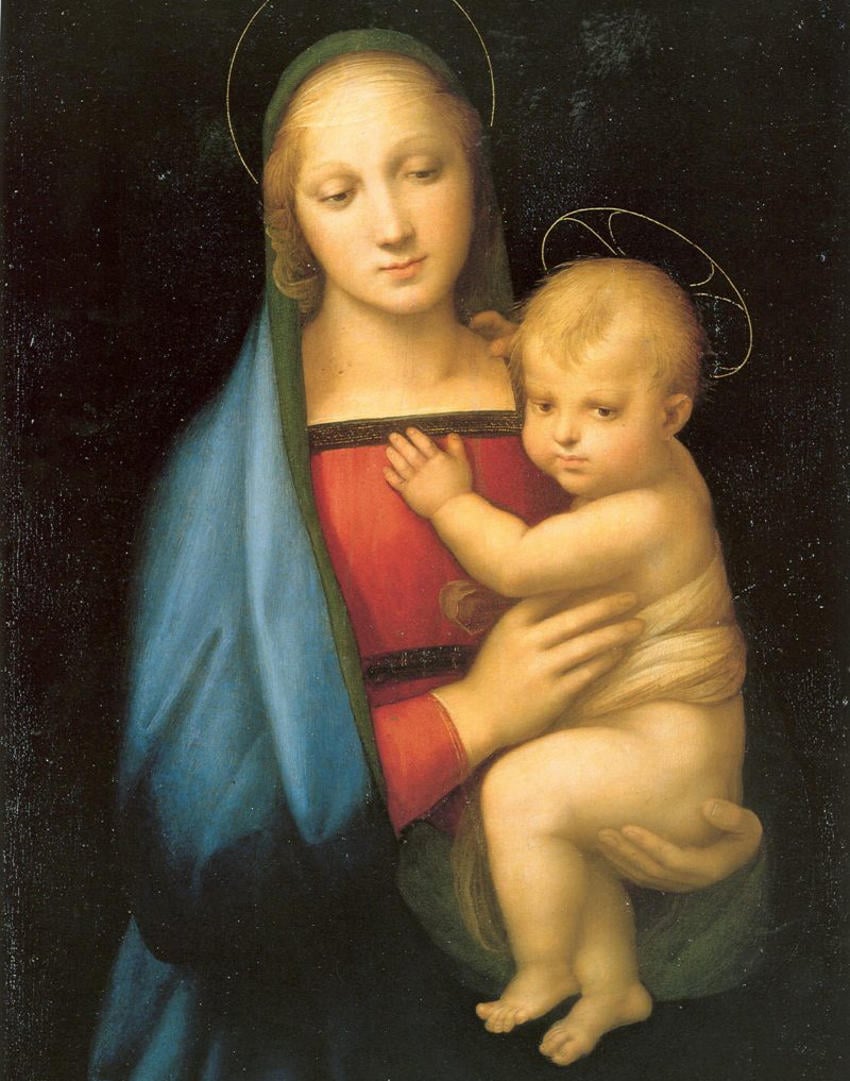
Although often used in jokes, there’s a specific expression whose roots are tied up in Mexican identity from the colony the country once was, and represents a lot of values that may have been erased from our everyday lives, but remain just beneath the surface: hijo de la chingada (a deeply offensive insult, not to be used lightly).
Octavio Paz and ‘La Chingada’
One of the clearest and maybe the most extensive explanations of this phenomenon was written by Octavio Paz in his “The Labyrinth of Solitude.” He dissects the word, linking its offensive popular use to our mestizo origins. A lot of our female ancestors did not procreate in fairy tale-like conditions, but rather in a violent environment in which their very culture was in peril.
“Who is La Chingada? Above all, she is the Mother. Not a mother of flesh and blood, but a mythical figure,” he said. “La Chingada is one of the Mexican representations of Motherhood, like La Llorona or the ‘long-suffering Mexican mother’ we celebrate on May 10th. La Chingada is the mother who has suffered — metaphorically or in reality — the corrosive and defaming action implicit in the verb that gives her her name … La Chingada is the Mother opened, violated or mocked by force. The ‘son of La Chingada’ is the offspring of violation, abduction or mockery.”
From this comes the verb chingar, which can mean something as mild as to bother, or something as intense as to rape. According to Paz, the word could have come from xinaxtli, the Nahuatl word for a specific seed. However, in response to this idea, the Real Academia de la Lengua Española says that the expression has been part of the Spanish language even before the conquest of Iberian Romani: čingarár.
No, I’m not your ‘mamacita’

Besides insults and swearing, there’s another adaptation from a maternal word: mamacita is used to catcall. It is annoying, but the link to reproduction lies beneath the surface. As journalist Laura Martinez states about her own uncomfortable encounter with a street harasser: ”A man calls you mamacita because what he really wants is to get in bed with you and turn you into the mother of his children.”

Writer Elena Poniatowska depicts a similar situation when her preadolescent character Lilus Kikus is called mamacita at the beach. Kikus’ reaction is rather detached, reflecting that she is not the catcaller’s mom after all.
Some other expressions about moms
Una madre (a mother) can be used to refer to something in a contemptuous way. For example: Pásame esa madre (pass me that mother).
No tener madre (to have no mother) is used alternatively as either a good or bad expression. It all depends on context. It can, for instance, refer to a shameless or cowardly person. Or it can refer to something amazing, cool or fun. For example, No tienes madre (you have no mother), generally means you don’t own up to things, while esta salsa no tiene madre (this salsa has no mother) means you’re tasting something extremely good to go with your tacos.
Much like no tener madre, poca madre (little mother) can be good or bad. Compare how, for example, qué poca madre tienes (what little mother you have) is often negative, whereas tu casa está pocamadre (your house is little mother) means your house is awesome — with the positive pocamadre written as a single word.
Madrear (to mother someone) is a rather offensive way of talking about physical violence. For example: A Juan se lo madrearon (Juan was badly beaten).
Something disgusting can be described as a madres. For example: Aquí huele a madres (it smells like mothers in here) describes an intense stench.
Lydia Leija is a linguist, journalist and visual storyteller. She has directed three feature films, and her audiovisual work has been featured in national and international media. She’s been part of National Geographic, Muy Interesante and Cosmopolitan.