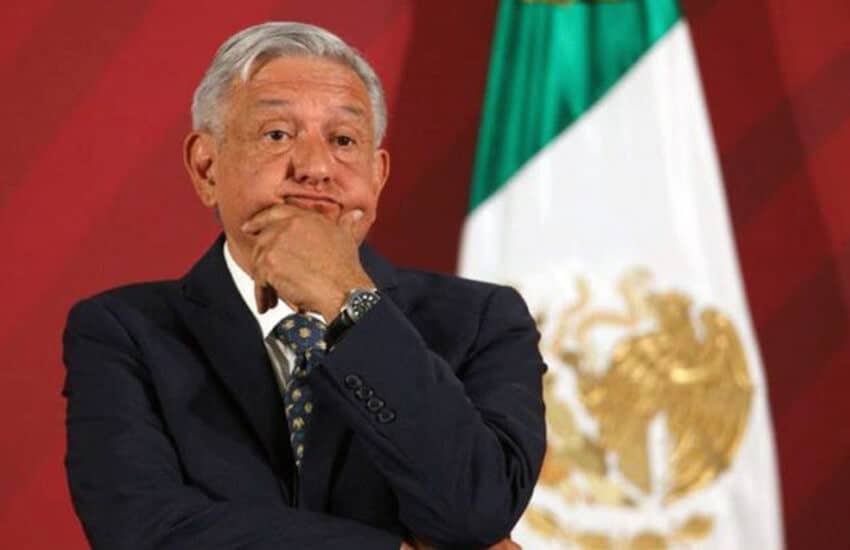
The Supreme Court (SCJN) has dealt President López Obrador two blows in as many days.
The court on Monday revoked a provision in his government’s federal austerity law, approved in 2019, that prevented former high-ranking civil servants from working for a period of 10 years in private companies they regulated or about which they had privileged information.
The SCJN on Tuesday also invalidated Article 61 of the austerity law, which gave López Obrador the authority to use money as he saw fit that was saved by austerity measures his government has implemented. Nine justices voted to revoke Article 61 and two voted to maintain it.
The SCJN determined that the article violated the Chamber of Deputies’ constitutional authority to authorize the federal budget.
Justices voted unanimously in favor of repealing the 10-year ban on ex-civil servants entering the private sector to work for companies they regulated, determining that a prohibition of that length is excessive. Chief Justice Arturo Zaldívar described the ban as “unnecessarily long” and argued that it was too broad.
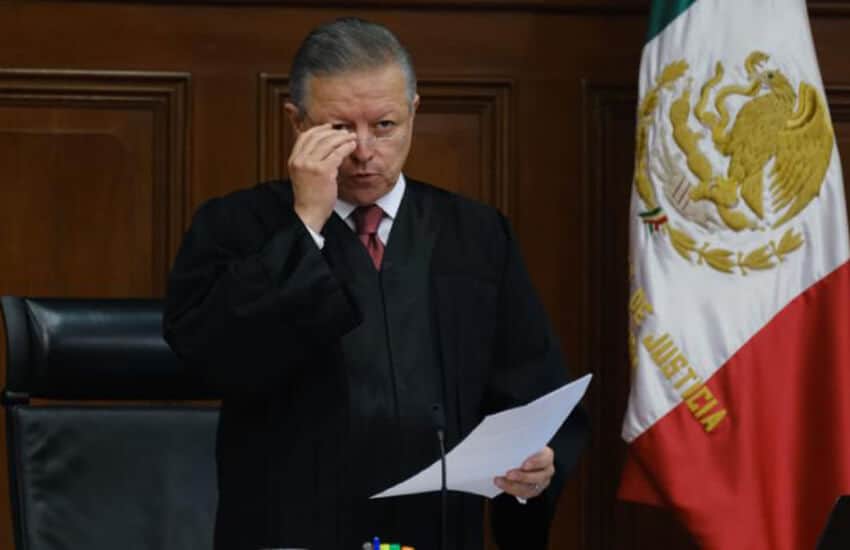
“Not all senior management positions have the same responsibilities nor do they present the same degree of risk of corruption,” he said. “The rule is therefore over-inclusive.”
The Supreme Court’s ruling upholds a decision handed down by a federal court, which found in February that the provision that restricts ex-government workers’ employment options is unconstitutional as well as “unfair and excessive.”

The government last year spent 510 billion pesos (US $25.3 billion) above what was budgeted, the newspaper Reforma reported, but it was unclear how much of that spending came from money saved by austerity measures.
Justice Javier Laynez said that article 61 allowed the president to spend money on government subsidies, programs and infrastructure projects that had been rejected by the lower house of Congress. “It’s unconstitutional because it’s a completely open power,” he said.
López Obrador on Tuesday described the Supreme Court’s first ruling as an “aberration.”
“How is it possible to go back to the old ways?” he asked, claiming that it was a “national embarrassment” that former president Ernesto Zedillo joined the board of a railway company shortly after the conclusion of his presidency, during which he privatized Mexico’s rail system.
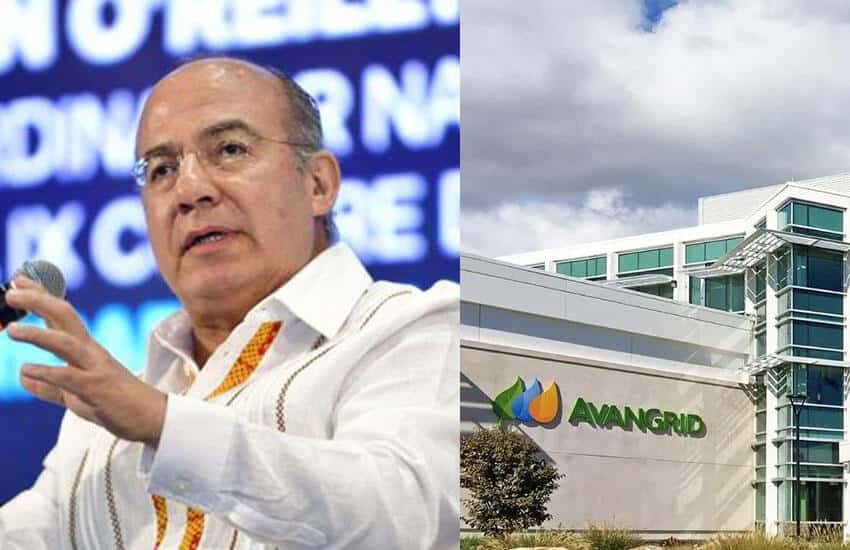
López Obrador also cited the case of former president and energy minister Felipe Calderón, who joined the board of a subsidiary of the Spanish energy company Iberdrola after he left office.
In January, López Obrador described various former presidents’ private sector employment as “despicable” and “immoral.”
On Wednesday, López Obrador said that former Pemex directors, Federal Electricity Commission functionaries, energy ministers and Finance Ministry officials were all guilty of conflicts of interest because they took up positions “in banks [and] companies, which benefitted when they occupied public positions.”
The president could suffer another setback at the hands of the SCJN on Thursday, when it is due to rule on the constitutionality of the Electricity Industry Law, which was approved by Congress last year.
With reports from Reforma and Expansión Política