Israel’s Foreign Ministry summoned the Mexican ambassador this week to explain Mexico’s vote in favor of a United Nations investigation into alleged violations of international humanitarian law during last month’s intense fighting in the Middle East.
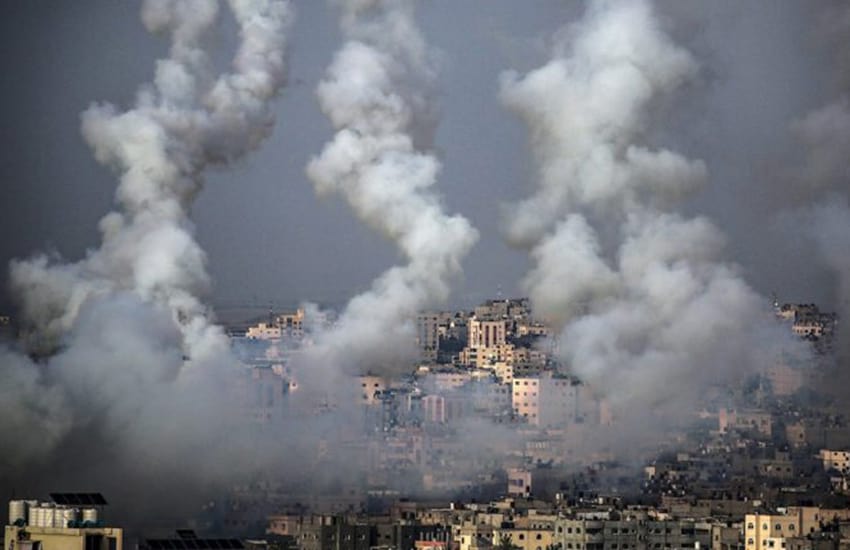
The United Nations Human Rights Council voted last Thursday in favor of establishing an international commission of inquiry into violations during fighting between Israel and Palestinians in Israel, Gaza, East Jerusalem and the West Bank.
Mexico was one of 24 countries that voted in favor of an investigation. Nine countries opposed the move while 14 abstained.
United Nations High Commissioner for Human Rights Michelle Bachelet told the Human Rights Council’s special session that Israel’s airstrikes on Gaza, which killed more than 250 Palestinians, might constitute war crimes. She also said that Hamas, the militant group that controls Gaza, violated international humanitarian law by firing rockets into Israel.
In light of Mexico’s vote in favor Israeli Foreign Ministry official Modi Ephraim told Mexican Ambassador Pablo Macedo that Israel expects that its good relations with countries such as Mexico “be reflected in the international arena as well.”
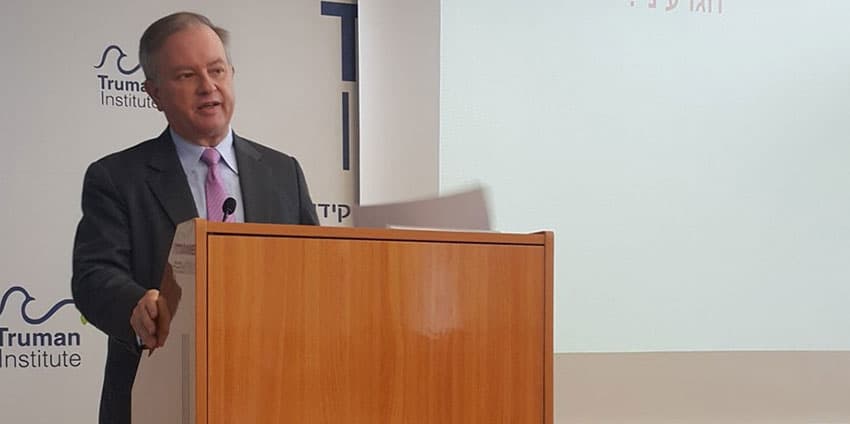
According to the ministry, Ephraim also told the ambassador that Mexico should “stand by Israel’s side just as Israel has done for it.”
Mexico “should show understanding for the security challenges Israel faces and recognize its right and duty to protect its citizens, who found themselves under fire by 4,300 Hamas rockets,” Ephraim said.

In addition, the official told Macedo that it was “unthinkable” that Mexico would “stand beside Israel’s enemies in a decision that does not contribute to peace and constitutes a reward for terrorism.”
The Mexican government has not publicly commented on the meeting.
The resolution supported by Mexico and 23 other countries of the 47-member Human Rights Council states that the investigation will also examine “all underlying root causes of recurrent tensions, instability and protraction of conflict, including systematic discrimination and repression based on national, ethnic, racial or religious identity.”
Mexico may have also made waves with Israel in early May when Mexico’s Foreign Affairs Ministry expressed “grave concern” on social media about the intense fighting going on at the time and called on all sides to “reject violence and provocation.” It also expressed its support for a two-state solution to conflict in the region.