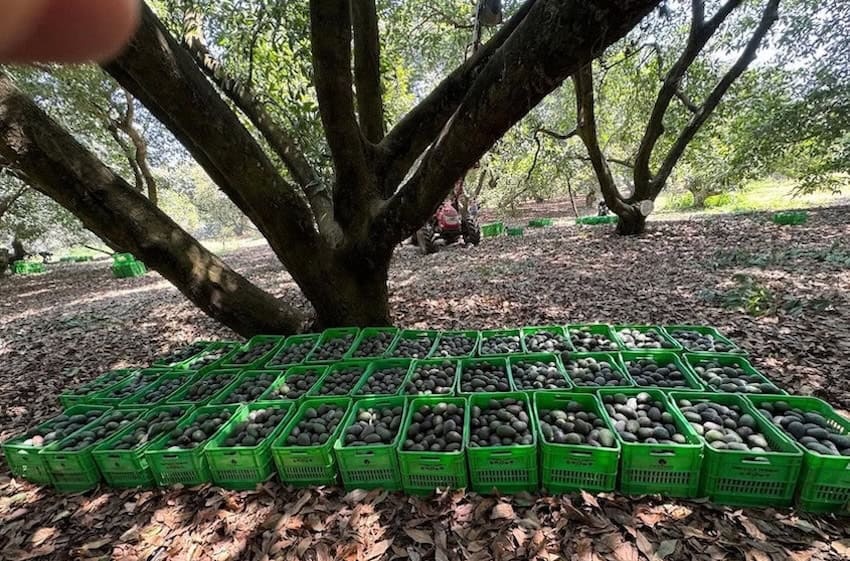
U.S. Ambassador to Mexico Ronald Johnson on Wednesday announced the full resumption of official U.S. government activities — including the processing of avocado exports — in the state of Michoacán.
In a social media post, Johnson said that security measures implemented by the Mexican government led to a positive evaluation of conditions on site, though officials will continue to monitor the situation and adjust operations as needed.
“I commend the Government of Mexico, particularly its Security Cabinet, for the actions and close coordination that made this full and efficient resumption possible,” he said. “Our priority remains the safety of U.S. personnel and the people of Michoacán.”
The U.S. — which absorbs more than 80 percent of Mexican avocado production — had suspended avocado imports from Michoacán on Aug. 5 due to unspecified “threats” to U.S. interests. It marked the third time in just over four years the avocado trade had been interrupted for security reasons, generating considerable concern among producers and packers due to the importance of the U.S. market for Michoacán’s so-called “green gold.”
In response to the suspension, the Michoacán state government deployed an additional 300 security operatives to avocado-growing regions and, the following day, the federal government ordered more than 1,500 soldiers to Michoacán.
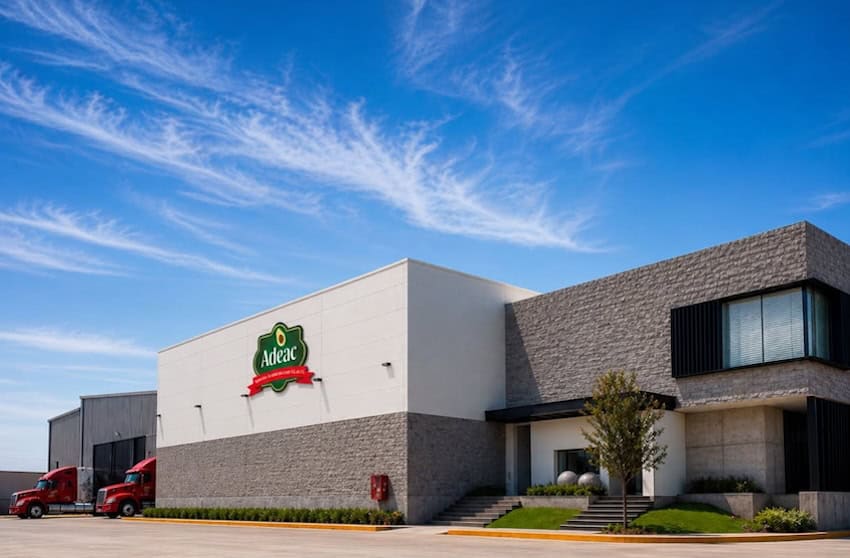
Among the actions implemented were the installation of control points in 17 strategic packing plants and in 29 producing municipalities, while a new intelligence center was established in the city of Uruapan, often referred to as the avocado capital of the world.
Two days later, the suspension was partially lifted.

Johnson said the outcome of the past week’s developments demonstrates that the security and prosperity of the two neighboring nations can be strengthened by effective cooperation.
Working together, he said, protects the public, food production, supply chains and legitimate trade. He called it “a tangible result of the cooperation advanced by President Trump and President Sheinbaum.”
In contrast, the U.S. Embassy also reiterated its official travel advisory for Michoacán, which designates the state a “Level 4 – Do Not Travel” area.
The Embassy reminded U.S. citizens of some measures they should take if traveling to the western state.
- Monitor local media for updates
- Keep family and friends informed of your location and well-being via phone, text and social media
- Enroll in the Smart Traveler Enrollment Program (STEP)
- Call 911 in case of emergency
- Contact the U.S. Embassy if you need assistance
With reports from El Universal, Informador and Meganoticias