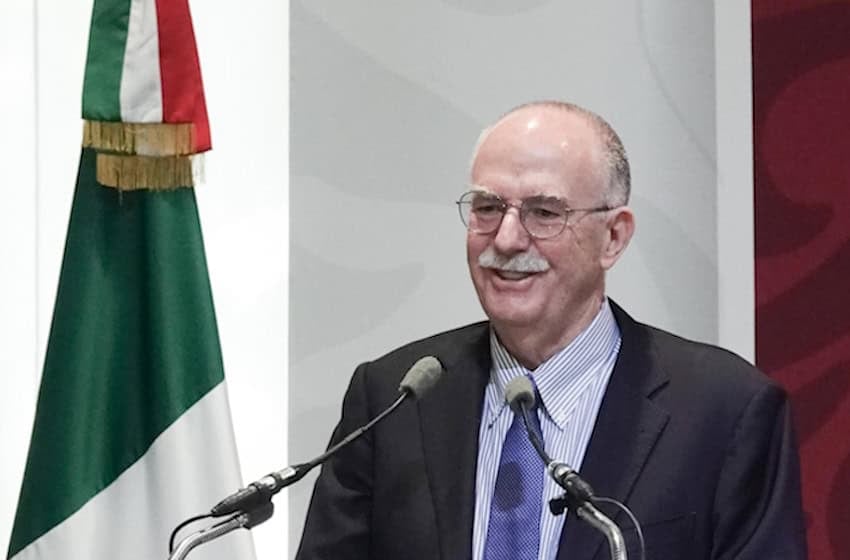
Approximately 75% of avocado packing facilities in Mexico’s Michoacán state have been cleared for export following a pause in the avocado trade with the United States over security concerns, Julio Berdegué, Mexico’s advisor for international agri-food affairs and strategic issues under the USMCA, announced on Saturday.
The re-approved facilities handle roughly 85% of Michoacán’s avocado exports and the rest will be restored soon, according to Berdegué.
Mexico exports over 1 million tonnes of avocados a year, according to data from the Mexican Agriculture Ministry. Meanwhile, Michoacán contributes the highest avocado production of any Mexican state, with an export market valued at US $3.65 billion.
U.S. avocado imports from Michoacán were temporarily suspended on Wednesday after the U.S. Embassy issued an alert regarding a “threat to U.S. interests.” It marked the third time in just over four years that the United States has suspended avocado trade with Mexico for security reasons.
The embassy statement announcing the suspension did not reveal the nature of the threat, but President Sheinbaum has since said that the suspension followed a meeting at the U.S. embassy related to threats against some of the inspectors hired by the United States to monitor sanitary quality.
A meeting scheduled for the following day with an organization of avocado producers revealed that there had been an increase in extortion cases in certain regions of Michoacán.
In response to the news, Mexico worked to “rapidly strengthen” security in the state for the “immediate and gradual” resumption of the export program, said U.S. Ambassador to Mexico Ronald Johnson.

Following the suspension, Michoacán Governor Alfredo Ramírez Bedolla deployed an extra 300 security operatives to Michoacán’s avocado-growing region “as a preventive measure.” Then, on Thursday morning, the federal Defense Ministry announced it had sent more than 1,500 soldiers to the state to “protect avocado producers and packing plants in the region.”
Exports resumed from the municipalities of Tancítaro, Tacámbaro and Uruapan, as well as the area between Morelia and Pátzcuaro, on Saturday.
To prevent future security issues, the Mexican government has established a permanent working group to monitor security in the region and prevent extortion of producers.
With reports from ABC Noticias and La Jornada