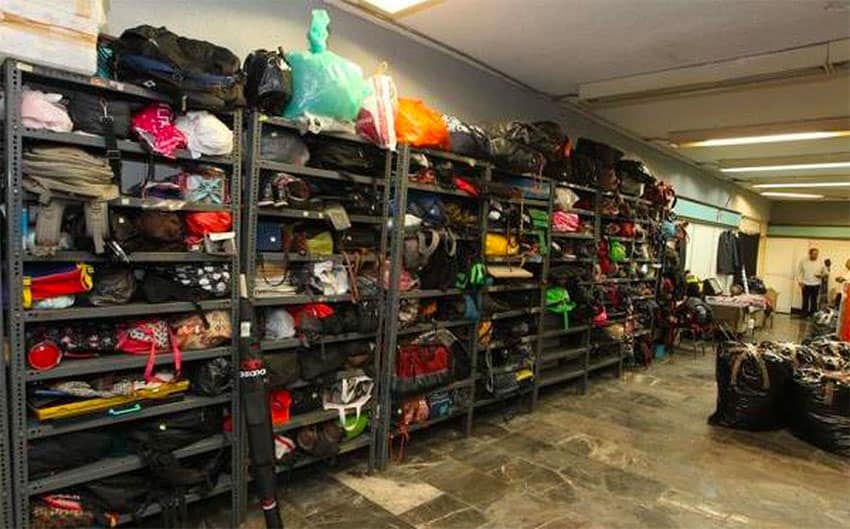
Televisions, cell phones, bicycles, a prosthetic limb and even an urn of cremated remains are among the plethora of objects left behind on the Mexico City Metro.
Head of the Metro’s Office of Lost Objects, Donovan Alvarado, said that personal identification cards, backpacks and cell phones are the most common objects left behind, but his office also receives computers, medical test results, microwave ovens, strollers, canes, crutches, books, money and more.
With an estimated 5.5 million average daily users, it’s inevitable that things will be left behind.
According to Alvarado, the Metro’s 5-peso (US $0.25) fare makes it a good option for people moving large objects across the city, and that some get claimed by the chaos.
“The Metro is a marvelous mode of transportation, and because of the facility of its use and its low cost, people use it to move large bags and packages, but some get lost in the fast pace of moving through the system,” said Alvarado.
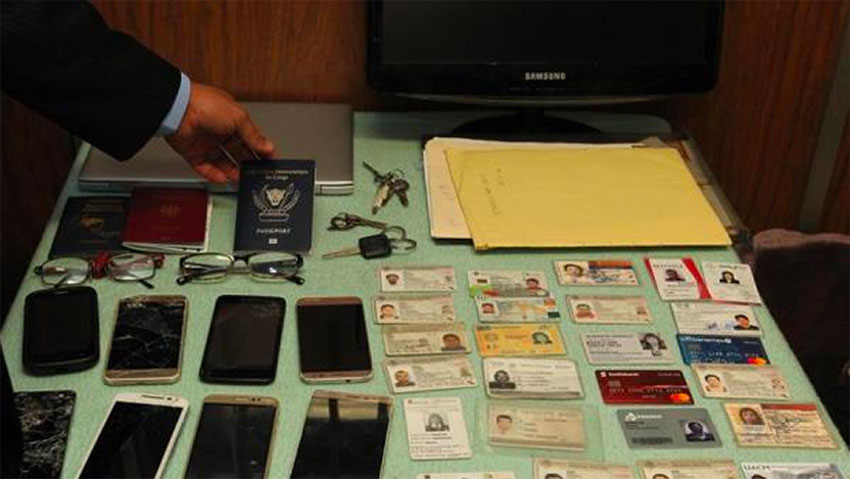
Between 200 and 220 lost objects arrive at his office each month, totaling 2,200-2,400 annually.
He said that after 10 years of collecting and returning lost items, he has noticed two annual high seasons for his office, located in the Candelaria station, which connects Lines 1 and 4.

The first is in August, when students go back to school, and the second is during the busy Christmas shopping season in December. He said students are the riders who lose the most objects during the school year.
Alvarado said that on average only 20% of the objects that make it to his office are reclaimed by their original owners, and many don’t make it there at all.
“It’s a minority of people who turn things in,” he said, adding that he believes that in the capital, personal need often trumps ethics and “if people find something, they don’t return it.”
People who lose objects have 90 days to claim them. After that, the office donates or recycles them.
Cell phones and other electronic devices go to a recycling program, clothes are donated to people in need and IDs are sent to the issuing entity or in the case of passports, the Secretariat of Exterior Relations (SRE).
Some owners have been located online through the Metro’s Twitter account, where a message was posted in June advising where the Lost Objects Office is located.
In addition to questions such as “Who could have forgotten their house phone?” and “Who the hell would forget a fax machine on the Metro?” there was one Metro user who was happy to have been reunited with a lost ID card.
“Twelve years ago I lost my elector’s card in Cuajimalpa and this office called to return it to me. Fantastic work by the person in charge.”
Mexico City’s Metro, operated by the System of Collective Transportation (STC), turns 50 on September 4.
Source: Milenio (sp)