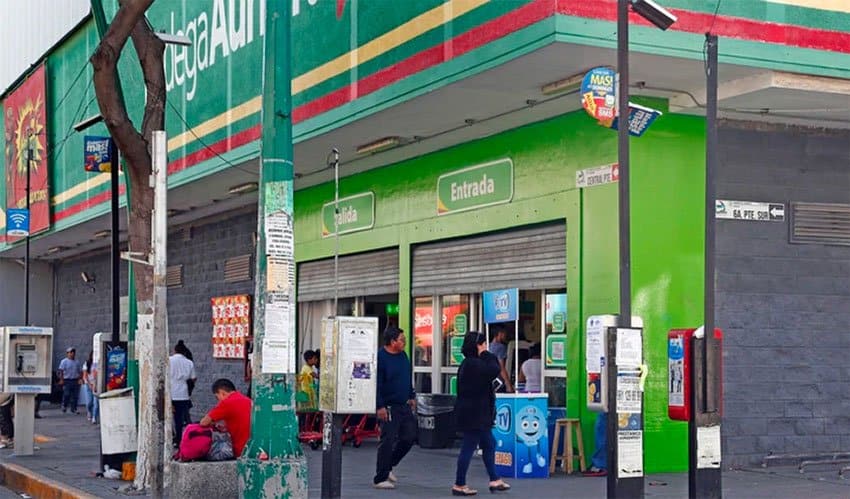
Big-box retailers are worried that a rollback of regulations for welfare programs will result in more money being directed toward the informal economy.
President López Obrador has said that the government will hand out 201 million pesos (US $10.4 million) in social support funding this year, raising the average family income by 5%. Retailers had expected to see a corresponding increase in sales, but the reverse has been true.
The association representing stores including Chedraui, Soriana, Coppel and Elektra reported sales growth of just 3.2% the first five months of the year, the lowest growth for the period in the last five years.
The National Association of Supermarkets and Department Stores (ANTAD) blamed the lower than expected numbers on new regulations that allow beneficiaries to withdraw cash from welfare cards.
“We are worried that welfare benefits will end up in the informal economy because before there were regulations to prevent the benefits from being turned into cash and being spent on alcohol or cigarettes,” ANTAD president Vicente Yáñez said.
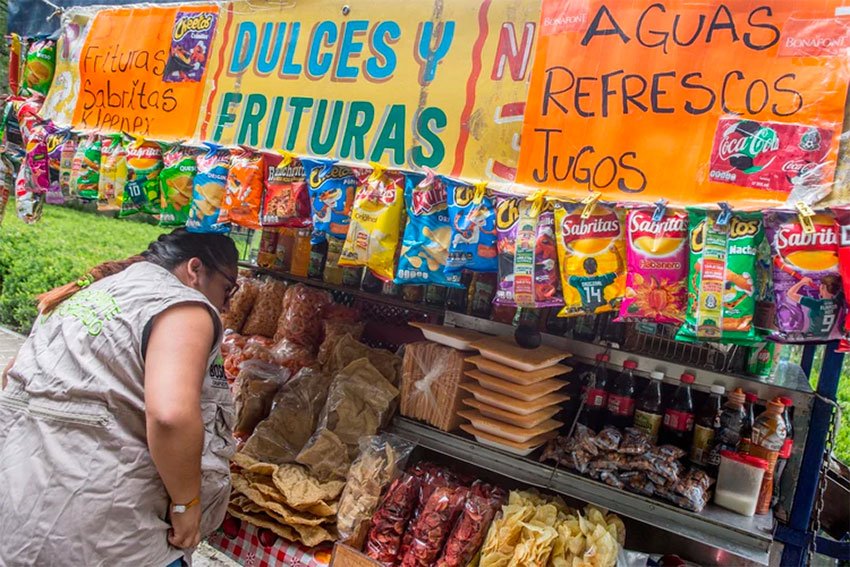
The benefits were previously distributed through payment cards that could only be used to purchase certain items in certain stores. Starting this year, however, benefits are deposited on debit cards from which recipients can withdraw cash at ATMs. Yáñez and other experts fear that could lead to more money being directed to the informal sector, where between 40% and 50% of retail sales in Mexico take place.
Alejandra Macías Sánchez, research director at the Center for Economic and Budgetary Research, an NGO, told El Financiero that benefits used to be directed toward female heads of households and that the distribution of benefits to others could be contributing to the decline in sales for big-box retailers.

“Young people and elderly people are getting the benefits, but not female heads of household, as was done under the Prospera program,” she said. “As a woman, you look out for the good of your family. But for a young person or an elderly person, that’s not necessarily the case.”
On the other hand, allowing benefits to be converted into cash has benefited the country’s markets, according to Gabriel Leyva, director of supply and distribution for Mexico City’s Economic Development Secretariat.
“We’ve had a good start to the year,” he told El Financiero. “According to our numbers, there’s been a 40% decline in the waste of goods in the basic basket [of consumer needs].”
Source: El Financiero (sp), Infobae (sp)