Health authorities in the state of Yucatán have detected in six artificial lakes the same brain-eating amoeba that caused the death of a 34-year-old man last month. All six lakes have been closed.
State officials ordered an investigation after an aquatic sports instructor was determined to have died in the state capital of Mérida last month from Naegleria fowleri, an amoeba which causes a rare and nearly always fatal brain infection known as primary amebic meningoencephalitis (PAM).

The authorities say it is the first — and so far only— death recorded in the state, famous for freshwater sinkholes known as cenotes. They said in a public statement that the organism is contained and poses no further risk.
The government also increased health surveillance protocols.
After the death was confirmed as being caused by the brain-eating amoeba, tests were conducted at artificial lakes in and near Mérida. The organism was found in six of the nine lakes examined.
Naegleria fowleri thrives in stagnant freshwater in lakes, rivers, ponds and hot springs, especially between 35 and 46 degrees Celsius (95-115 F).
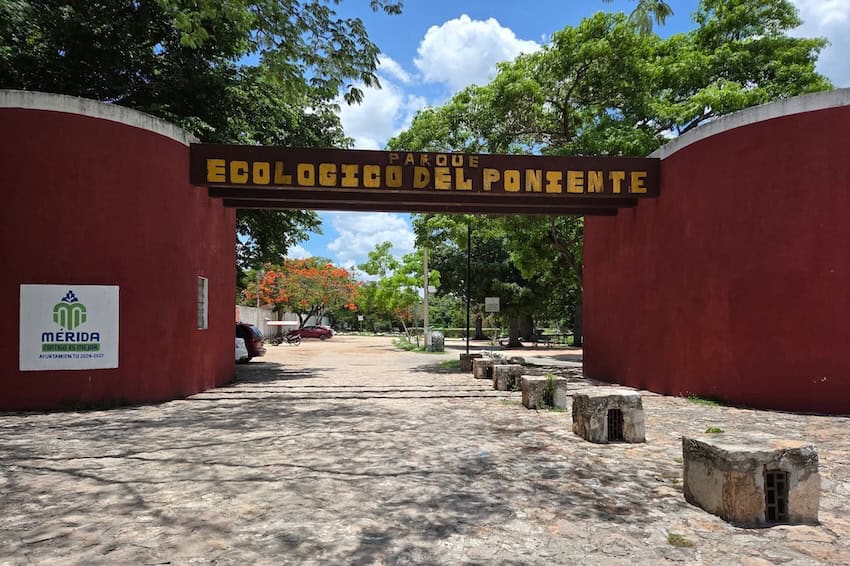
State Health Minister Alberto Alcocer urged the public to contact health personnel if they have been in contact with water from the six artifical lakes in the following five locations: Plaza La Isla (where the parasite was originally detected), the Cabo Norte complex (two) , the Centenario Zoo, the Gran Parque La Plancha and the Poniente Ecological Park.

“Finding this amoeba in the environment does not indicate an epidemic or that people who visited these places are sick,” Alcocer said.
The amoeba enters the body when water containing the organism goes up the nose. It then travels up the olfactory nerve directly to the brain, where it destroys brain tissue and causes severe swelling.
The contaminated areas have been marked with barriers and warning signs, and users are strictly prohibited from coming into contact with the water. Remediation efforts in collaboration with specialists from the Autonomous University of Yucatán and the Instituto Politécnico Nacional have already begun.
Additionally, the state government opened an investigation against the companies in charge of the maintenance and water quality of the lake at Plaza la Isla, the site at which the victim had been teaching wakeboarding.
With reports from El País and El Economista