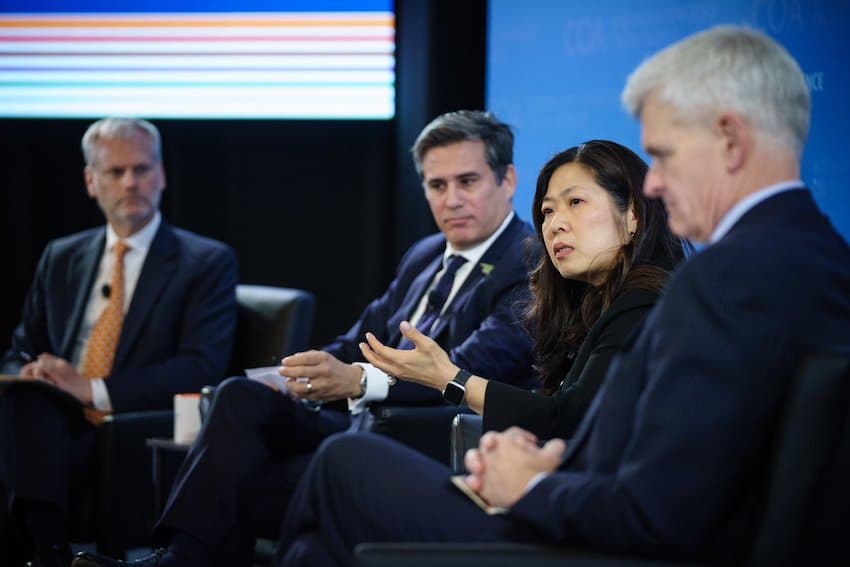
Canada’s top trade official has said there is currently no need to escalate the country’s trade dispute with Mexico, citing positive steps by Mexico to engage with Canadian energy companies.
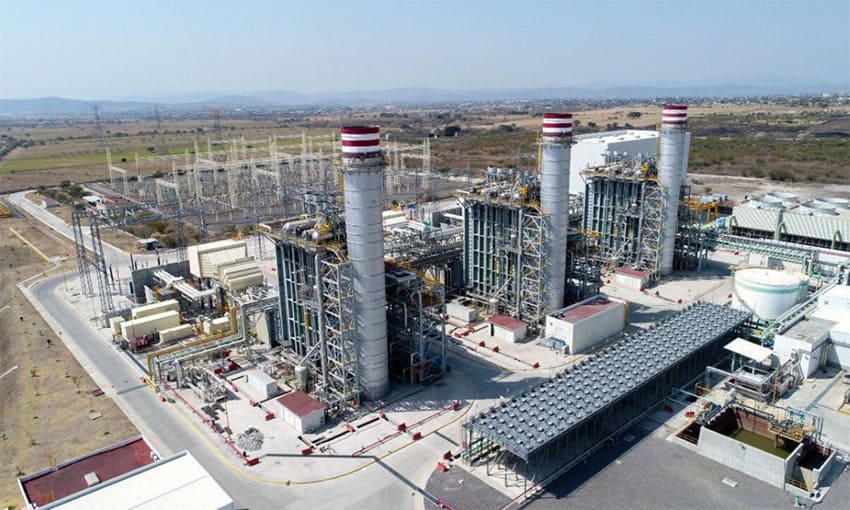
Canada requested dispute settlement consultations with Mexico last July, arguing that President López Obrador’s policy of favoring the state-owned Federal Electricity Commission (CFE) violated the U.S.-Mexico-Canada Free Trade Agreement (USMCA).
But during a trip to Washington this week, Canadian International Trade and Export Minister Mary Ng said she was satisfied with moves by Mexican Economy Minister Raquel Buenrostro to open dialogue with Canadian companies about the legislation.
President López Obrador also met with four Canadian firms in January, reportedly resolving concerns from three of the companies.
“We’re going to be keeping a close eye on this to make sure that the provisions of our trade agreement are being met,” Ng said in an interview on Tuesday. “Ultimately, it’s making sure that the investments down there are met with the predictability of the rules that they’ve got.”
Ng made the remarks during meetings with U.S. trade representative Katherine Tai, in which they discussed working together to address mutual concerns about Mexico’s energy policy.
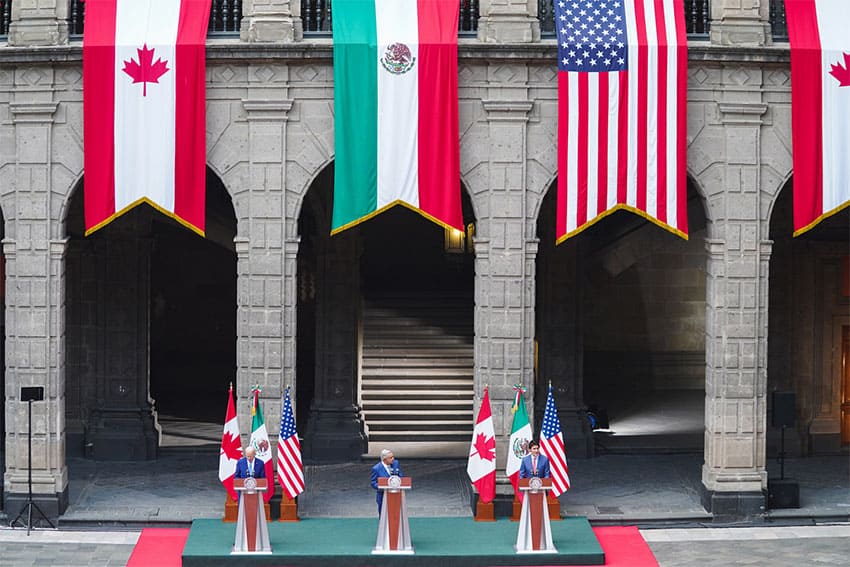
The U.S. is also holding separate, broader talks with Mexico over energy policy, which have been without resolution for seven months. It was reported in late March that the U.S. was considering issuing an ultimatum to Mexico, threatening to advance the dispute to an independent USMCA arbitration panel.

If the panel rules against Mexico, Mexico would be required to change its nationalistic energy policy or face heavy tariffs on exports. Mexico is the United States’ largest trading partner.
However, all three countries have been reluctant to advance the dispute, citing the need to cooperate over migration, environment, drug trafficking and border security. Tariffs would also have a severe impact on the US $1.4 trillion of annual trade between the three economies.
Ng did not rule out resorting to arbitration in the future but said that as long as progress is made in dialogue, Canada prefers to hold out for a negotiated settlement.
Early-stage talks are also underway to resolve a separate dispute over Mexico’s proposed ban on genetically modified agricultural imports, over which Canada requested consultations in March.
With reports from Bloomberg Linea