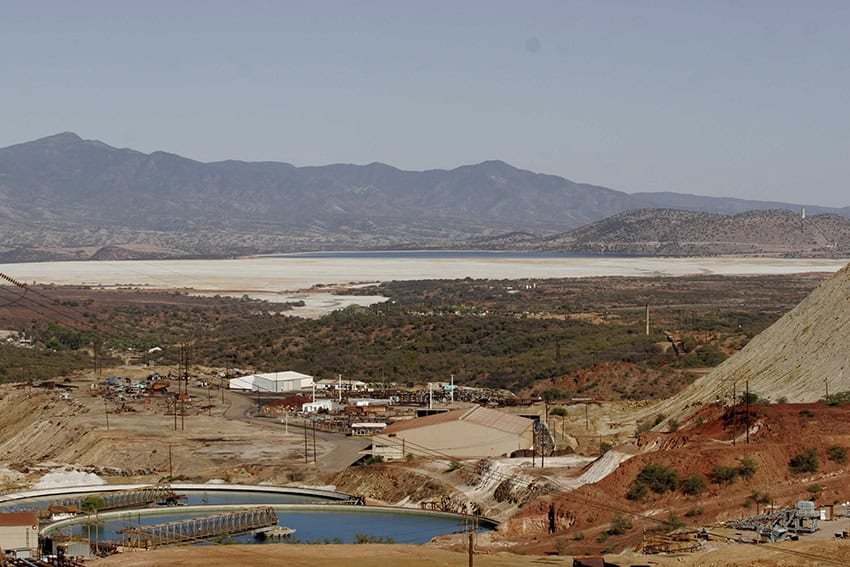
One of the longest strikes in Mexico’s history came to an end on Wednesday night when the National Mining Union (SNM) signed agreements with the federal government and Sonora state authorities.
Workers at the iconic Cananea mine had been on strike since July 30, 2007. The workers’ 6,715 days on the picket line ended not through an agreement with mine owner Grupo México, but rather because SNM leaders secured a fund of 483 million pesos (US $26.8 million) to resolve the strike.
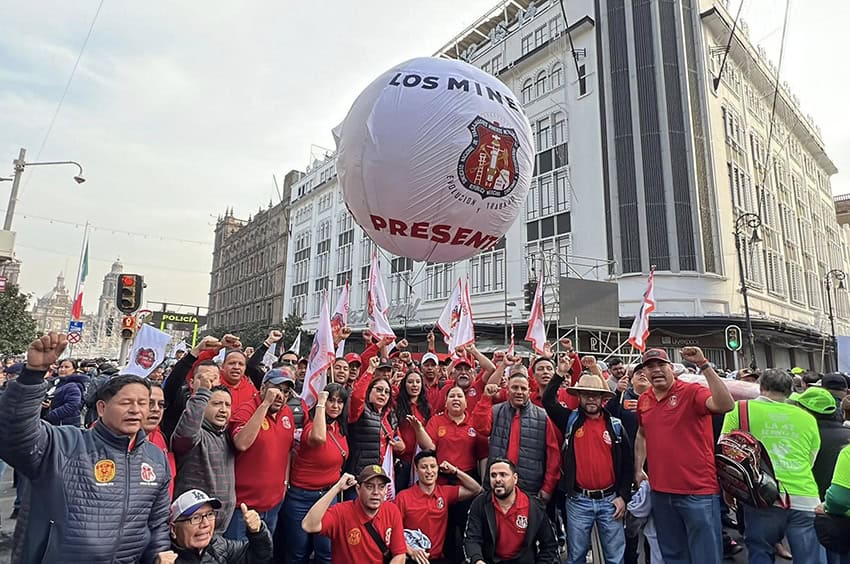
Heriberto Verdugo, the Sonora delegate of the SNM, said the funds in question will be used to compensate the over 600 workers who remained on strike with back wages, Christmas bonuses and other benefits.
Napoleón Gómez Urrutia, the SNM union leader, said “the tough and cruel battle is now over,” adding that attention must now be turned to ongoing strikes in Taxco, Guerrero, and Sombrerete, Zacatecas.
The striking miners in Cananea faced unemployment, hunger and repression, with at least 53 of their companions dying since the strike began more than 18 years ago.
They survived clashes with the federal police, endured broken promises, suffered from 40-degree heat (104 F) while blockading local highways and traveled 2,000 kilometers (1,240 miles) to Mexico City to protest outside the National Palace on several occasions.
The strike began just a year after unions across the nation celebrated the centennial of the labor movement which began in earnest with a June 1906 strike at the same Cananea copper mine.
The SNM alleged violations of the collective bargaining agreement as well as serious failures with regard to worker safety and hygiene.
The situation was complicated by disputes over the union bylaws, controversies involving Gómez Urrutia (who faced charges of embezzling US $55 million from the union as well as accusations that he was illegitimately elected to union leadership) and accusations that miners vandalized the facilities, threatening the concession rights of the mine.
For nearly two decades, the miners survived what they called “systematic aggressions” from mine owner Grupo México and what Gómez Urrutia described as “antagonism” from the governments of Felipe Calderón (2006-2012) and Enrique Peña Nieto (2012-2018).
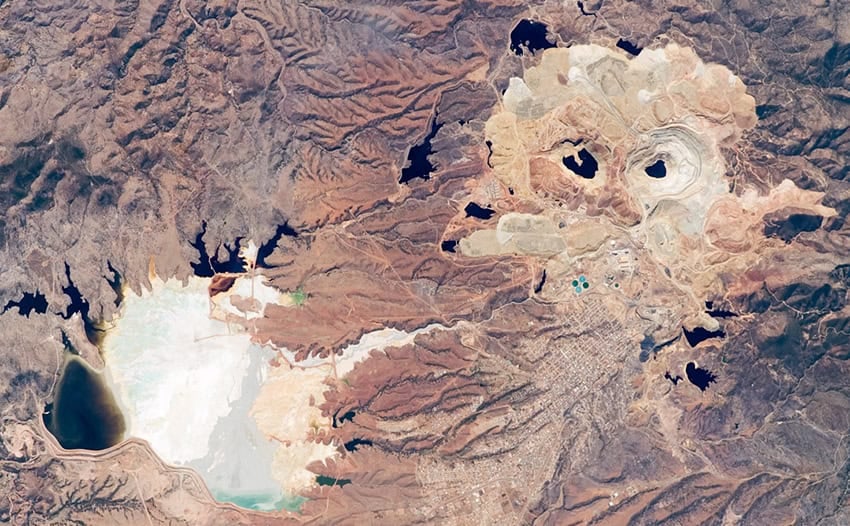
During his presidential campaign in 2018, President Andrés Manuel López Obrador embraced Gómez Urrutia and welcomed him into his movement, helping to put negotiations back on the front burner.
Since taking office in 2024, President Claudia Sheinbaum has helped shepherd negotiations toward the final agreement reached this week.
The resulting Comprehensive Solution Plan respects key clauses of the original Collective Bargaining Agreement and fully recognizes the acquired rights of the workers and adds universal health coverage to the contract.
In addition to the 483 million pesos, an additional 59 million pesos (US $3.3 million) will be disbursed by the Labor Conciliation Board. Verdugo said the 53 widows of the deceased miners are also included in the resolution and will receive social security and pensions.
With reports from Proceso, La Jornada and El Universal