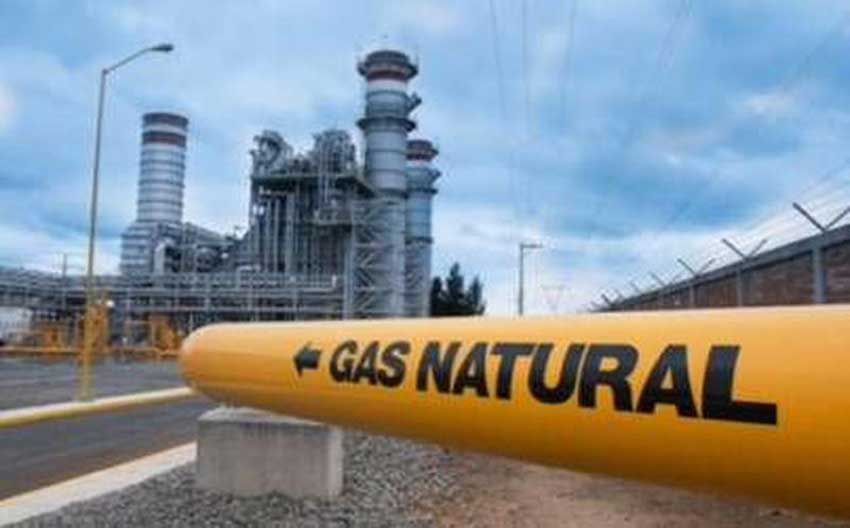
A natural gas pipeline project planned for Cancún could provide a boost for the city’s economy, according to a business leader.
Rafael Ortega, president of the Cancún chapter of the National Chamber of Commerce (Canaco), said that similar projects in the past had failed to get off the ground but he was confident that the current plan will go ahead because it is supported by the state government.
The main beneficiaries of new natural gas lines will be domestic and business consumers, he said, pointing out that natural gas costs more in Cancún than anywhere else in the country and that, in theory, prices should go down once the project has been built.
Ortega added that the industrial sector in the tourism-oriented city is not very strong but contended that the pipeline project would help attract manufacturers of products such as plastic, fertilizers, antifreeze and even fabrics because they all depend on natural gas.
The restaurant sector – one of the biggest natural gas consumers in Cancún – will also benefit, he said.
The pipeline project, to be built by Gas Natural del Noreste (GNN) with an investment of 450 million pesos (US $23.6 million), was approved last year by the Agency for Safety, Energy and the Environment (ASEA) and the Secretariat of the Environment (Semarnat).
The project is planned for the city of Cancún but state officials have held talks with GNN about the possibility of extending the project into Puerto Morelos and other Quintana Roo municipalities.

Citizens will have the opportunity to vote on the project in a public consultation to be held in the coming weeks.
Source: El Economista (sp)