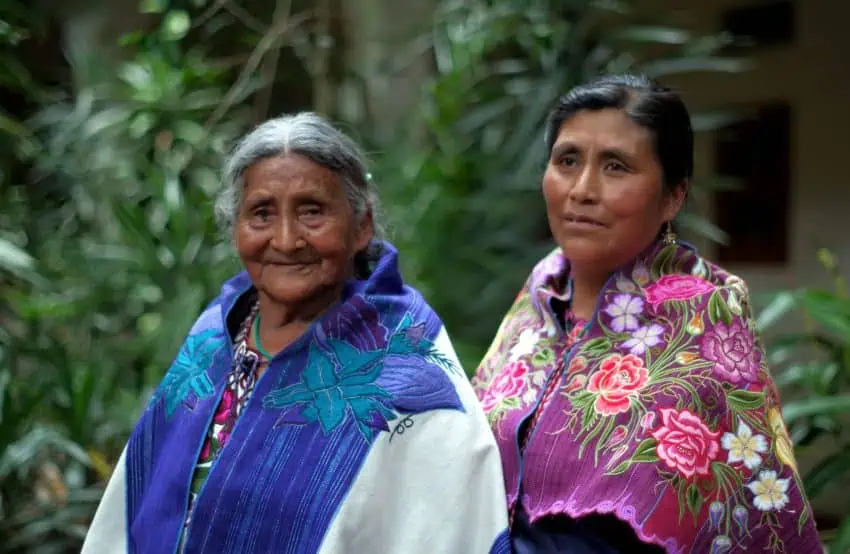
The Chiapas Midwives Movement Nich Ixim (Corn Flower) has denounced the National Midwifery Registry, saying it complicates the process of registering newborns attended by midwives.
The claim follows recently published regulations for health facilities and midwifery recognition, which the movement calls “a threat” to the existence of traditional midwifery.
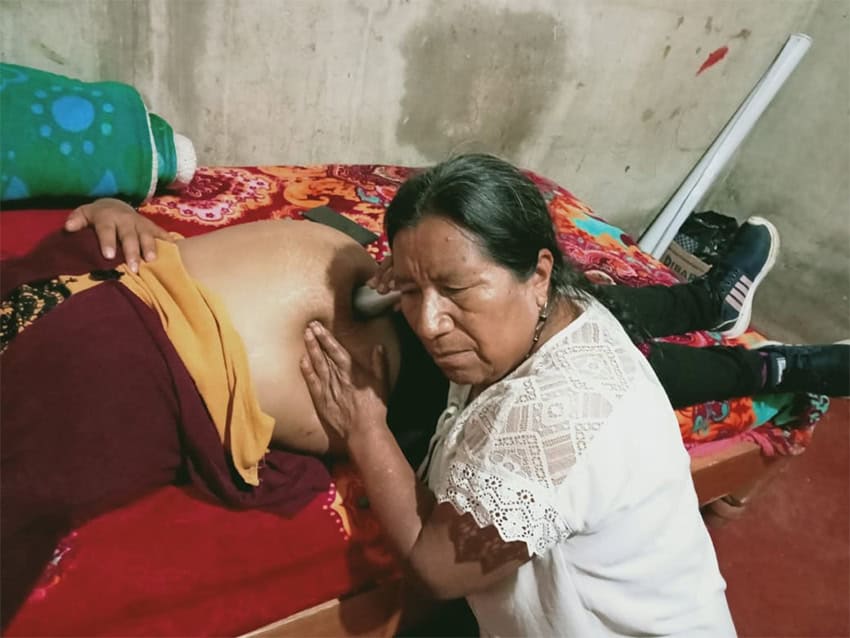
“Midwives have existed since the beginning of humanity,” Nich Ixim said. “Receiving and caring for life has always been necessary and will continue to be necessary.”
The group has argued that the regulation is based on a biomedical model that imposes control, regulation and conditioning requirements on traditional midwifery. The group said one such requirement is the National Midwifery Registry, which does not consider midwives’ knowledge or methods of care and makes it difficult for those born and cared for by midwives to access their birth certificates.
The movement, which includes 600 midwives from 45 municipalities in the southern state of Chiapas, demanded compliance with Article 389B of the General Health Law, which stipulates that midwives may issue birth certificates.
The group said that not granting birth certificates is a violation of the human right to birth registration.
Nich Ixim said that since the movement’s creation, traditional midwives have experienced historical discrimination. Thus, the group requested that healthcare providers, including managers and security guards, receive training to ensure they can provide intercultural and respectful care to guarantee access to health care without discrimination.

According to Nich Ixim, Chiapas has more midwives than any other state in Mexico, with estimates suggesting there are over 5,000 in the state. The group says that one in three births in the state is attended by a midwife, and in Indigenous communities, midwives attend the majority of births.
Although the Mexican government has legally recognized midwifery in Chiapas, midwives still lack full recognition that respects and protects their work without imposing barriers alien to their tradition.
“Midwifery in Mexico is an ancestral practice that is part of the cultural identity of our Indigenous peoples and rural communities,” Nich Ixim said in a statement. “Midwives are guardians of ancestral knowledge, bearers of wisdom that has enabled generations to be born in conditions of respect and dignity.”
With reports from El Universal and La Jornada