Violence and crime will increase as a result of the coronavirus-induced economic crisis, predict two federal officials.
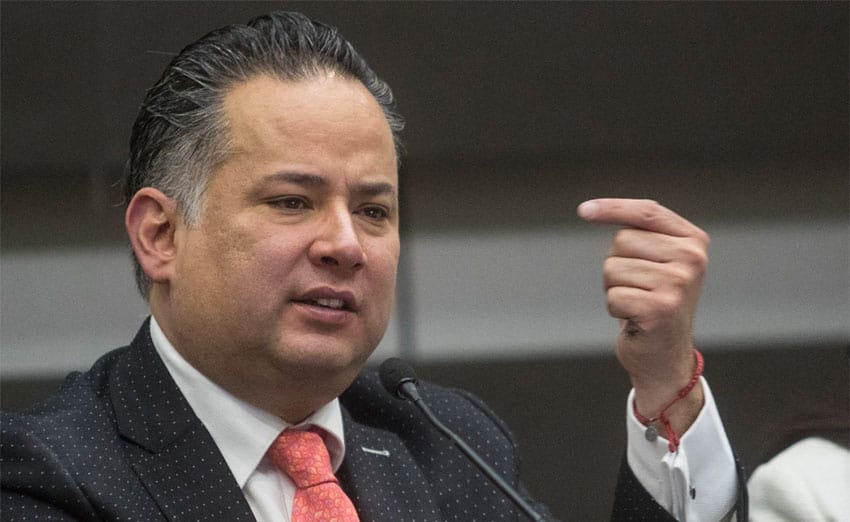
The head of the government’s Financial Intelligence Unit warned that violence and certain crimes will increase as coronavirus restrictions are eased and Mexico enters what has been dubbed “the new normal.”
Speaking at a “justice, transparency and Covid-19” conference on Tuesday, Santiago Nieto bluntly declared that an economic and security “crisis is obviously coming.”
He predicted that burglaries, financial fraud, human trafficking and child pornography offenses will be among the crimes that will increase. Mexico’s court system will consequently come under significant pressure, Nieto said.
For his part, the head of the Federal Protection Service, a division of the Security Ministry, told the newspaper El Universal that Mexico is likely to go through a “very rough” period of insecurity in the next three to six months.
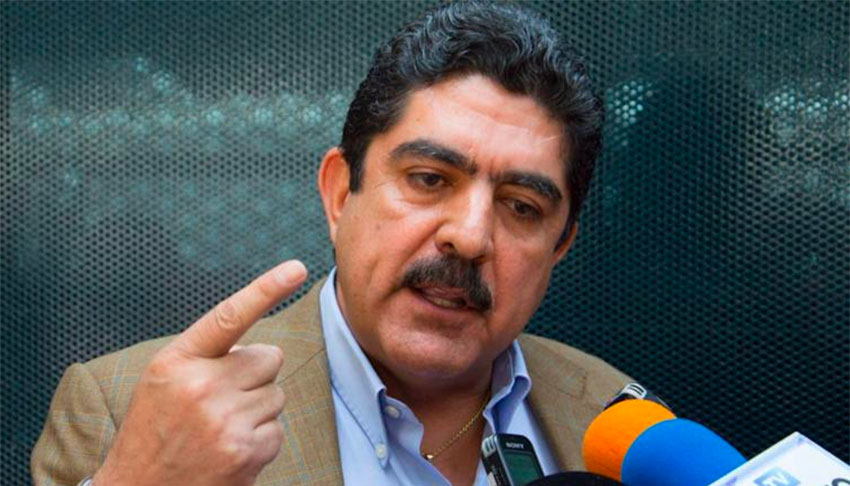
Commissioner Manuel Espino Barrientos said the coronavirus pandemic and the economic downturn caused by the mitigation measures put in place to limit the spread of the virus will leave Mexico in a “very complicated” security situation.
More than 750,000 people have already lost their jobs in the formal sector due to the pandemic and analysts and financial institutions are forecasting that the economy will suffer a deep recession in 2020.

Violence and crime will increase because a lot of people “will not find work but they will be hungry,” Espino said.
“We could go through a very rough period of insecurity. It’s a common sense forecast that must be taken into account,” he said.
The warnings of the two officials are particularly ominous given that violence is already at extremely high levels despite authorities urging citizens to stay in their homes for the past two months.
March was the most violent month since President López Obrador took office in December 2018, with 3,000 homicides.
Security Minister Alfonso Durazo highlighted last week that homicide numbers declined by 1.66% in April to 2,950 but failed to mention that the average daily number of murders during the 30 days of last month was in fact higher than the daily average during the 31 days of March.
Homicide numbers for the first four months of the year show that 2020 is currently on track to supersede 2019 as the most violent year on record.
There were 11,535 homicides in the first four months of the year, according to data from the National Public Security System, a 2.4% increase compared to the same period of 2019.
Source: El Universal (sp), Reforma (sp)