In a coronavirus hotspot in the Mexico City borough of Tlalpan, hunger wins out over health: there is greater demand for tacos than for Covid-19 tests and information.
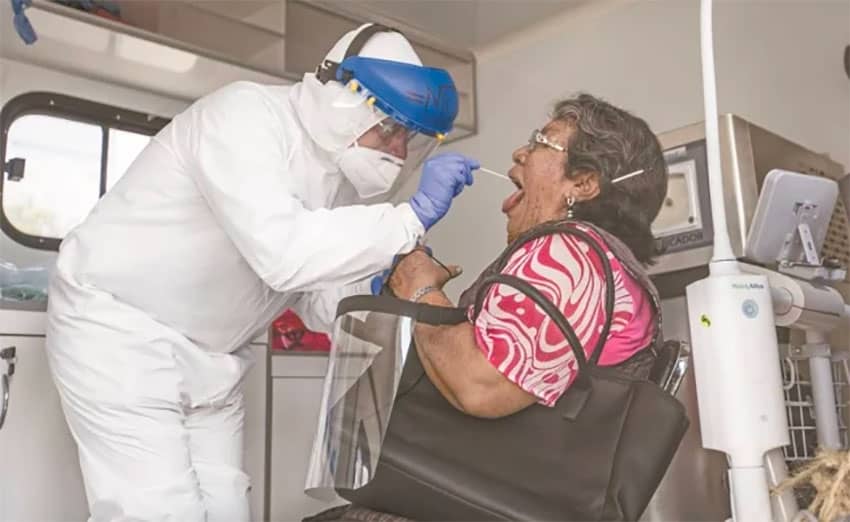
According to a report by the newspaper El Universal, taco stands in the pueblo (town) of San Miguel Topilejo, one of 34 locations in the capital designated as coronavirus hotspots, were busier on Wednesday than a health kiosk that has been set up by the Mexico City government to provide medical advice, carry out health checks and perform Covid-19 tests.
A city official working at the kiosk admitted that the number of people eating carnitas, or pork tacos, exceeds the number of citizens interested in accessing information that could save their lives and those of their family members and neighbors.
The kiosk only performed about 30 Covid-19 tests on Wednesday, El Universal said.
A taquero, or taco cook, at a busy barbacoa, or mutton, taco stand in Topilejo said he wasn’t afraid of contracting the coronavirus, declaring “we’re all going to die of something.”
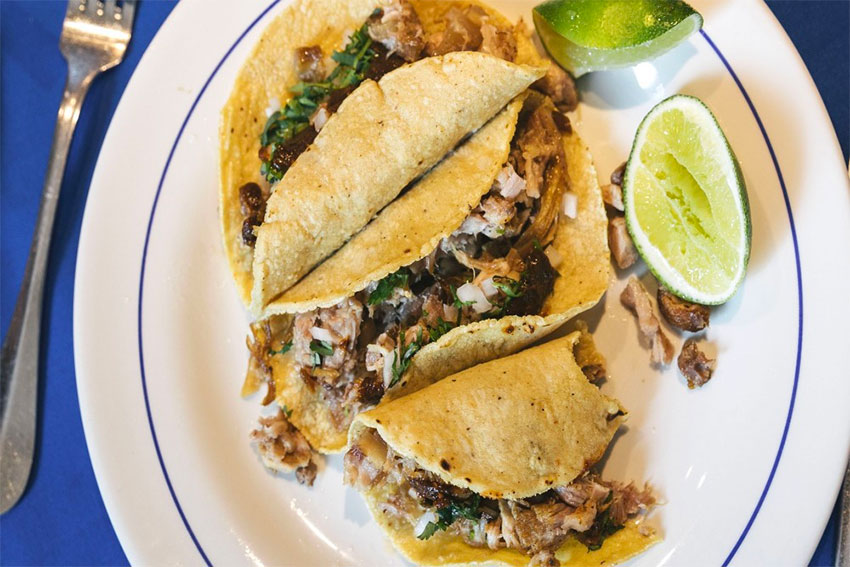
His actions backed up his words: Ramiro wasn’t wearing a face mask while serving his numerous customers, who made little effort to keep a safe distance from each other.
“People have to work and do their things,” he said.

The kiosk official told El Universal that she had observed that many people in Tlalpan behave as if the coronavirus pandemic didn’t exist. Some people have little confidence in Covid-19 tests and believe that they can stave off or treat the disease using traditional means, she added.
“The people here still have their customs; in the conversations we’ve had, … they tell us they look after themselves with teas and herbs from the countryside,” the health official said.
She added that people in Tlalpan as well as Xochimilco and Milpa Alta – three boroughs where many longstanding traditions remain strong – have a different “perception” of the coronavirus.
“They’re very reluctant [to follow the coronavirus mitigation advice], which increases infections and deaths. We’ve attempted to sanitize [public spaces] but they don’t allow it, they don’t maintain a healthy distance in stores and street stalls,” the official said.
Educating people about the risks of Covid-19 is a “titanic job,” she said.
In the borough of Coyoacán, where four hotspot neighborhoods are located, there are also many people who behave as if the coronavirus didn’t exist, El Universal said.
In the area around La Bola market, located in the hotspot neighborhood of Ajusco, many people were not wearing face masks or making an effort to distance themselves from others on Tuesday.
A woman seeking information in another health kiosk told El Universal that young people and old people alike refuse to wear face masks in Ajusco despite the high number of coronavirus cases there.
“[People] spit in the street, they cough [without covering their mouths], that’s why we’re in this situation. If someone says something to them, they get offended,” she said.
Mexico City has been Mexico’s coronavirus epicenter since the beginning of the pandemic, recording more confirmed cases and deaths than any of the nation’s 31 states and continuously leading the country for active cases.
The capital is currently under “orange light” high risk restrictions according to the federal government’s “stoplight” map, used to indicate the risk of coronavirus infections, but the 34 hotspot areas will face stricter rules at least until the end of July.
Source: El Universal (sp)