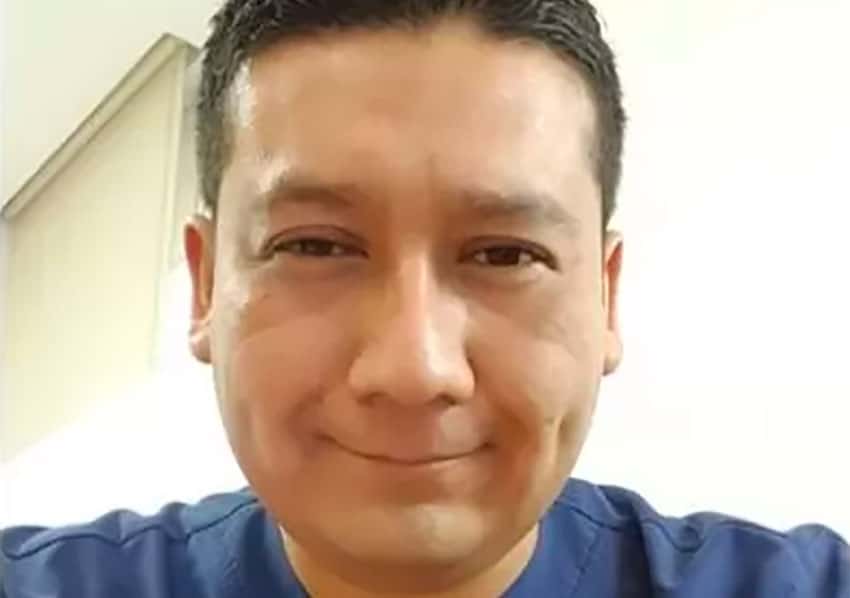
Emotions run high among medical staff who treat coronavirus patients, and their devotion to their profession often means being ostracized by society and isolation from family members in addition to the long hours spent on the front lines of the pandemic.
For Dr. Omar William González Hernández the worst part of the disease was the solitude and not being able to hug his children.
An internist who specializes in geriatrics, González works during the week at one government hospital and spends his weekends working at another.
Conditions at the hospitals are less than ideal, he reports, and the risk of infection was always troubling.
“The lack of personnel training, the lack of adequate equipment and the delay in implementing security protocols, as well as the greater number of infected colleagues and the greater number of patients treated, make it more feasible for me to have been infected there,” says González.
And his fears were realized. When he began to experience coronavirus symptoms, he had to take precautions to protect his family, such as not sleeping in the same room with his wife and sending his young children to stay with their grandparents.
After suffering from a fever and breathing problems, the doctor was diagnosed with the coronavirus and hospitalized at the same hospital where he works, which is likely where he was infected too.

“The moment they told me that I was going to be hospitalized I began to assimilate all those fears that my family shared with me, that it really could become something serious or that it could even cost me my life,” he says.
The most difficult thing for him during the six days of hospitalization and the three weeks of recovery was the isolation and loneliness that the disease imposes on patients who cannot have contact with their relatives.
However, González says his main goal was to get better and return to work and rejoin his family.
“Once the disease is over, one of the most emotional parts, I think, is when you regain your freedom to leave home, to go to work again,” González says. “But I think the most emotional part is being able to see my children.”
Despite becoming infected due to the lack of protective equipment in his workplace, González returned to the hospitals to continue to help the sick. “We have a duty and commitment to our profession, in addition to the need for staff because, due to fear, many do not want to participate.”
Source: El Financiero (sp)